Fijian conjoined twins arrive in Saudi Arabia for life-changing surgery assessment
Their birth was made even more extraordinary because they were born as part of a set of triplets.
Saturday 01 August 2026 | 14:30
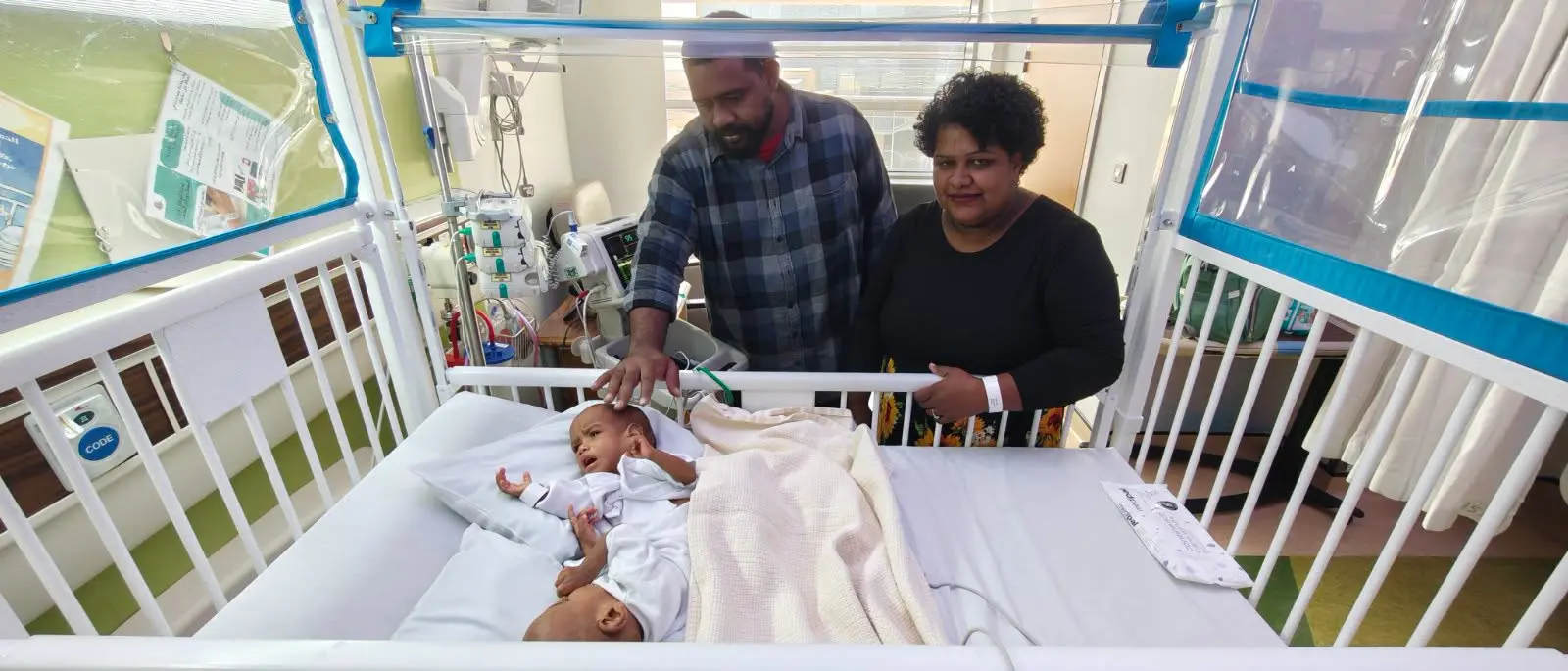
Following their birth, the twins' parents from Nausori and local medical teams sought specialist treatment overseas.
Ten-month-old Fijian conjoined twins Dicecea Masilina Kikau and Jesepeli Rosiledua Kikau have arrived in Saudi Arabia to undergo specialist medical assessments that could lead to life-changing separation surgery under the Kingdom's fully funded Saudi Conjoined Twins Programme.
The sisters, who were born on September 6, 2025, in Suva, will undergo comprehensive clinical evaluations by the specialised medical team of the Saudi Conjoined Twins Programme, led by renowned paediatric surgeon Dr Abdullah Al Rabeeah.
Born joined at the chest, abdomen and pelvis with four lower limbs (omphalo-ischiopagus tetrapus), the twins represent one of Fiji's rarest medical cases. They are one of only two publicly recorded conjoined twin cases in the country over the past 50 years.
Related stories
Their birth was made even more extraordinary because they were born as part of a set of triplets, a phenomenon described as exceptionally rare worldwide.
Following their birth, the twins' parents from Nausori and local medical teams sought specialist treatment overseas. However, medical estimates from programmes in the United States, the United Kingdom, Australia and Mexico exceeded US$1 million, placing treatment beyond the family's reach.
The family's hopes were revived after the twins were accepted into the Saudi Conjoined Twins Programme, which is fully funded by the Kingdom of Saudi Arabia under the directives of the Custodian of the Two Holy Mosques, King Salman, and His Royal Highness Prince Mohammed bin Salman.
The programme covers all medical, travel and logistical expenses for the twins and their family.
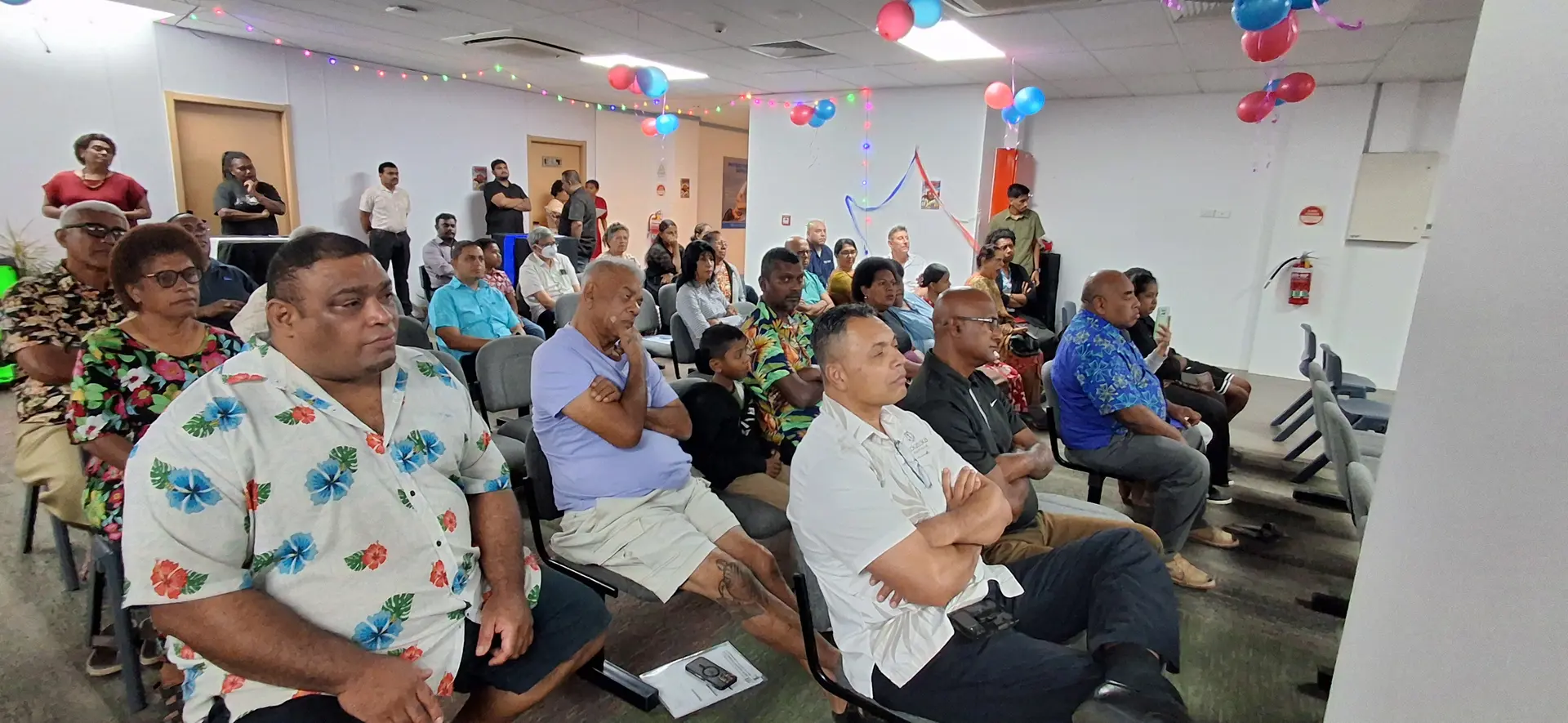
"When we were told that international hospitals required over a million dollars upfront, we felt overwhelmed," the twins' local medical team in Fiji said.
"The acceptance by the Saudi team was a major turning point. The parents were speechless and deeply emotional. This support has given two small Fijian lives a chance at an independent future."
Upon arrival at King Khalid International Airport in Riyadh, the twins were transferred to specialist medical facilities, where a multidisciplinary team began extensive anatomical and clinical assessments to determine whether separation surgery is possible.
Established in 1990, the Saudi Conjoined Twins Programme has evaluated more than 158 complex conjoined twin cases and successfully separated 72 sets of twins from more than 28 countries, making it one of the world's leading programmes for paediatric separation surgery.