Online learning an option as UniFiji braces for worsening El Niño
Professor Shameem said the university's disaster policy was initially developed during the COVID-19 pandemic and had since been updated to cover different types of national disasters.
Friday 27 November 2026 | 16:00

The University of Fiji is preparing to shift to online learning and operate with skeleton staff should worsening El Niño conditions disrupt normal campus operations.
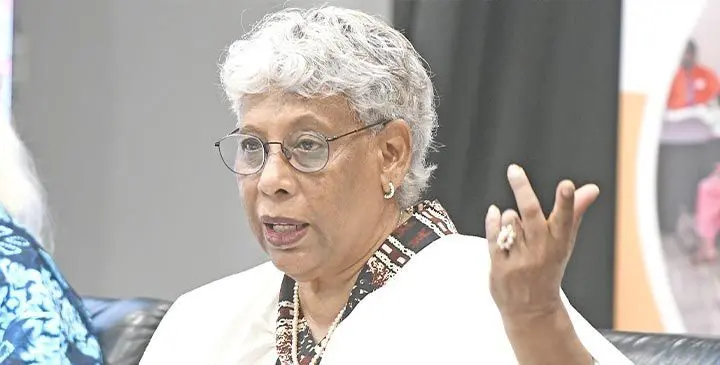
Vice-Chancellor Professor Shameem said the university was taking proactive measures to ensure teaching, research and administrative operations continued despite the national drought emergency.
The move follows a Ministry of Education circular announcing school closures under the National State of Disaster for El Niño 2026.
Related stories
While the circular applies to primary and secondary schools, Professor Shameem said the university was preparing for the possibility that similar advisories could be extended to tertiary institutions.
“We have a National Disaster Policy and Plan and will be able to put in place suitable arrangements for the university to continue functioning despite the declaration of the National State of Disaster for El Niño 2026 by the Prime Minister,” she said.
Online learning
Professor Shameem said the university’s disaster policy was initially developed during the COVID-19 pandemic and had since been updated to cover different types of national disasters.
The university’s TopHat platform would enable teaching and learning to continue virtually should students and staff be unable to access campuses.
Research and administrative operations would also be able to continue despite possible disruptions to physical access.
Skeleton staffing
Professor Shameem said the university’s Disaster Management Committee would meet this week to assess the implications of the Education Ministry’s circular for its daily operations.
While most students had already completed their examinations and were less likely to be directly affected, staff still had meetings to attend and end-of-year work to complete.
“Deans and Department Heads have been requested to consider alternatives should the university have to operate with only skeleton staff while the El Niño lasts,” she said.
Professor Shameem said she would continue working with the Ministry of Education to assess available options and ensure students could continue receiving education should El Niño conditions persist.