Food Establishments Under Spotlight
Aside from price and budget, a significant number of respondents said they factored in the menu, quality of food over quantity, and cleanliness of the restaurant in their decision-making.
Saturday 16 November 2024 | 15:21

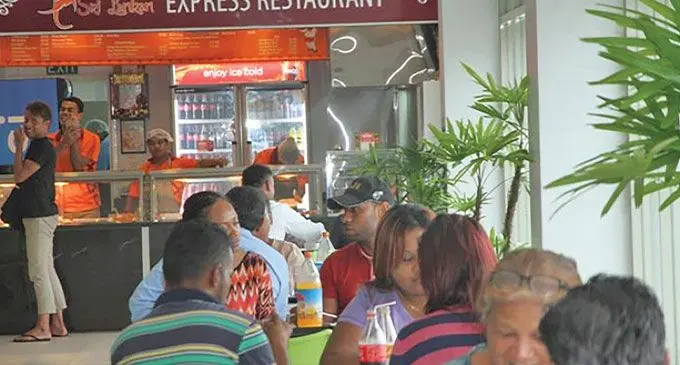
Food safety concerns and restaurant standards are among the many factors that influence consumers’ decision to buy from food establishments within the Suva to Nausori corridor.
We interviewed 20 people of diverse backgrounds across Suva and Nausori with the intent to understand their buying decisions at food establishments, including the factors that influence their choice of restaurant and the food they purchase.
The survey comprised nine questions that explored the type of restaurant options available in the two major areas, frequency of satisfaction, whether the respondents had ever had a poor experience and the importance of getting value for your money.
Related stories
The results of this small sample were insightful but not entirely surprising.
Almost everyone we spoke to said that getting their money’s worth was important, while others said in reality, they didn’t receive enough value for their money because of substandard food quality and food handling issues.
Aarti Mala, a library manager, told Shine a Light: “I hardly get my money’s worth. I work hard to earn my salary and expect to be provided with food services according to the Food Safety Act 2003.”
She further stated: “Daily items are getting expensive – consumers are not aware of the slight increase in prices that at the end of the day depletes the wallet and leaves behind a big dent.”
Despite inflationary pressures, many respondents ate out almost daily, usually for lunch.
It’s a trend strongly demonstrated among working professionals. But that doesn’t mean consumers are any less selective about where and what they eat.
Aside from price and budget, a significant number of respondents said they factored in the menu, quality of food over quantity, and cleanliness of the restaurant in their decision-making.
Akanisi Hali, a 24-year-old civil servant in Suva, said: “Quality matters, especially if we’re trying to stay healthy and we replace homemade meals with restaurant or store-bought food; it’s better to go for the quality.”
A civil servant in her forties, who chose to remain anonymous, explained that the hygiene or cleanliness of the restaurant where meals were prepared was important.
“Before I purchase a meal, I usually scan the area where meals are being prepared,” she said.
“I’ve even gone to a restaurant where I’ve seen a bit of the back where the food is cooked and left because it didn’t look clean.
“That’s why I usually don’t have bad experiences as a restaurant-goer because I pick the restaurants where I can see where the food is being cooked.”
FOOD SAFETY CONCERNS
For those who had an unfortunate dining experience, the negative experience made a lasting impression.
Multiple respondents said they had to return a fast-food order because restaurant staff were not wearing appropriate food safety gear while preparing food or the food served appeared to have been cooked in ‘old oil’.
Twenty per cent of respondents said they had returned meals they were dissatisfied with to either obtain a replacement or refund.
Only one said they would go so far as to lodge a formal complaint with the Consumer Council, calling it their ‘last resort’.
CONSUMER WATCHDOG
Consumer Council of Fiji chief executive officer Seema Shandil said the consumer watchdog regularly received food safety complaints against establishments in Suva.
In response to emailed questions, Ms Shandil said they registered 26 cases of a combined monetary value of $276.35 over the past six months.
“The nature of these complaints varies, but common issues include poor hygiene standards in food preparation and storage areas, along with substandard food quality—such as spoiled, stale, or undercooked food — which poses significant health risks,” she said.
“Improper food handling practices, including incorrect storage temperatures, lack of personal protective equipment (PPE) worn by staff, and potential contamination, further exacerbate these concerns.”
In 2023, the council received more than 341 food-related complaints valued at $22,177.98. A significant portion of complaints also focused on hygiene and food handling concerns.
Ms Shandil said they conducted regular inspections and partnered with other authorities, such as the Ministry of Health, the Fijian Competition and Consumer Commission, and health inspectors within municipal councils to ensure ‘food establishments adhere to health and safety regulations’.
When these establishments fall short of standards, the Council takes necessary action against them.
“This includes issuing warning letters and advising them about the corrective measures they can take. When we witness repeat offenders, the matters are flagged to enforcement bodies.”
Ms Shandil also noted that complaints were ‘thoroughly investigated’, and ‘businesses are held accountable’.
For the Consumer Council, their message is clear: consumer safety remains a top priority and they urge food establishments to adhere strictly to all food safety and hygiene regulations, as well as to treat their customers with integrity and transparency.
“It is in the best interest of both consumers and business owners to ensure that food safety standards are always met. We strongly encourage food providers to regularly review their practices, train staff, and prioritize consumer health,” Ms Shandil said.
PUBLIC HEALTH AND SAFETY
Questions sent to the Ministry of Health and Medical Services remain unaswered.
Fiji’s Ministry of Health and Medical Services play a key role in enforcing compliance with food safety standards and regulations. The ministry ensures food safety through the Food Safety Act 2003 and the Food Safety Regulations 2009, which include areas such as restaurant grading certification programmes for restaurant and food service providers; enforcement and surveillance with municipal councils, Consumer Council and Fiji Competition and Consumer Commission (FCCC); and prosecution of non-compliant food business operators.
The Ministry of Health prosecuted 11 food establishments so far this year for violating health and safety regulations, according to recent media reports.
One shop in Makoi was issued a closing order for non-compliance with food hygiene and storage practices back in March this year. Following routine checks by ministry health inspectors, code violations were discovered.
A number of restaurants in Labasa also closed earlier in the year for breaching food safety regulations and the Food Safety Act when it came to food preparation and food storage, around the same time there were food poisoning incidents.
Minister for Health Dr Atonio Lalabalavu and other health officials have in the past urged businesses to comply with the law and prioritise the safety and well-being of consumers.
At the recent Pacific Small Island Developing States forum in Nadi, the health minister further highlighted the importance of the Food Safety Regulations in protecting the rights and interests of consumers by promoting fair and just delivery of goods and services.
Feedback: jernese.macanawai@fijisun.com.fj