'Shine A Light': Meth Easy Money
The use of meth is no longer concentrated in the urban and sub-urban areas of Viti Levu. The outer islands, especially the Lau Groups, are confronted with the problem, a battle the Government says we are losing.
Tuesday 10 September 2024 | 12:27
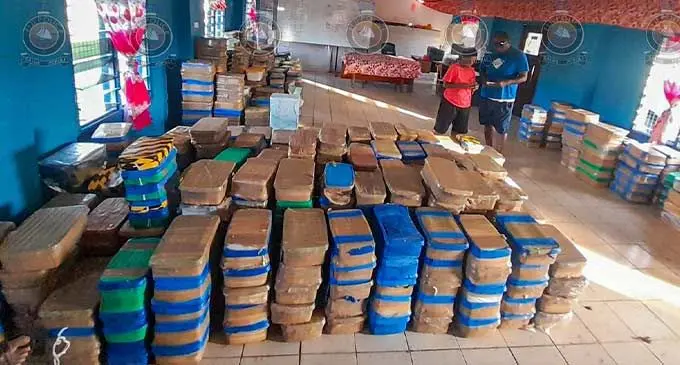
Containers of drugs were found from the seizure of three tonnes of illicit drugs believed to be methamphetamine in Nadi on January 14, 2024. Photos: Police Media Cell
Fijians in low-and middle-income families, are looking to illicit drugs, particularly methamphetamine, also known as 'ice', as a source of easy money - a growing trend that has the Fiji Police Force and advocates worried.
Shine a Light carried out a two months investigation into the illicit drug trade in Fiji, revealing some shocking results of how Fijians, the chunk of whom are young people, have invested their time and money in the local production, sale and use of methamphetamine.
Although no studies have been done on the dollar value of the ice market in Fiji, Police sources and drug users say the country's meth market value is in the billions. Earlier this year, two separate major drug raids in Nadi by Police resulted in the seizure of 4.15 tonnes of meth with a value of $2 billion.
Related stories
The last major drug bust was in June 2004, when $1 billion worth of ice and chemicals used to manufacture it were seized in a laboratory at the Laucala Beach industrial area in Suva.
Meth has long been a domesticated drug, until most recently with nation-wide awareness programmes and advocacy.
A meth user in his fifties, who preferred the name U.D, says in the 90s and 2000s, a tiny amount of meth bought off the street may have cost $250.
Today; sex workers often inject meth for as cheap as $5, cheaper than a roll of marijuana. In almost every street corner of Fiji's cities, towns and residential areas, meth is available - a common knowledge among neighbouring Fijians, but often quick to turn a blind eye because of fear and close relationships.
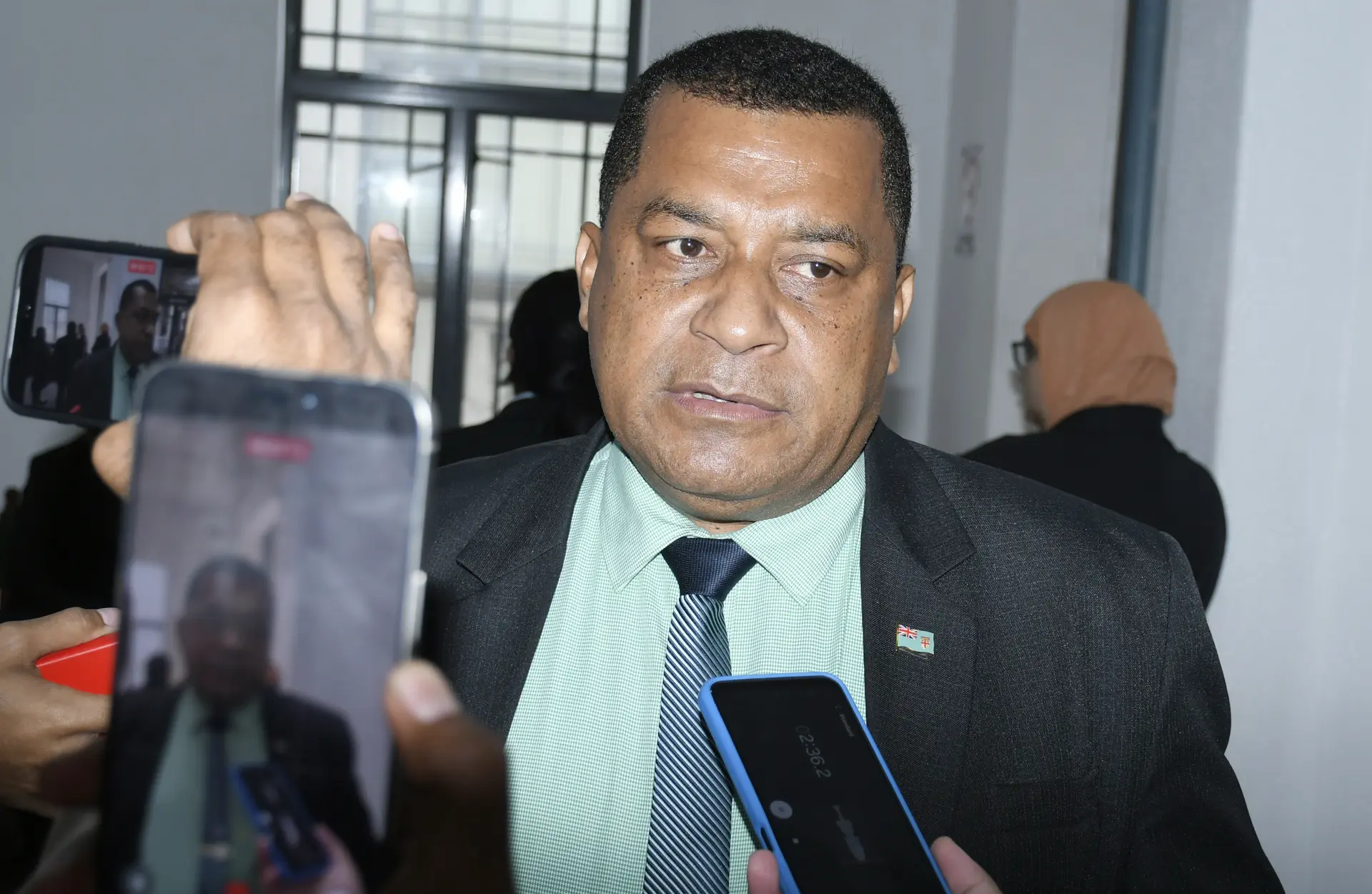
Assistant Commissioner of Police (ACP) Operations, Livai Driu said Police had seen more people being involved in 'white drugs', such as meth and cocaine. Since 2021, the number of illicit drug cases registered overall has risen substantially; with more meth cases registered within the first four months of 2024 than in the previous five years.
"It's quite a challenge for us," Mr Driu said in an interview last month.
The use of meth is no longer concentrated in the urban and sub-urban areas of Viti Levu. The outer islands, especially the Lau Groups, are confronted with the problem, a battle the Government says we are losing.
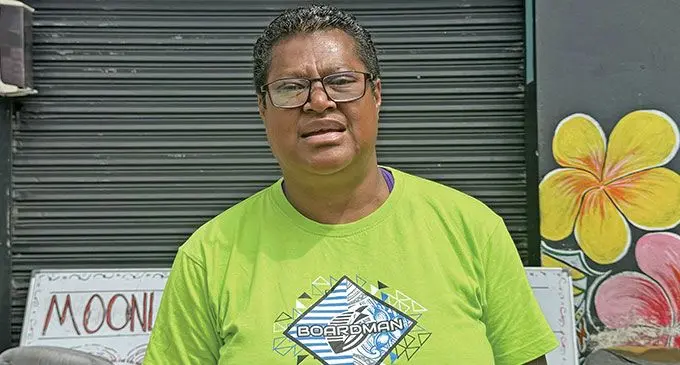
Drug awareness advocate Sesenieli Naitala, also known as Bui.
'WE HAVE A PROBLEM'
One local advocate is working to alter the country's troubling trajectory by spreading awareness about drugs and the impacts of substance abuse. Sesenieli Naitala, or Bui as she's commonly known, volunteers for Drug-Free World Fiji, a non-profit that is leading the grassroots movement to combat the drug abuse issue, especially among the youth.
Bui is also the founder of a sanctuary for sex workers and drug addicts in Suva known as the Survival Advocacy Network or SAN. Shine A Light joined Bui for an outreach session she led with patients at the St Giles Psychiatric Hospital last month.
A student nurse called it 'occupational therapy' for patients with cognitive and emotional issues as it helps them socialise and participate in everyday activities. In her line of work, Bui regularly talks to people dealing with addiction.
The programme at St Giles is an opportunity for her to hear how and why people do drugs and aid their journey to recovery. She told the story of a 17-year-old patient she met at St Giles who had a history of using meth. Bui said she was the youngest meth user she'd come across so far.
Like so many other cases, this patient used meth as a coping mechanism for difficult experiences in her life. Often, substance abuse drove addicts like her to put their safety and well-being at risk.
"One time she wanted to commit suicide, started stealing stuff from home to sell to buy drugs and coming back to do violence," Bui said.
"So, her family chased her from home."
Drug-Free World Fiji was initially approached to do outreach at St Giles before COVID-19. After the pandemic, the hospital requested that Bui and Drug-Free World Fiji resume the sessions held every Thursday.
This wasn't the norm before.
"When we started, no one wanted to listen to us," Bui said.
"The church, community, Government and other CSOs. Now people realise that we have a problem."
She said Fiji is facing a meth "crisis", especially given the surge of meth-related crimes from earlier this year. Bui believes her advocacy work is, however, making a difference. She said this, together with the Police-led drug raids and arrests, is driving the conversation on meth forward.
"People are getting involved -schools, youth, families, the whole nation. "People are talking about drugs wherever they go."
BY: JERNESE MACANAWAI
- This is the first part of a five part series on the increasing methamphetamine problem in Fiji. As we progress, we will determine whether this illicit drug is cooked locally and why it is prevalent in the outer islands. This project is supported by Transparent Pacific, lnternews.
Feedback: ivamere.nataro@fijisun.com.fj