Budget balances growth and fiscal discipline: PM
Mr Rabuka said the 2026-2027 National Budget was built on transparency, accountability and fiscal discipline.
Tuesday 14 July 2026 | 07:30

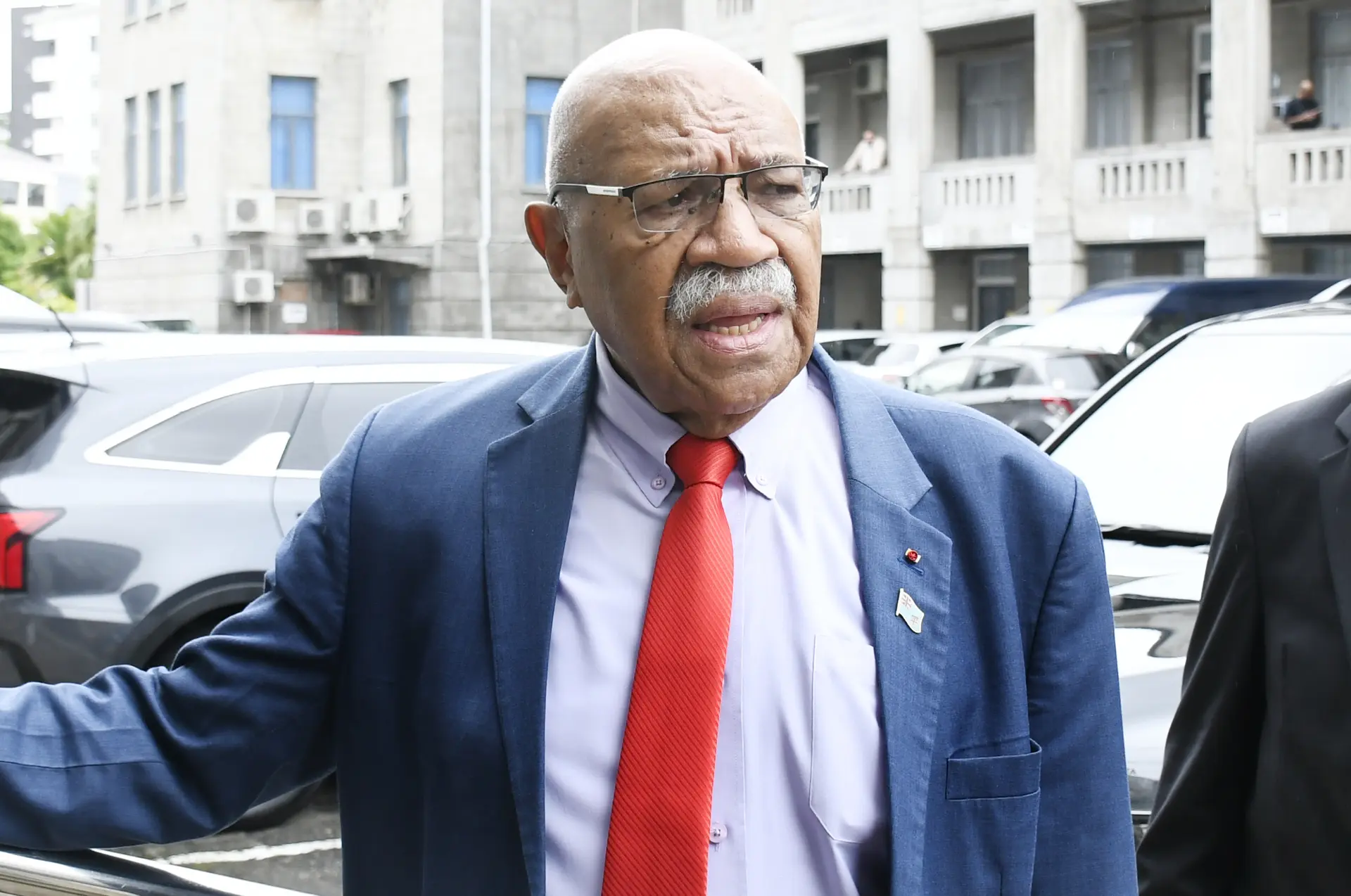
Prime Minister Sitiveni Rabuka says Fiji's 2026-2027 National Budget is designed to deliver long-term economic growth rather than relying solely on temporary cost-of-living relief, with the private sector expected to drive investment and job creation.
Speaking in Parliament, Mr Rabuka said the budget struck a balance between fiscal discipline and economic growth while creating an environment that encouraged private sector investment.
He said lasting prosperity must be driven by productivity and enabled by the private sector.
Related stories
This, he said, would be supported through sound policies, effective institutions and a stable investment environment backed by Government.
Mr Rabuka said the 2026-2027 National Budget was built on transparency, accountability and fiscal discipline, with Government remaining committed to maintaining responsible debt levels.
“Responsibility is about maintaining fiscal discipline while actively encouraging growth, investing where it matters most, protecting those most exposed and ensuring every dollar invested delivers maximum value for our people,” he said.
“The IMF (International Monetary Fund) has said that Fiji faced no immediate risk of debt distress provided economic growth and fiscal discipline were maintained.”
Mr Rabuka said the budget also contained measures to help ease the cost of living.
These include extending the fuel duty concession on diesel and heavy fuel oil until October 31. Diesel will receive a 20 cents-per-litre concession, while heavy fuel oil will receive a 12 cents-per-litre concession.
The budget also provides electricity subsidies, transport assistance, zero-rated VAT on essential items, free water concessions for eligible households and targeted utility assistance.
However, Mr Rabuka said temporary relief alone would not improve living standards.
“Relief alone is not a development strategy. Fiji must grow. Fiji must invest. Fiji must produce and create jobs,” he said.
He said Investment Fiji was currently facilitating 254 active projects worth $8.6 billion, which would help drive investment, employment and long-term economic growth.