Concerns over 'end times' arise at proposed National ID consultation
Church leaders and faith representatives raise concerns over personal choice and freedom, while Deputy Governor reassures the system is voluntary.
Tuesday 31 March 2026 | 13:00
Updated 31 March 2026 | 16:43 FJT

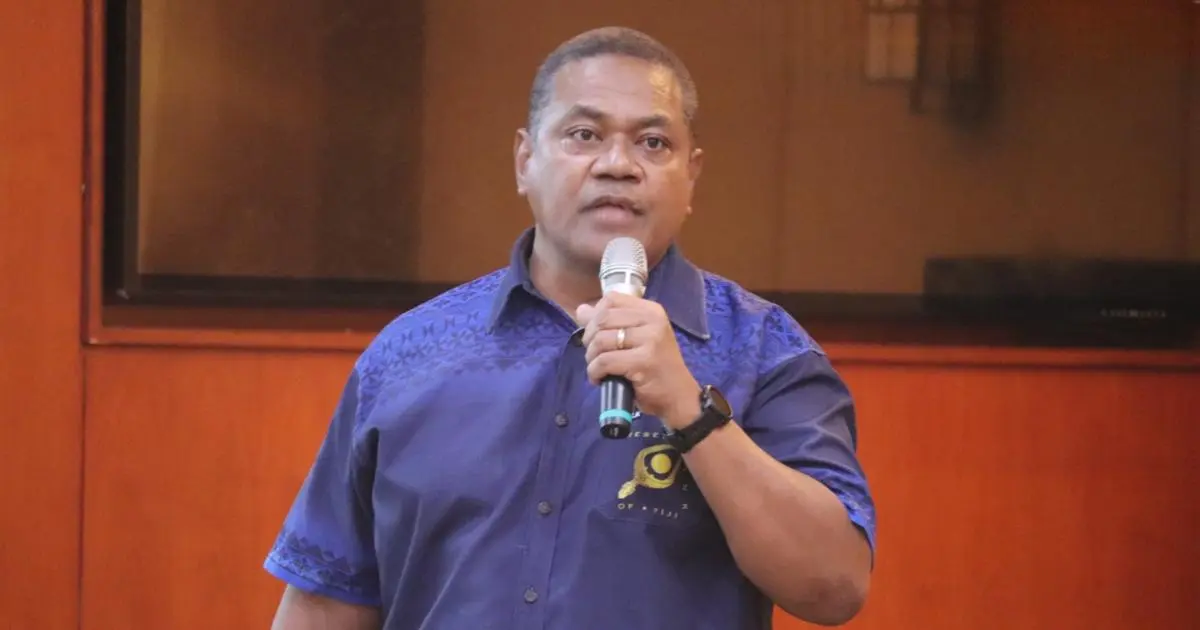
Fears that Fiji’s proposed National Digital ID (NDID) system could signal “end times” dominated discussions at a public consultation held at the Civic Centre in Suva, with church leaders and religious representatives voicing strong reservations.
During the session, several faith-based groups linked the proposed identification system to apocalyptic beliefs, referencing interpretations such as the “triple six (666)” and warning of a future where individuals could lose personal choice under a single, strict system of control.
The concerns highlighted deep unease among some religious communities, who fear the initiative could evolve into a mechanism that limits freedom and enforces uniformity in decision-making.
Related stories
Addressing the issue, Reserve Bank of Fiji (RBF) Deputy Governor Esala Masitabua acknowledged the religious interpretations surrounding the proposal but sought to reassure participants that such fears were based on misconceptions.
The proposed NDID system will be voluntary, with the RBF assuring that citizens will not be required to register or own digital devices to access the platform.
The system will use biometric verification, including fingerprints, facial recognition, and iris scans.
“The only reassurance I can give is that it’s voluntary,” Mr Masitabua said, noting that many questions raised during the consultation focused on whether citizens who opt out would face exclusion.
He stressed that the government does not intend to restrict access to essential activities.
“Is it going to exclude me from participating as a citizen of this country in buying and selling goods? We can definitely reassure that that’s not the policy intention,” he said.
Mr Masitabua added that stronger clarity would come once the draft legislation is released, allowing the public to examine whether adequate protections are in place.
“In time, when the draft act comes out, we will have the opportunity to look and see that it does give people the protection that they desire,” he said, adding that any future changes to the law would require a full legislative process.
The consultation is part of broader efforts to gather public input on the proposed NDID system, but for many in attendance, the debate has already taken on deeper spiritual significance.