Constitutional reform must be ‘By the People, For the People’ — President
Ratu Naiqama reminded lawyers of their duty to uphold ethical conduct and contribute meaningfully to legislative reform.
Friday 05 December 2025 | 14:30

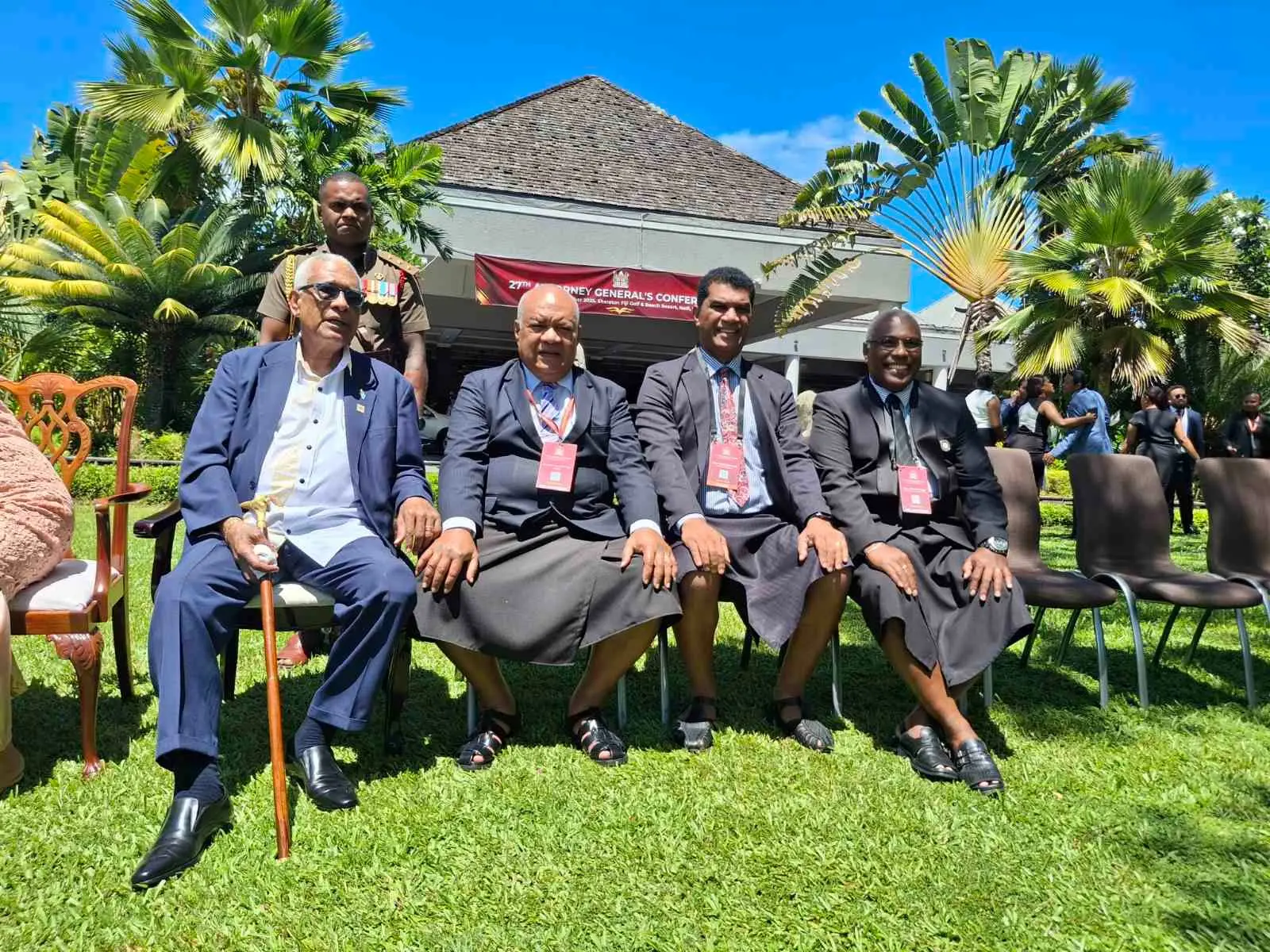
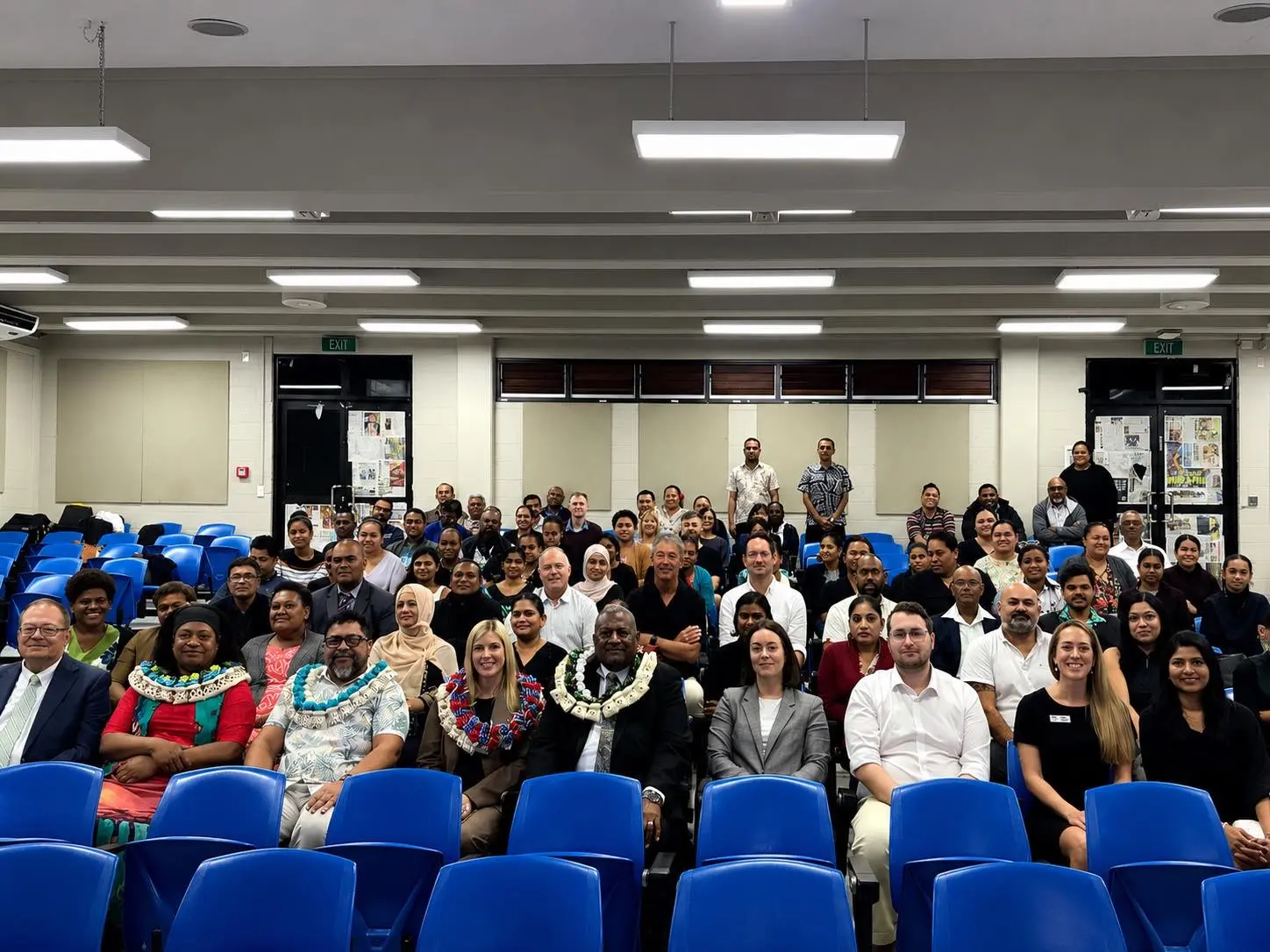
From left: President Ratu Naiqama Lalabalavu, Chief Justice Salesi Temo, Minister for Education Aseri Radrodro and Acting Attorney-General Siromi Turaga at thue Attorney-General's conference in Nadi on December 5, 2025.
Mereleki Nai
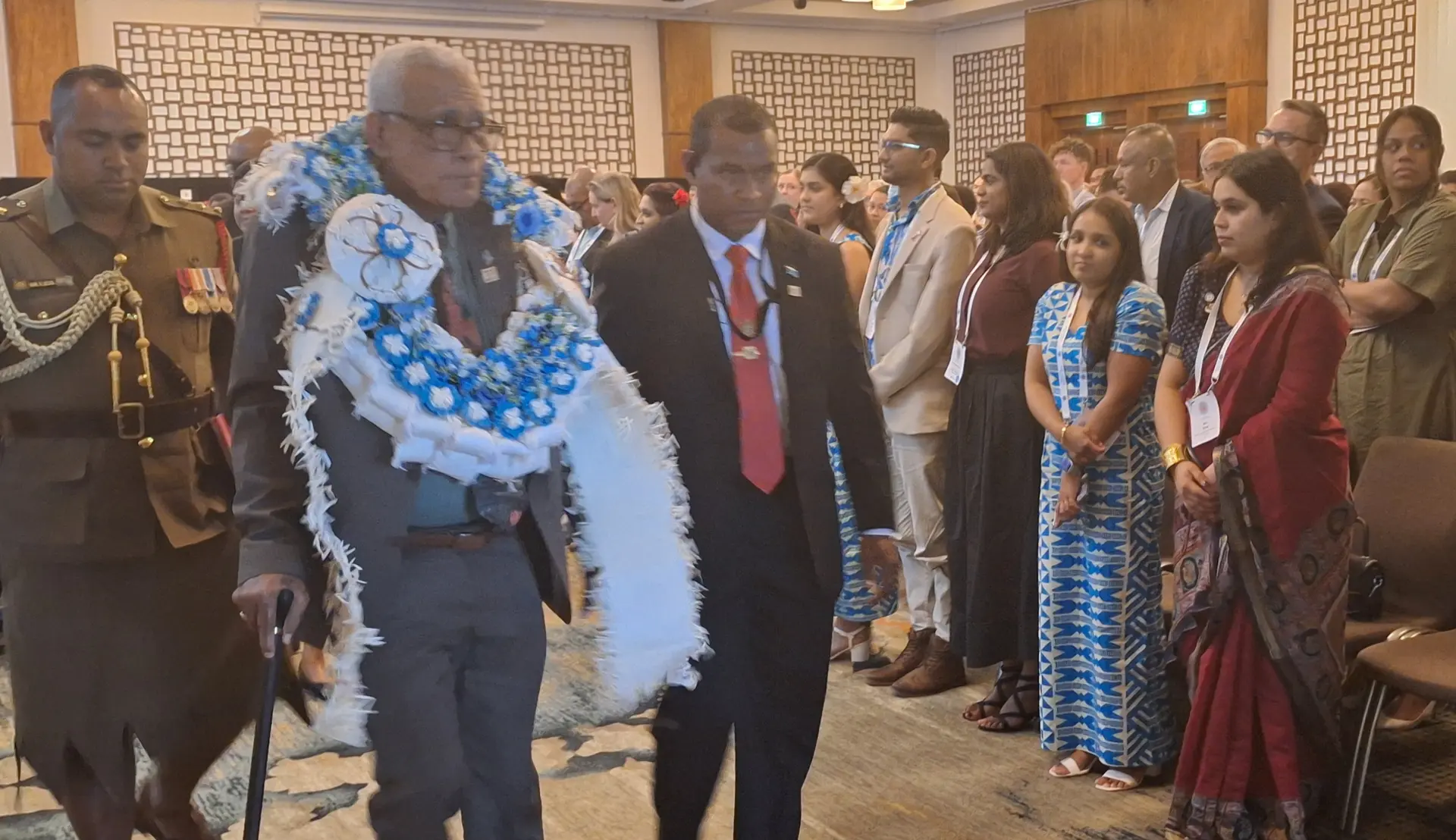
President Ratu Naiqama Lalabalavu has called for Fiji’s upcoming constitutional reform to be driven by open, nationwide consultation, saying the new framework must be by the people, for the people if it is to secure long-term stability.
Opening the 27th Attorney-General’s Conference at Denarau this morning, he said Fiji’s four constitutions over the past 38 years showed the country had yet to establish a foundation accepted by the majority of its citizens.
“We must get it right this time,” he said.
Related stories
“A Constitution must be made by the people and for the people. This recognition that sovereignty resides with the people requires open, inclusive and nationwide dialogue.”
Clearer Pathway for Reform
Ratu Naiqama noted that a recent Supreme Court advisory opinion had clarified the lawful process for amending the 2013 Constitution, giving Fiji 'a principled pathway' to consider reform within a transparent legal framework.
He said meaningful participation must begin at the earliest stages — from defining the terms of reference, appointing members of the Constitution Review Commission, preparing consultation documents, to allowing the public to view and comment on draft laws before they reach Parliament.
“Let us not have constitutional consultations merely to tick a box,” he said.
“The people should be heard at every stage.”
He added that all consultation documents, reports and draft Bills should be translated into Fiji’s main languages and circulated widely.
Role of the Great Council of Chiefs
The President urged the Attorney-General’s Office to work closely with the Bose Levu Vakaturaga, saying the principle of free, prior and informed consent under the United Nations Declaration on the Rights of Indigenous Peoples must guide reforms that affect indigenous communities.
With the Indigenous Rights Bill and the Referendum Bill currently before Parliament, he emphasised the need for active GCC involvement.
“Sovereignty is not absolute,” he said.
“We must have the free, prior, informed consent of the people to the most important foundational document for our nation.”
Strengthening Institutions and Healing Divides
Ratu Naiqama said constitutional reform must go hand-in-hand with rebuilding trust in institutions and addressing national wounds.
He commended the Truth and Reconciliation Commission and encouraged all Fijians to support its work.
“There is much pain in our nation,” he said.
“The Truth Commission offers us the opportunity to listen to each other and to rebuild our nation.”
Broader Legal Challenges
The President highlighted the conference agenda as “comprehensive and strategic”, covering electoral design, native land governance, child protection, transnational crime and cybersecurity.
He warned that transnational crime, particularly methamphetamine trafficking, was now a national emergency contributing to a rise in HIV cases. On native land law, he said reforms must protect customary ownership while enabling broad economic participation.
Call to the Legal Profession
Ratu Naiqama reminded lawyers of their duty to uphold ethical conduct and contribute meaningfully to legislative reform.
“Your discussions shape national policy,” he told participants.
“With great privilege comes responsibility to your community and the nation.”
He wished delegates well in their deliberations and declared the conference officially open.