Contraband smuggling major challenge at Naboro
Corrections officers say smuggling of drugs and illegal items remains a constant challenge, with canine units deployed to detect contraband entering the facility.
Monday 09 March 2026 | 12:00
Updated 09 March 2026 | 17:12 FJT

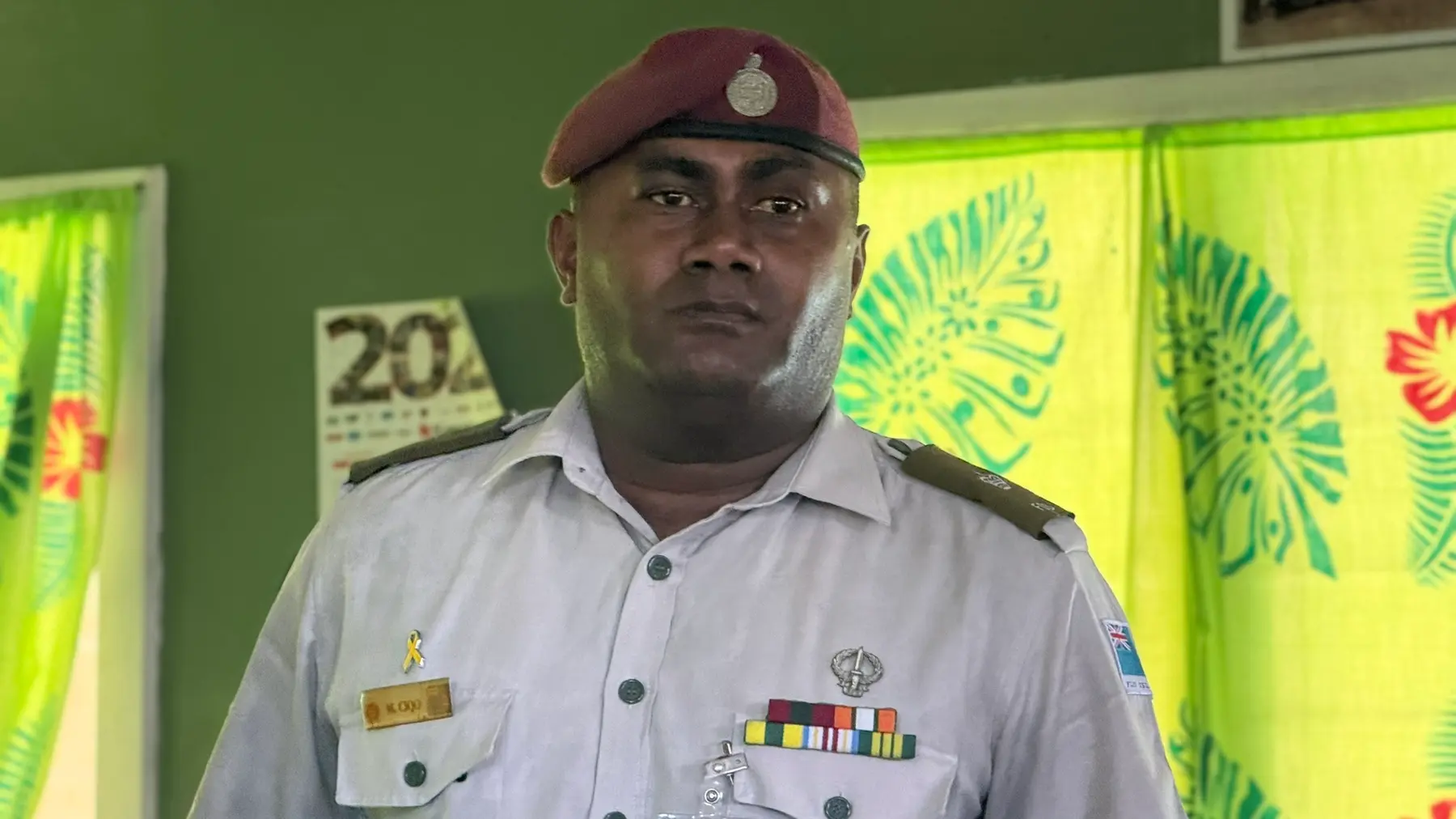
Fiji Corrections Service (FCS) Canine Unit officer Maika Vasuca briefing the media at the Naboro Corrections Centre on March 6, 2026.
Photo: Talei Roko
Smuggling contraband into the Naboro Corrections Centre is one of the biggest challenges facing the facility — and officers say every time one entry route is shut down, another opens up.
Contraband refers to illegal items — including drugs — that are smuggled into corrections facilities through visiting families, returning work gangs, and other routes.
Fiji Corrections Service (FCS) Canine Unit officer Maika Vasuca said the fight against contraband is ongoing and relentless.
Related stories
"When we stop one route, another one opens," he said. "That is one fight we are fighting right now — the infiltration of contraband into our various institutions."
To combat this, the FCS is working to expand its drug-detection canine capability.
Currently, drug-detection dogs operate across the facility, with handlers trained to screen inmates returning from outside work as well as visitors during visiting hours.
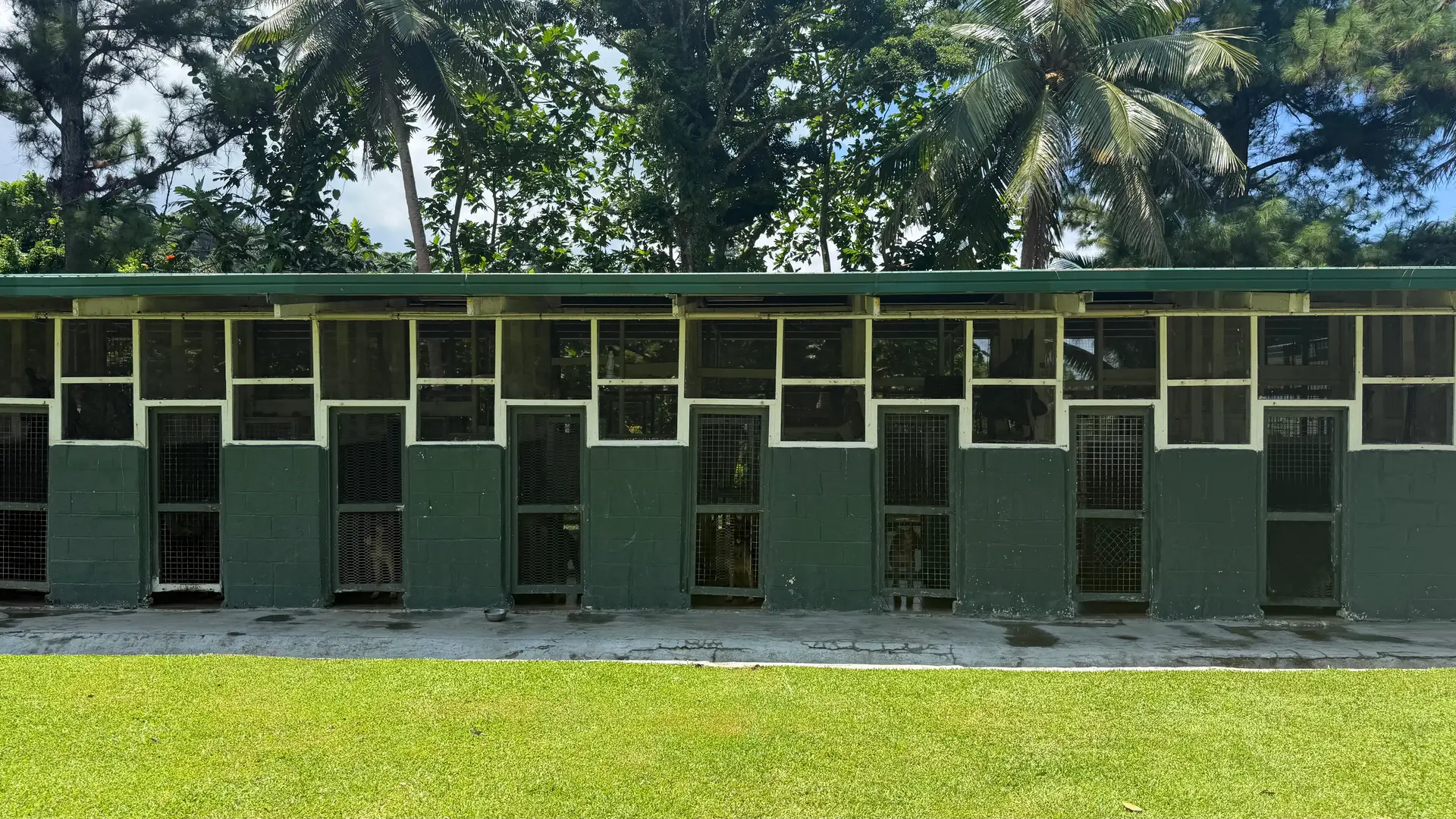
The Canine Unit trains dogs for two roles: Trackers and Sniffers.
Photo: Talei Roko
"When the outside gang comes back, they will sniff them before they go back into the institutions," Mr Vasuca said.
"When families come inside during visiting hours, we will conduct a sniffing operation before they go in."
The canine unit was established in 1973 and has since grown into two specialised fields — general purpose dogs trained in tracking, searching, and patrol, and Passive Drug Detection canines focused on identifying illegal substances.
The service operates four kennels nationwide, covering the Southern, Western, Northern, and Central Eastern divisions.
Mr Vasuca said handlers are expected to travel overseas for further drug-detection training within the next few months, with plans to eventually bring that training onshore.
"In the next five to ten years, we will do our training locally," he said.
Feedback: kaneta.naimatau@fijisun.com.fj








