Crackdown on littering as Central officers trained to issue fines
He said the Government was spending thousands of dollars each year cleaning up litter that could have been avoided.
Wednesday 28 January 2026 | 15:00

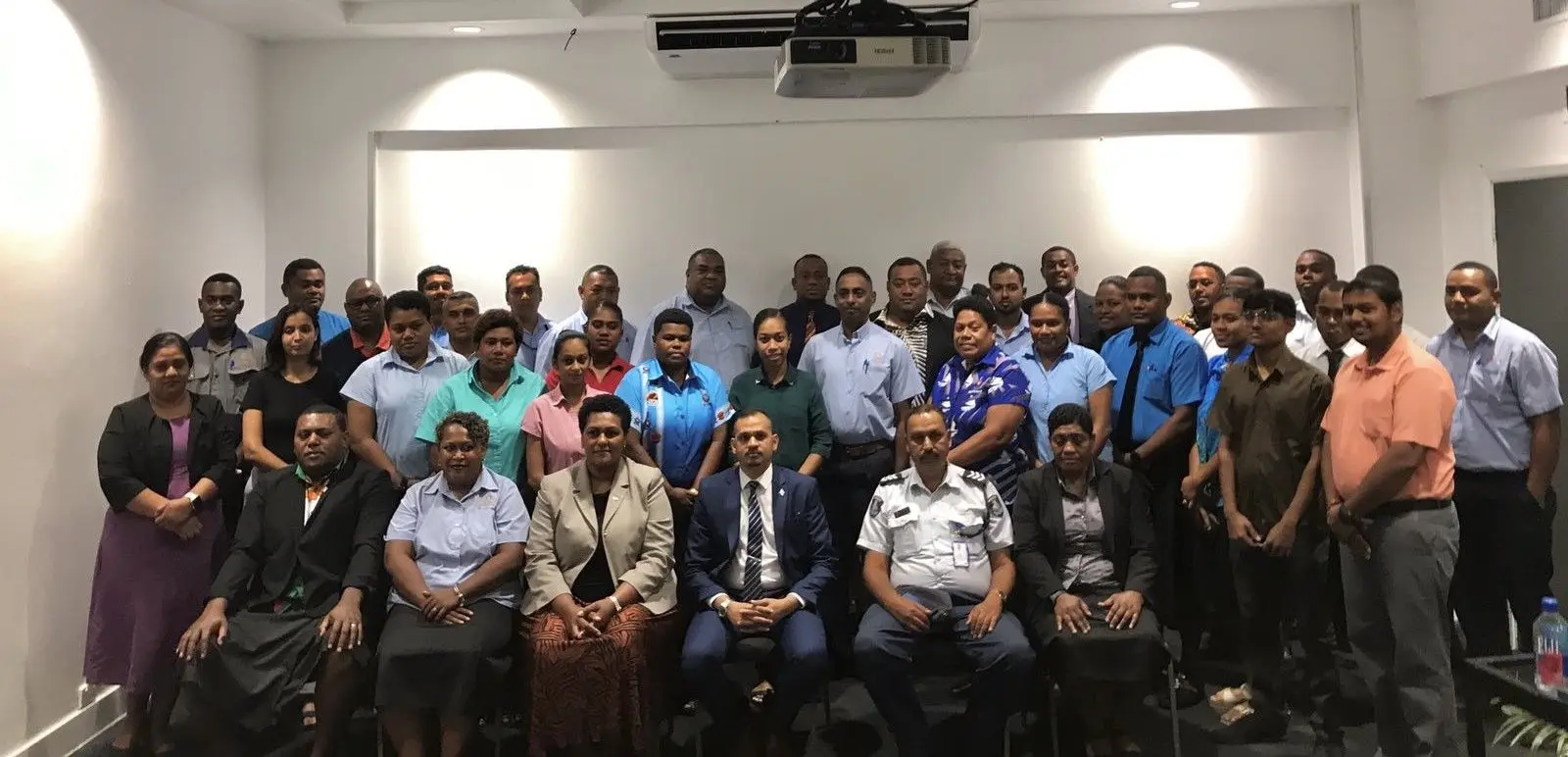
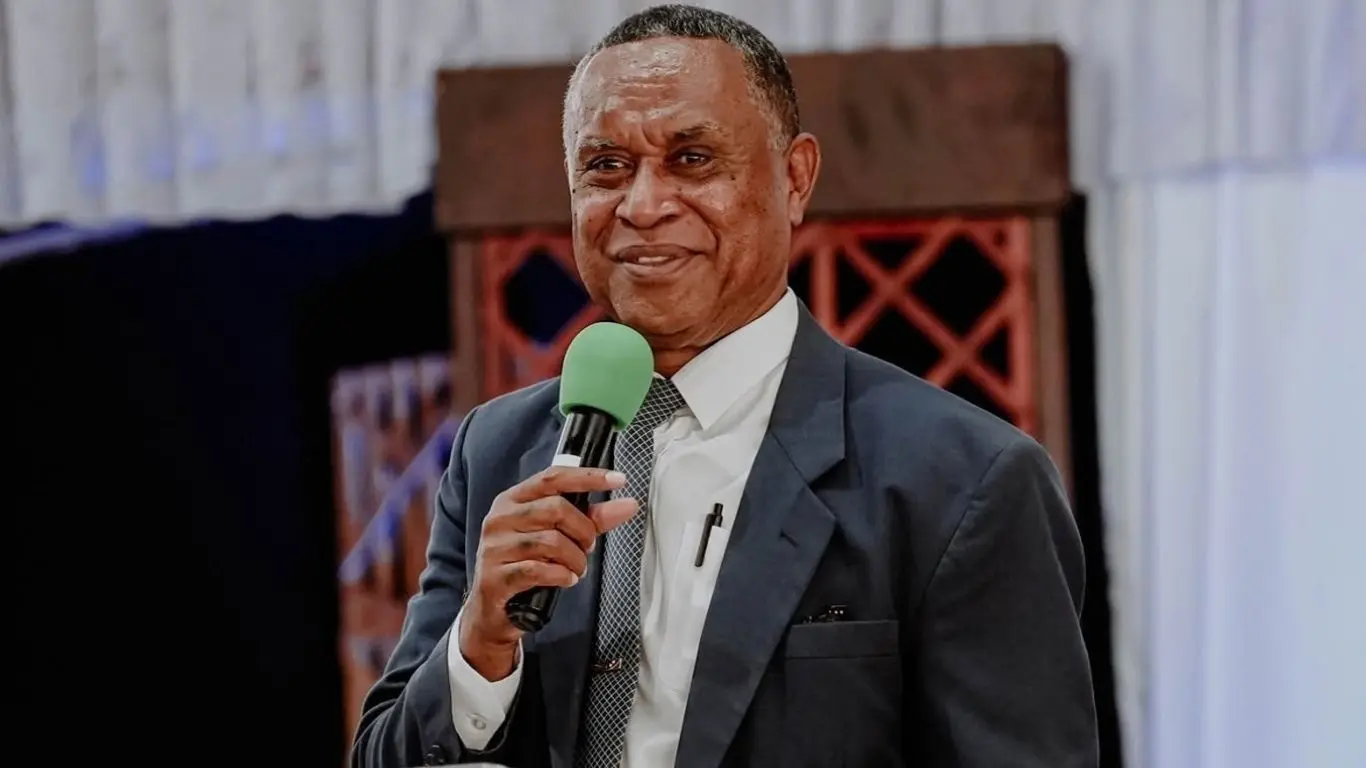
Dr Michael told officers they were no longer observers but frontline enforcers of the law.
Supplied
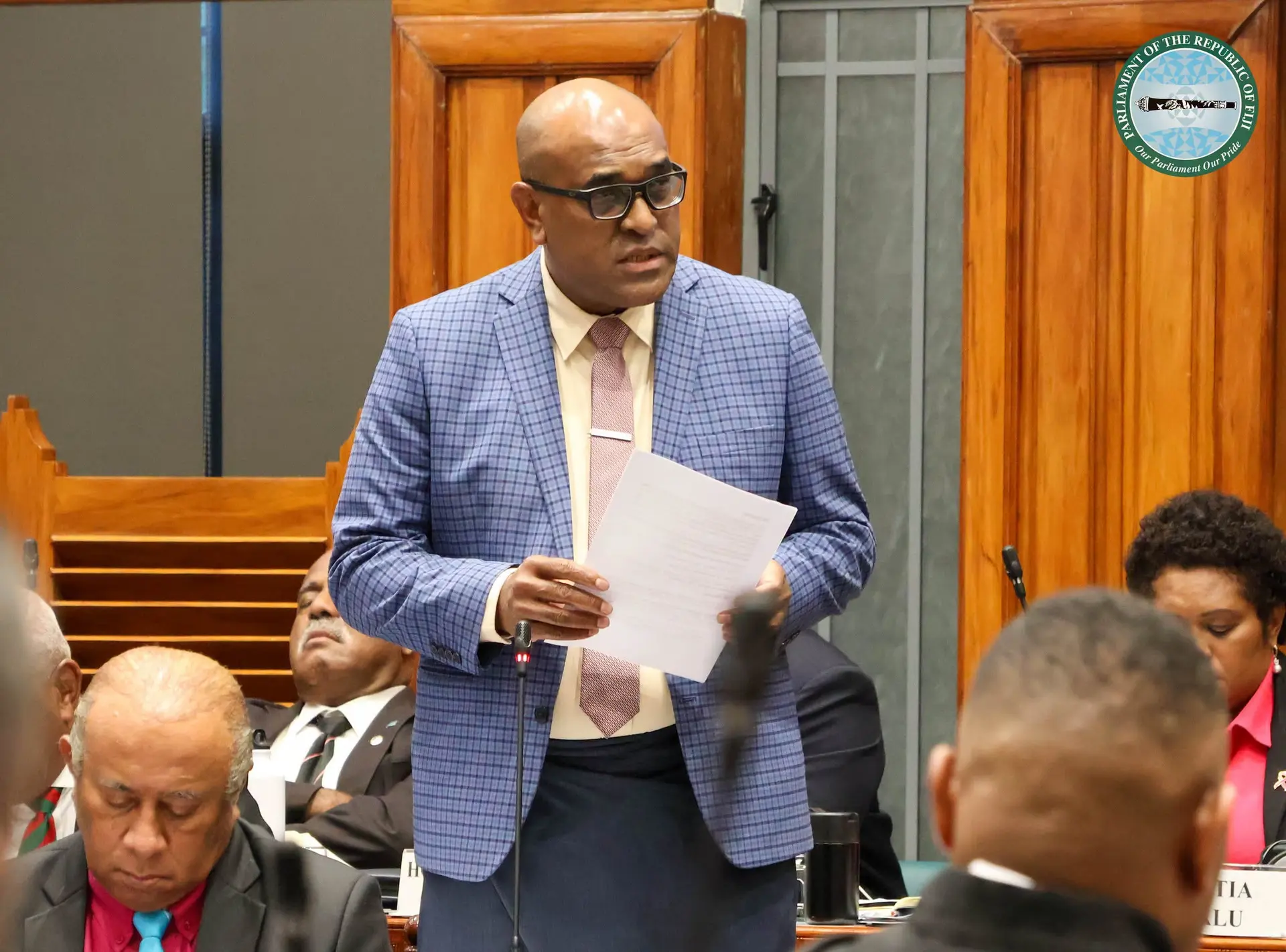
The Government has signalled a tougher stance on littering, training police and Land Transport Authority (LTA) officers in the Central Division to actively enforce the law and issue fines to offenders.
The training, held this morning at Tanoa Plaza Hotel in Suva, brought together officers from the Fiji Police Force and LTA, equipping them with the authority and confidence to act under the Litter Act 2008.
Permanent Secretary for Environment and Climate Change Dr Sivendra Michael said Fiji was facing a serious littering problem that required enforcement, not just awareness.
Related stories
“Littering is not just an eyesore. It blocks drains, worsens flooding, pollutes waterways and affects public health,” Dr Michael said.
He said the Government was spending thousands of dollars each year cleaning up litter that could have been avoided.
“This must stop. Awareness alone is not enough. Enforcement is the only way forward,” he said.
Dr Michael told officers they were no longer observers but frontline enforcers of the law.
“If you see littering, issue a fine. Do not walk past it. Do not hesitate. The law gives you this power — use it without fear,” he said.
The training forms part of a national enforcement programme, with similar sessions already completed in the Western Division. To date, 247 civil servants nationwide have been trained to enforce anti-litter laws.
Dr Michael also revealed that the Litter Act is under review, with proposed increases in fines to better reflect the environmental and economic damage caused by littering.
“People only change behaviour when there are real consequences,” he said.
Officers were also briefed on the upcoming Container Deposit Regulations, which will allow people to earn money by returning bottles and cans. Dr Michael said enforcement and incentives must work together to shift public behaviour.
Following the training, officers will patrol public areas including roads, markets, bus stands and other high-traffic locations, including after hours and on weekends.
Their role, Dr Michael said, was to restore accountability and community responsibility.
“Fiji is watching. Your communities are watching,” he told officers.
“Let us move from awareness to action, from campaigns to compliance. Together, we can build a cleaner, healthier and more disciplined Fiji.”