El Niño drought cuts Fiji’s 2027 growth forecast
Economic growth is projected to recover to 2.7 per cent in both 2028 and 2029 as temporary pressures ease.
Wednesday 25 November 2026 | 18:00

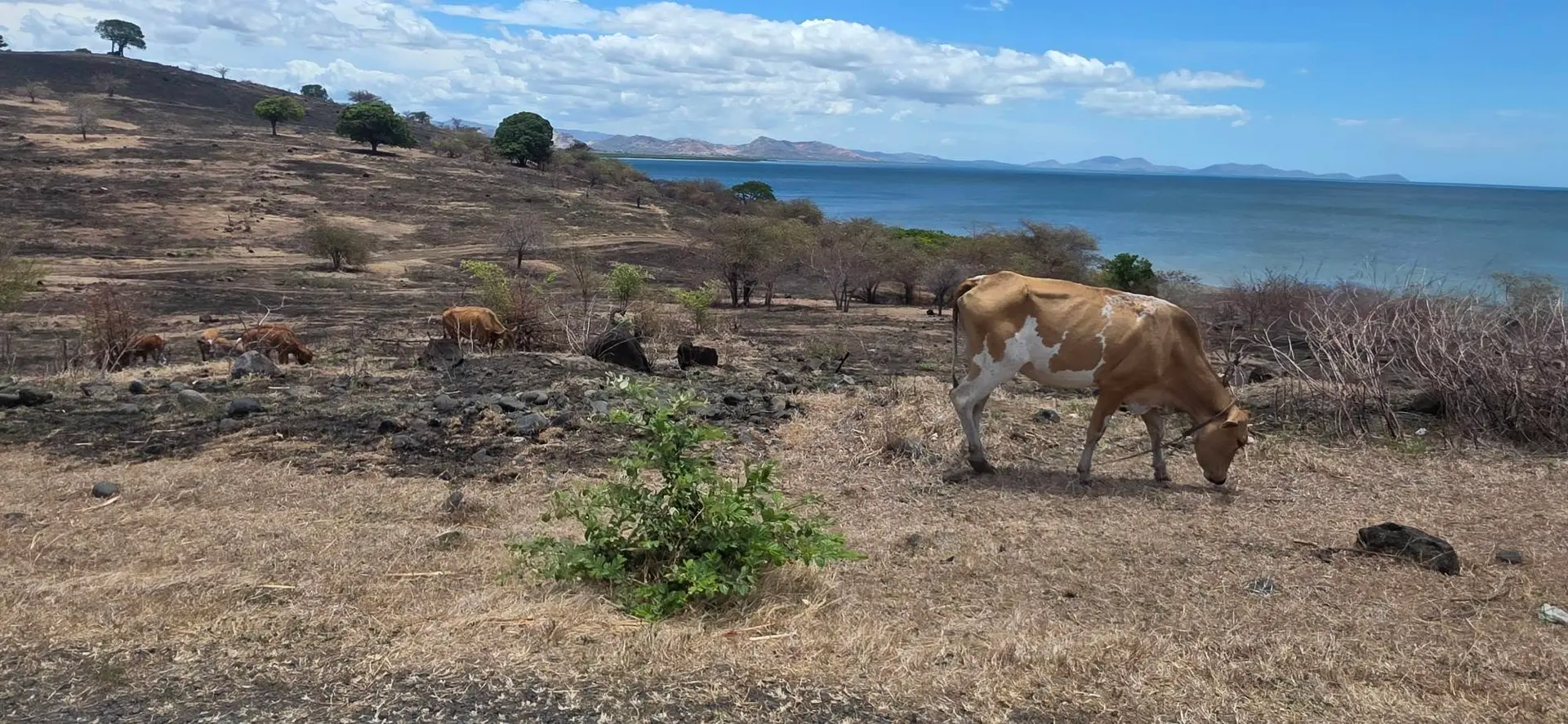
Declining water levels are also expected to reduce hydropower generation and constrain water production, further weighing on economic activity next year.
Photo: Sandeep Prakash
Fiji’s economic growth forecast for 2027 has been downgraded from 2.5 per cent to two per cent as worsening El Niño conditions threaten agricultural production, electricity generation and water supply.
The Macroeconomic Committee (MC) has warned that prolonged dry conditions could also drive food prices higher, adding further pressure on households already grappling with rising fuel and transportation costs.
Reserve Bank of Fiji (RBF) Governor and MC chairman Ariff Ali outlined the revised economic projections in a statement.
Related stories
“The downward revision largely reflects the impact of severe El Niño conditions, which are forecast to intensify into the first half of 2027.
“Agricultural output is projected to weaken as dry weather reduces soil moisture, lowers crop yields and adversely affects livestock production.”
Declining water levels are also expected to reduce hydropower generation and constrain water production, further weighing on economic activity next year.
Food prices under pressure
The committee warned that inflationary pressures were likely to persist in the near term because of domestic supply constraints and external cost pressures.
“In particular, El Niño-related dry conditions and the associated reduction in agricultural output will place further upward pressure on food prices.”
Fuel and food import costs also remain vulnerable to geopolitical tensions, supply-chain disruptions and weather-related shocks.
While inflation is expected to moderate gradually over the medium term, global commodity prices remain above pre-pandemic levels.
Challenges to economic growth
Economic growth is projected to recover to 2.7 per cent in both 2028 and 2029 as temporary pressures ease.
However, labour shortages, productivity constraints and infrastructure gaps remain barriers to stronger economic growth.
Challenges associated with the ease of doing business could also delay the implementation of some planned investments.
Mr Ali emphasised that Fiji’s long-term economic prospects would depend not only on investment and infrastructure but also on the health, skills and productivity of its workforce.
He highlighted the importance of addressing HIV, illicit drug use and crime because of their potential impact on labour productivity, social wellbeing and inclusive economic development.
The committee will review its macroeconomic projections in the second quarter of 2027.