Fiji, Pacific urged to act on rising workplace mental health risks
“Addressing issues before they escalate not only protects workers but also reduces long-term organisational costs.”
Monday 27 April 2026 | 06:00


Pacific countries, including Fiji, are being urged to act quickly on growing mental health risks in the workplace, as global safety standards shift to treat psychological wellbeing as a core issue.
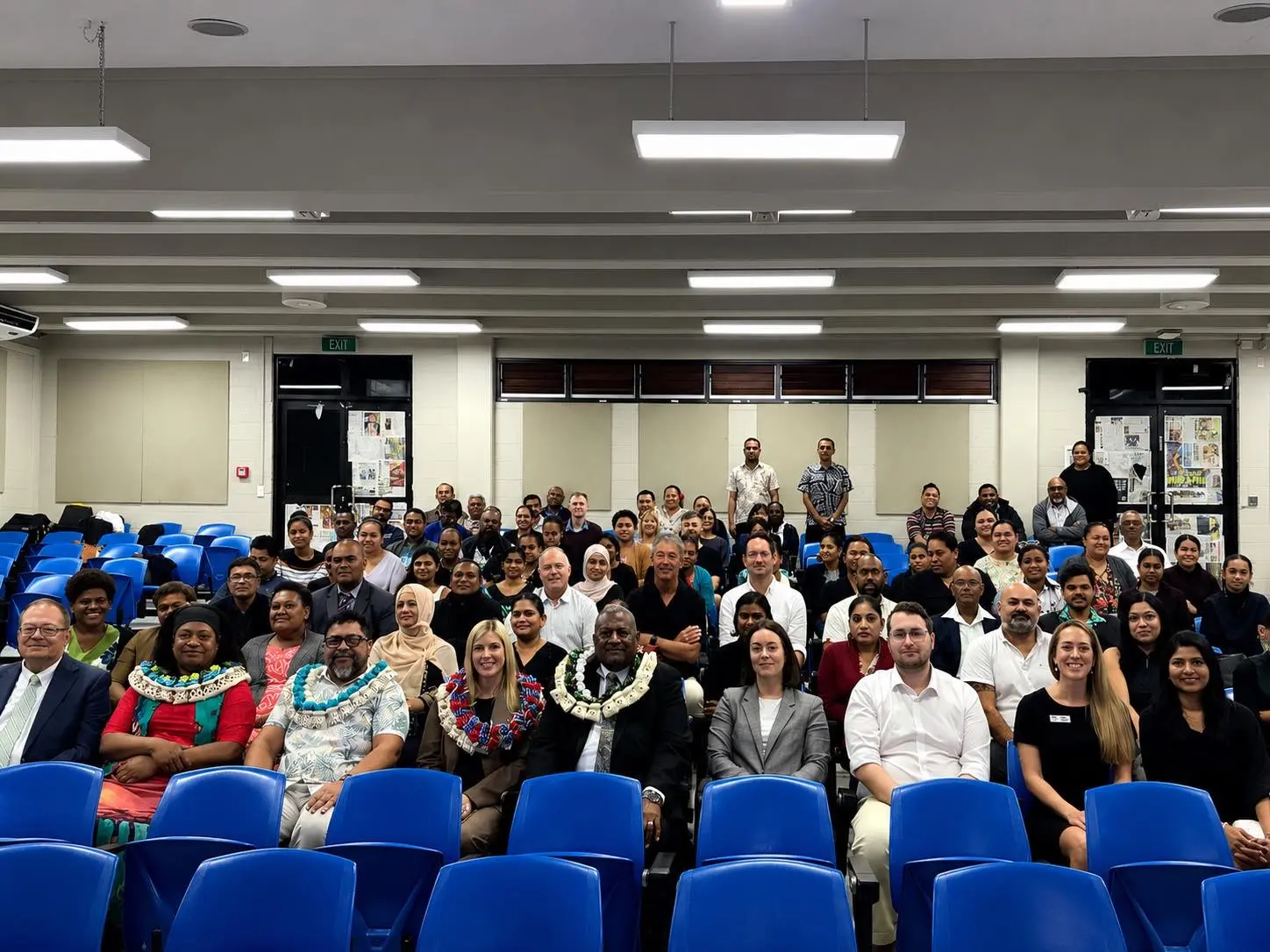
Speaking at the 2026 Fiji Occupational Health and Safety Conference in Nadi, Australian Institute of Health and Safety board chair Celia Antonovsky said workplaces could no longer treat mental health as a secondary concern.

Australian Institute of Health and Safety board chair Celia Antonovsky.
Photo: FNU
Related stories
“There has been a significant shift in how we understand workplace health and safety, and increasing attention is being directed towards psychosocial risks, those aspects of work design, organisation and management that have the potential to cause psychological harm,” she said.
“We are seeing strengthened regulatory frameworks that explicitly recognise psychosocial hazards, including work-related stress, bullying, harassment, fatigue and job insecurity.”
She warned that Fiji and the Pacific must keep pace as workplaces evolve.
“As economies grow and workplaces evolve, so too must our approaches to safeguarding workers.”
Ms Antonovsky said the impact of workplace mental health extended beyond the job, shaping families and communities.
“When workers are supported, families are strengthened, and when workplaces are safe, communities are more resilient,” she said.
She stressed that responsibility must start at the top.
“Creating psychologically safe workplaces is not the responsibility of individuals alone; it is a leadership imperative.
“Leaders set the tone, shape culture and influence whether employees feel respected, included and heard.
“Accountability must therefore sit at the highest level of organisations. Boards, executives and managers must move beyond passive awareness to active responsibility,” she said.
Ms Antonovsky called for structured approaches to managing psychosocial risks, including identifying hazards, assessing risks and putting controls in place within existing safety systems.
“Psychosocial risk management should not sit separately from existing health and safety systems; it must be embedded within them.”
She said early action was key to preventing bigger problems.
“Addressing issues before they escalate not only protects workers but also reduces long-term organisational costs.”
She also highlighted the importance of regional cooperation.
“Regional dialogues such as this are critical. They allow for the sharing of experiences, adaptation of best practices and development of solutions that are locally relevant,” she said.
She said at the centre of the issue were people.
“Behind every policy, framework and strategy are people. Individuals deserve to work in environments that support not only their productivity but also their dignity and wellbeing.”