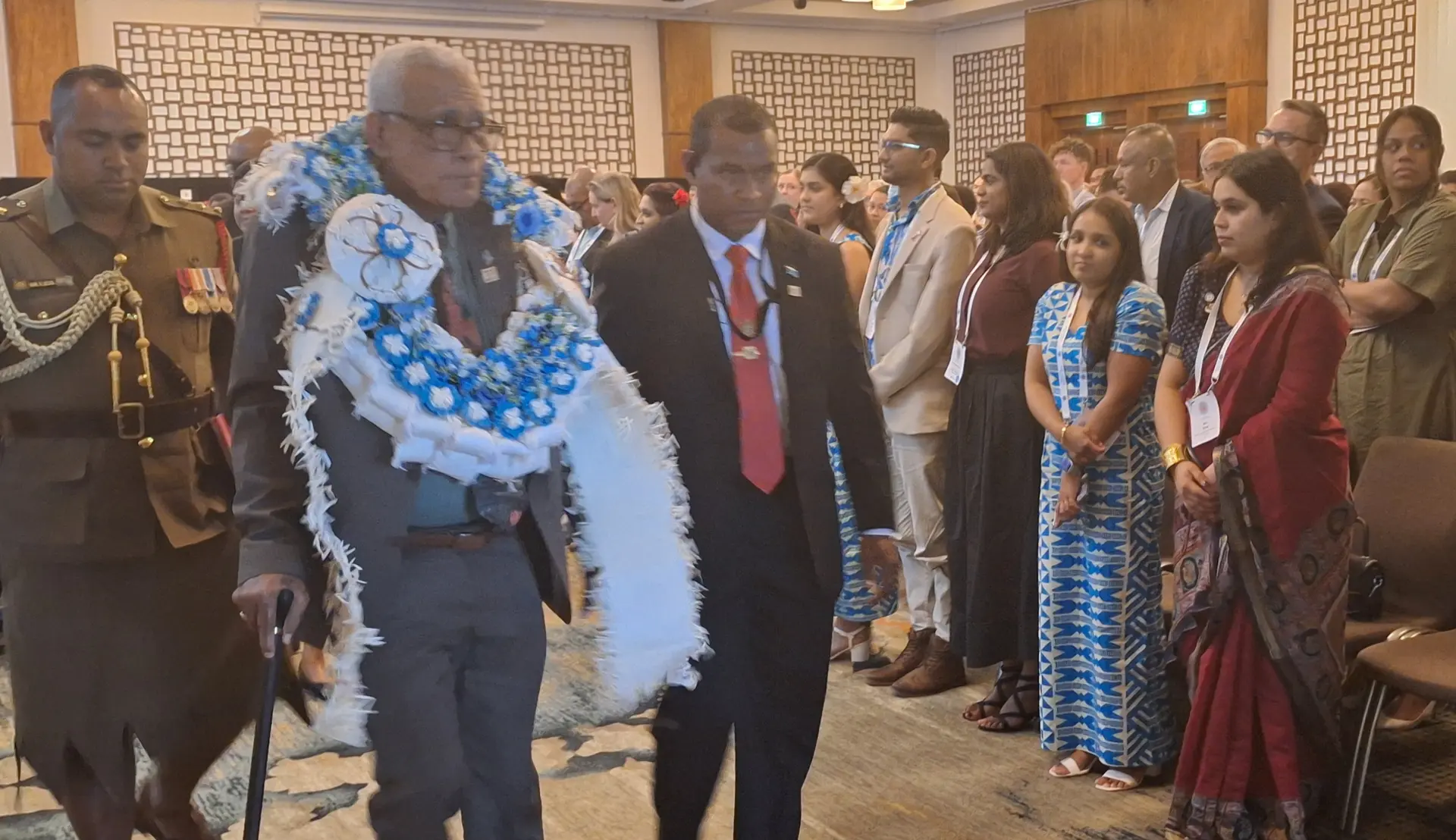
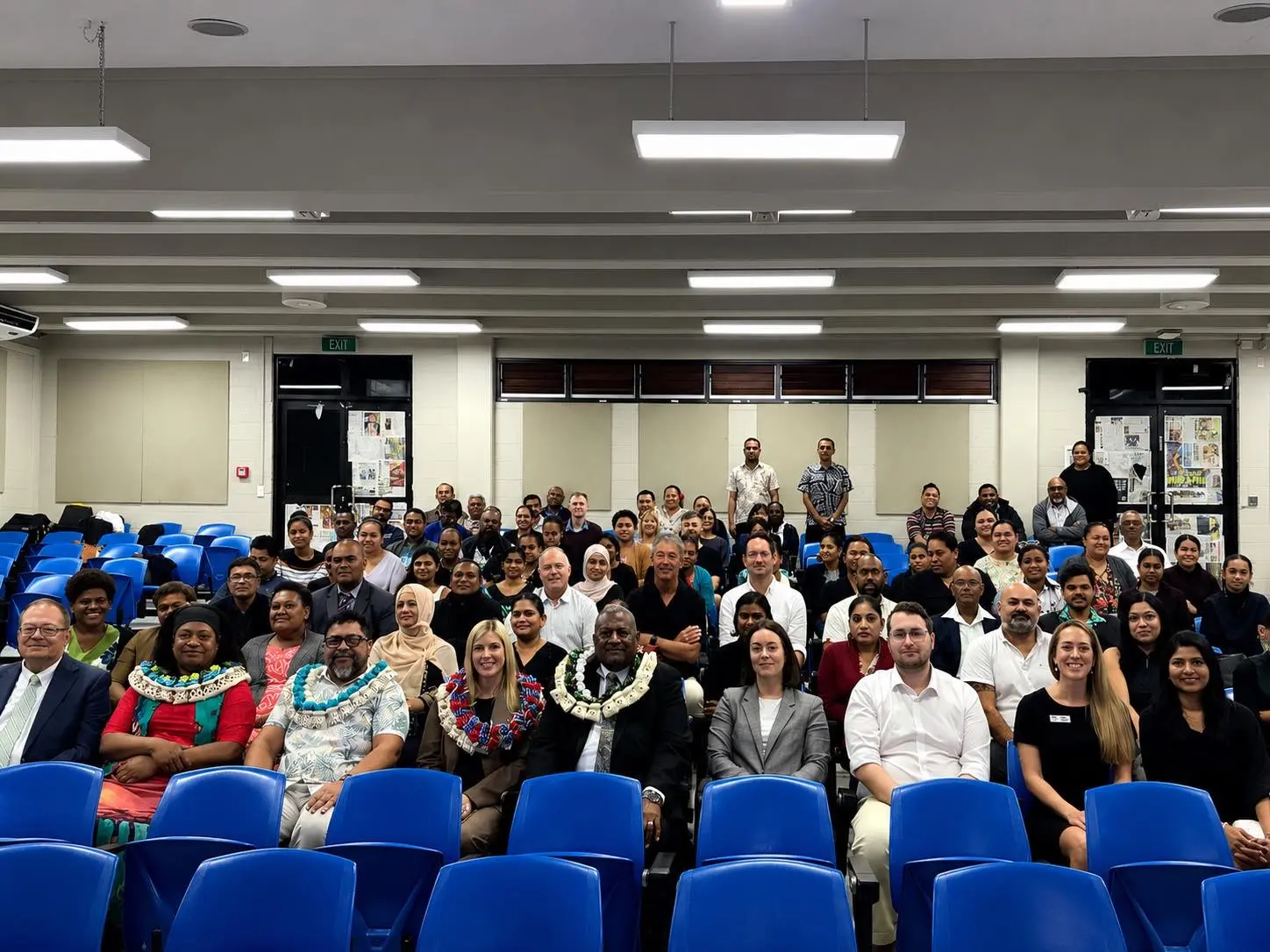
Nation remembers Girmitiyas and their enduring contribution to Fiji
Fiji observes Girmit Day today, honouring indentured labourers whose resilience and sacrifice helped shape the foundations of modern Fiji.
Thursday 14 May 2026 | 14:00
Updated 14 May 2026 | 16:47 FJT

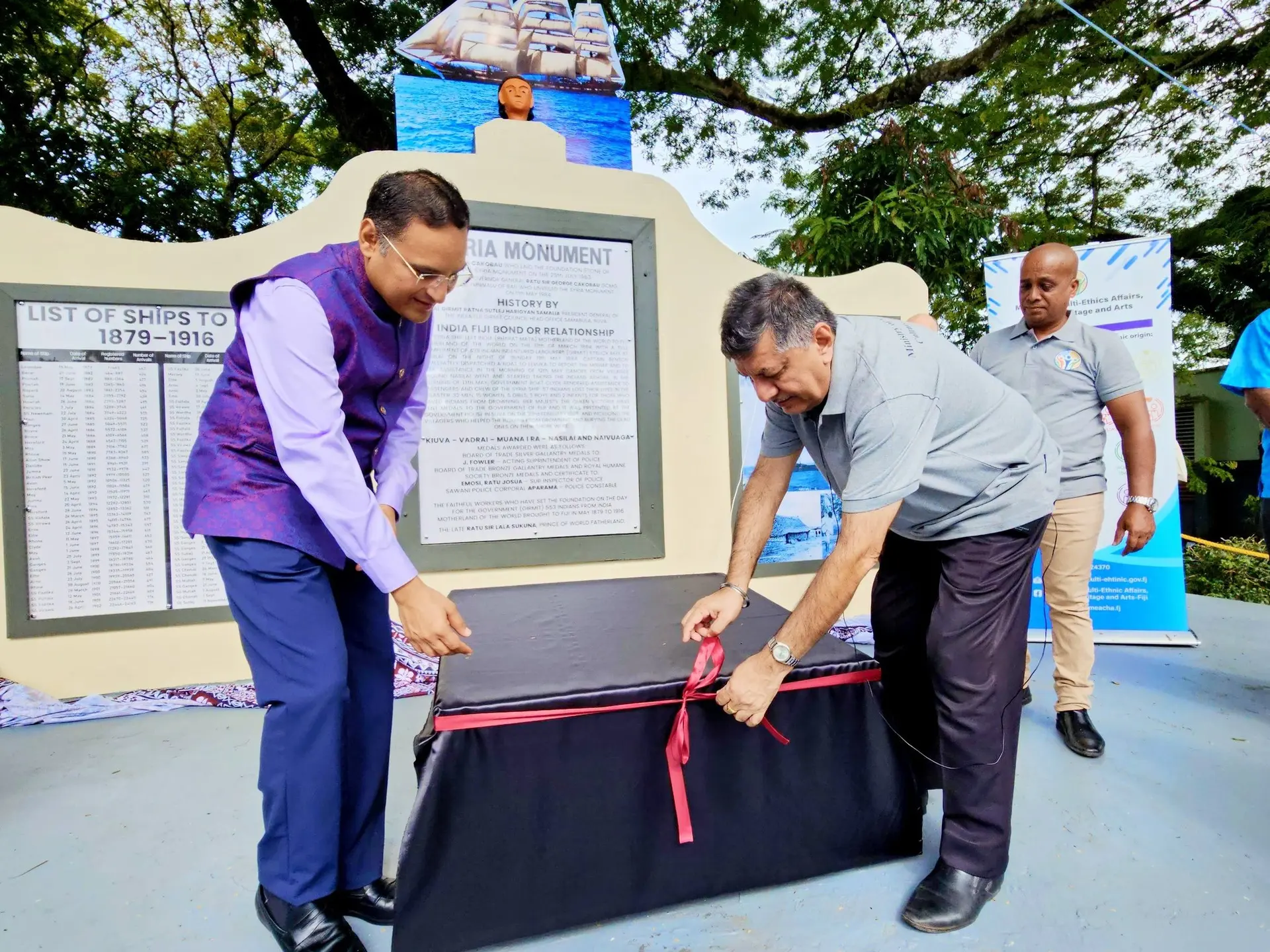
The refurbished Syria Monument at Syria Park in Nausori was unveiled today (14.05.26) as part of the 147th National Girmit Commemoration.
Photo: DEPTFO News
Fiji today observes Girmit Day as a national moment of remembrance and reflection, honouring the thousands of indentured labourers who arrived between 1879 and 1916 under the Girmit system, a period that reshaped the country’s social, cultural, and economic foundations.
The Girmitiyas, brought to Fiji under what was formally called an “agreement” but locally pronounced “girmit,” endured extreme hardship on colonial plantations.
Many were transported on ships such as the Leonidas, leaving their homelands in India with little certainty of survival, freedom, or return.
Related stories
Upon arrival, they were subjected to long hours of labour, isolation, and harsh living conditions that tested their physical endurance and emotional strength. Families were separated, cultural ties were strained, and an unfamiliar colonial system defined their daily existence.
Despite this, the Girmitiyas survived — and in doing so, laid the groundwork for modern Fiji.
Their labour powered the early sugar industry and agricultural economy, while their descendants went on to contribute across every sector of national life, including education, medicine, law, business, public service, and leadership.
Fiji’s development story is deeply intertwined with the resilience of these early labourers and their families.
Today, the legacy of Girmit descendants is visible in many prominent Fijians across various fields, including political leaders, professionals, and international figures such as Mahendra Chaudhry, Professor Biman Prasad, Sashi Kiran, Justice Devendra Pathik, Sashi Mahendra Singh, and global sports icon Vijay Singh.
However, Girmit Day is not solely about individual achievement. It is a national acknowledgement of collective suffering and the values forged through that experience — perseverance, discipline, faith, education, and strong family bonds.
Historians and leaders often describe the Girmit story as a shared chapter of Fiji’s national identity, sitting alongside the histories and contributions of iTaukei communities and other ethnic groups. Together, these histories form the foundation of Fiji’s multicultural society.
As the country faces ongoing social, economic, and political challenges, the Girmit legacy is increasingly viewed as a lesson in resilience and unity.
The Girmitiyas transformed adversity into opportunity, building pathways for future generations through determination and hope.
Yet there are growing calls for younger Fijians to be better educated about the realities behind Girmit — not just the commemorations, but the suffering, sacrifice, and strength that defined the experience.
Girmit Day therefore stands as more than remembrance. It is a national reminder of how endurance and dignity helped shape Fiji, and how those same values remain vital for the nation’s future.