Fijian lawyer’s film challenges Australia’s child detention laws
Sabrina Khan’s Unaccompanied Minor highlights human cost of mandatory detention under Migration Act.
Tuesday 30 December 2025 | 14:30
Updated 30 December 2025 | 17:47 FJT


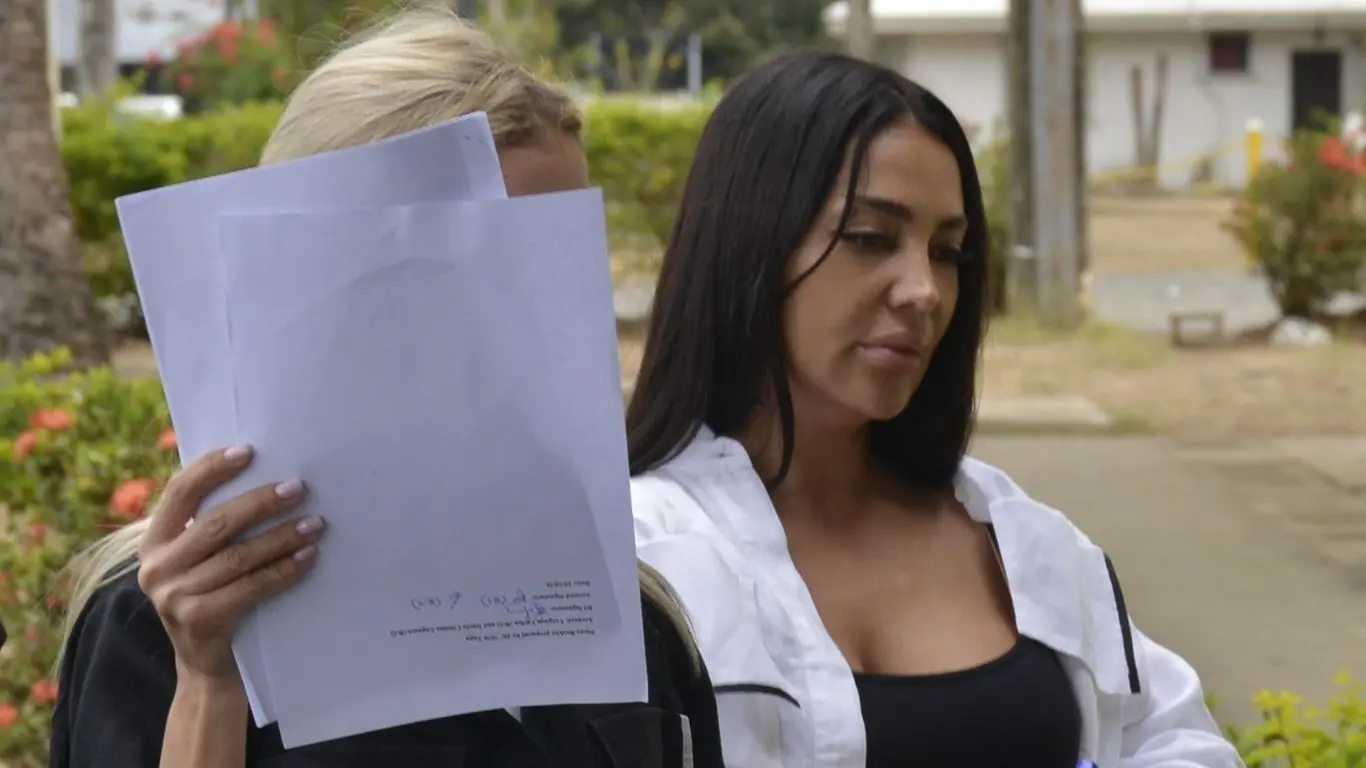
Still shot from the film featuring Sabrina Khan speaking for voiceless detained children in Australia.
Photo: Supplied
Fiji human rights consultant Sabrina Khan of Lautoka’s Iqbal Khan and Associates is set to release a short film next year challenging Australia’s mandatory detention of children under the Migration Act 1958.
Titled Unaccompanied Minor, the film confronts Section 196 and related provisions of the Act, which allow for the mandatory detention of children who arrive in Australia without parents or guardians.
“These unaccompanied minors, often fleeing conflict or persecution, are held within a legal framework that has drawn increasing concern from human rights advocates,” Ms Khan, an international human rights lawyer, said.
Related stories
Inspired by Proverbs 31:8, “Speak up for those who cannot speak for themselves,” Ms Khan positions the film as an act of advocacy.
“Unaccompanied Minor speaks on behalf of children who are detained, displaced, and largely absent from public discourse,” she said.
“Rather than relying on abstract legal argument, the film centres on dignity, vulnerability and the human cost of silence.”
Written, produced, and directed by Ms Khan, the film forms part of Dignity Diaries, a series of short films focused on social justice and systemic accountability.
Prominent Persian documentary filmmaker Ali Baniasadi served as assistant director and co-producer.
Cinematography was led by Osman Nazim Malgir, whose visual language adds emotional depth to the narrative.
Ms Khan also undertook production design, with art direction by Nadiya Khan.
Supported by Griffith University’s Law School, Unaccompanied Minor bridges law and art, reminding audiences that behind every statute is a child waiting to be seen, heard, and protected.