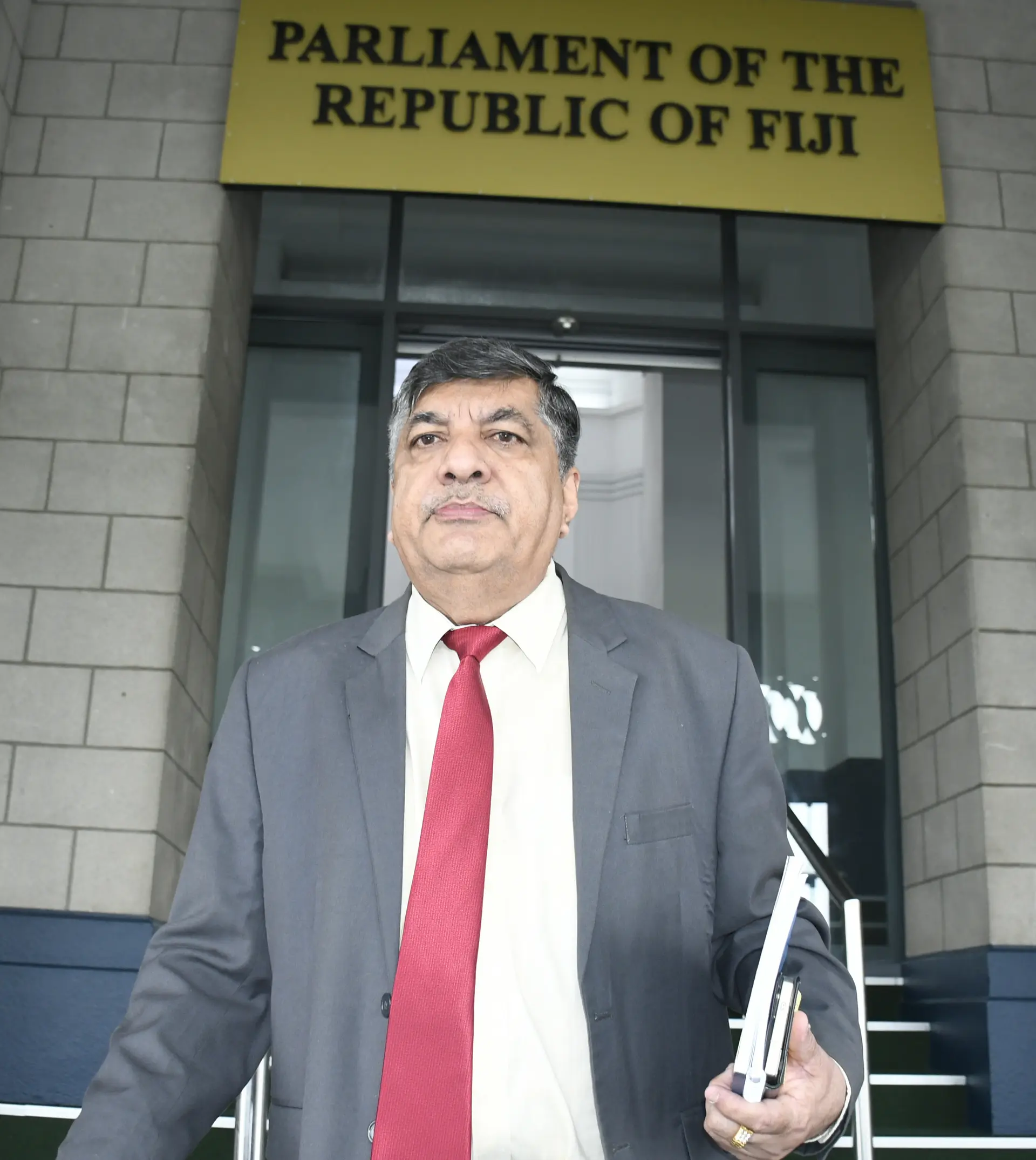
FLP: Referendum Bill ‘criminalises democracy’
Dr Kumar said the Bill’s restrictions were inconsistent with constitutional provisions that require the promotion of human dignity, equality and freedom in a democratic society.
Wednesday 21 January 2026 | 12:00


The Fiji Labour Party says the proposed National Referendum Bill effectively criminalises democracy and is unconstitutional and undemocratic.
FLP management board member Dr Sunil Kumar told the Standing Committee on Justice, Law and Human Rights yesterday that the Bill denies fundamental freedoms guaranteed under Fiji’s Constitution.
He said the legislation violates citizens’ rights to freedom of speech, assembly, association and access to information.
Related stories
Dr Kumar said the Bill’s restrictions were inconsistent with constitutional provisions that require the promotion of human dignity, equality and freedom in a democratic society.
He raised particular concern over clause 23, warning it turns normal democratic activity into a criminal offence.
Dr Kumar said the clause criminalises discussion, persuasion and consultation, and bans political parties from visiting voters at their homes or workplaces.
He said a law that criminalises persuasion effectively criminalises democratic politics itself.
Dr Kumar described the provision as a blanket ban with no reasonable limits on when or how citizens may discuss referendum issues.
He also highlighted several other concerns with the Bill.
He said providing only five days’ notice before polling was inadequate and created opportunities for strategic manipulation.
Dr Kumar said the use of English-only ballot papers could create language barriers for some voters, while barring those under 18 from any referendum activity ignored the fact that referendum outcomes could directly affect their future.
He also criticised provisions allowing only parliamentary parties to establish polling offices, saying this discriminated against active non-parliamentary parties such as the FLP.
Dr Kumar warned the Bill gives the Government excessive control over the referendum process.
He said the level of discretion afforded to the State posed significant risks to fairness and transparency.
The FLP called for the Bill to be aligned with international best practice, including standards set by the Venice Commission on democratic referendums.