Govt targets universal electricity access by 2030
$4.39m Nalawa power project lights up remote communities
Monday 03 August 2026 | 11:00

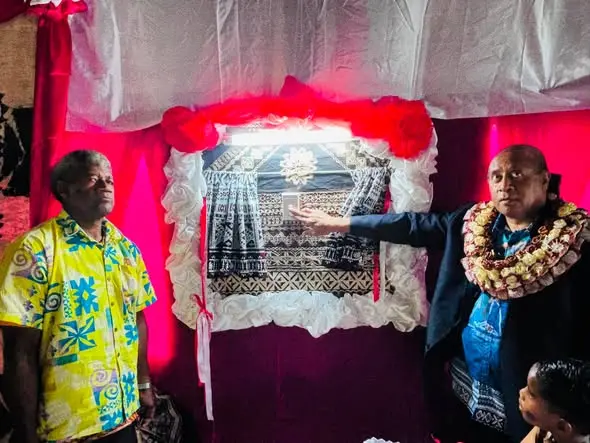
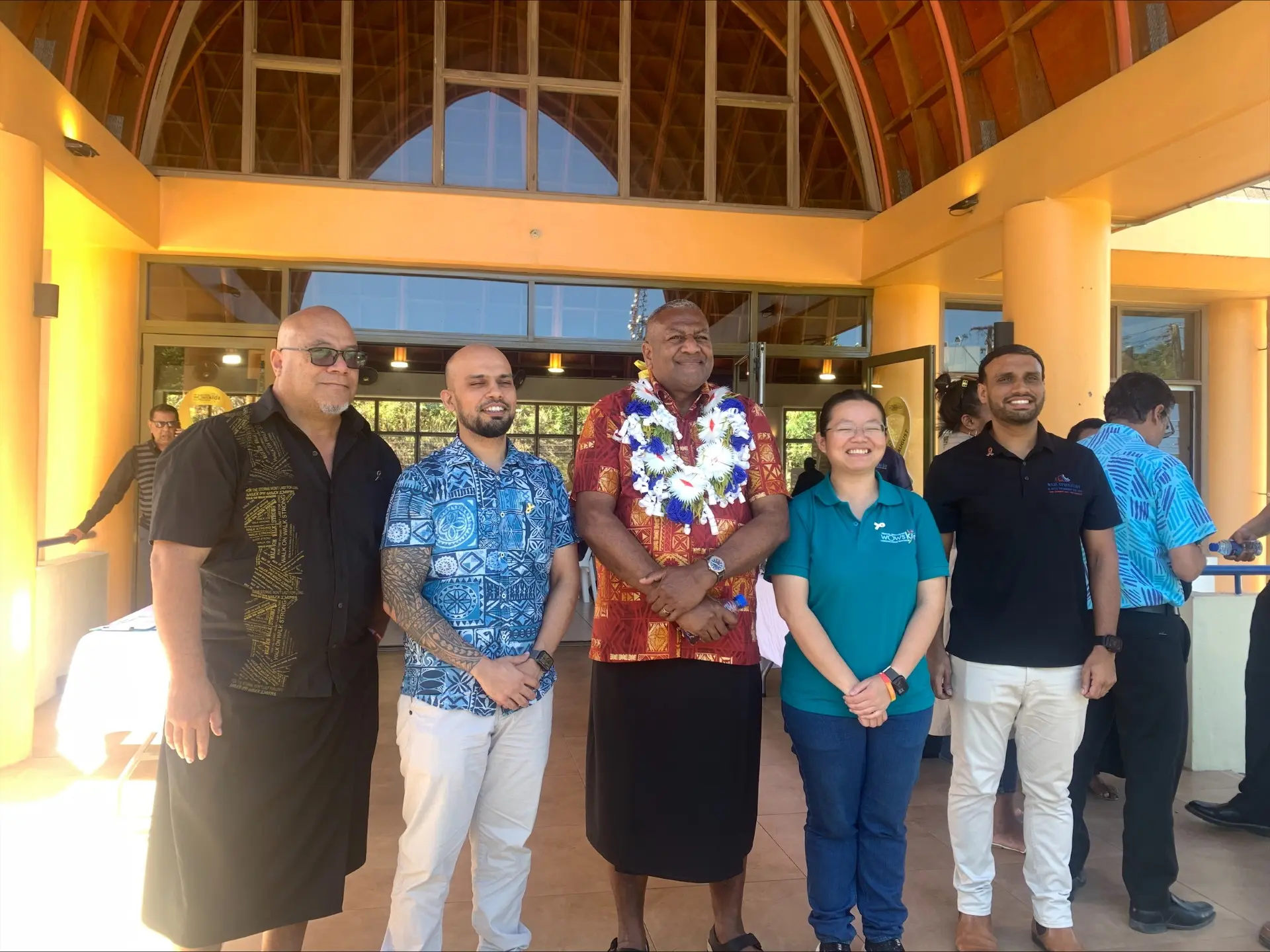
Minister for Public Works, Meteorological Services and Transport Ro Filipe Tuisawau, officially commissions the Soa and Matuku Village Grid Extension and Rural Electrification Project in Nakorotubu, Ra,
Photo: Ministry for Public Works, Meteorological Services and Transport
The Government has reaffirmed its commitment to providing every Fijian with access to electricity by 2030 following the commissioning of the Nalawa Stage 2 Grid Extension and Rural Electrification Project in Ra.
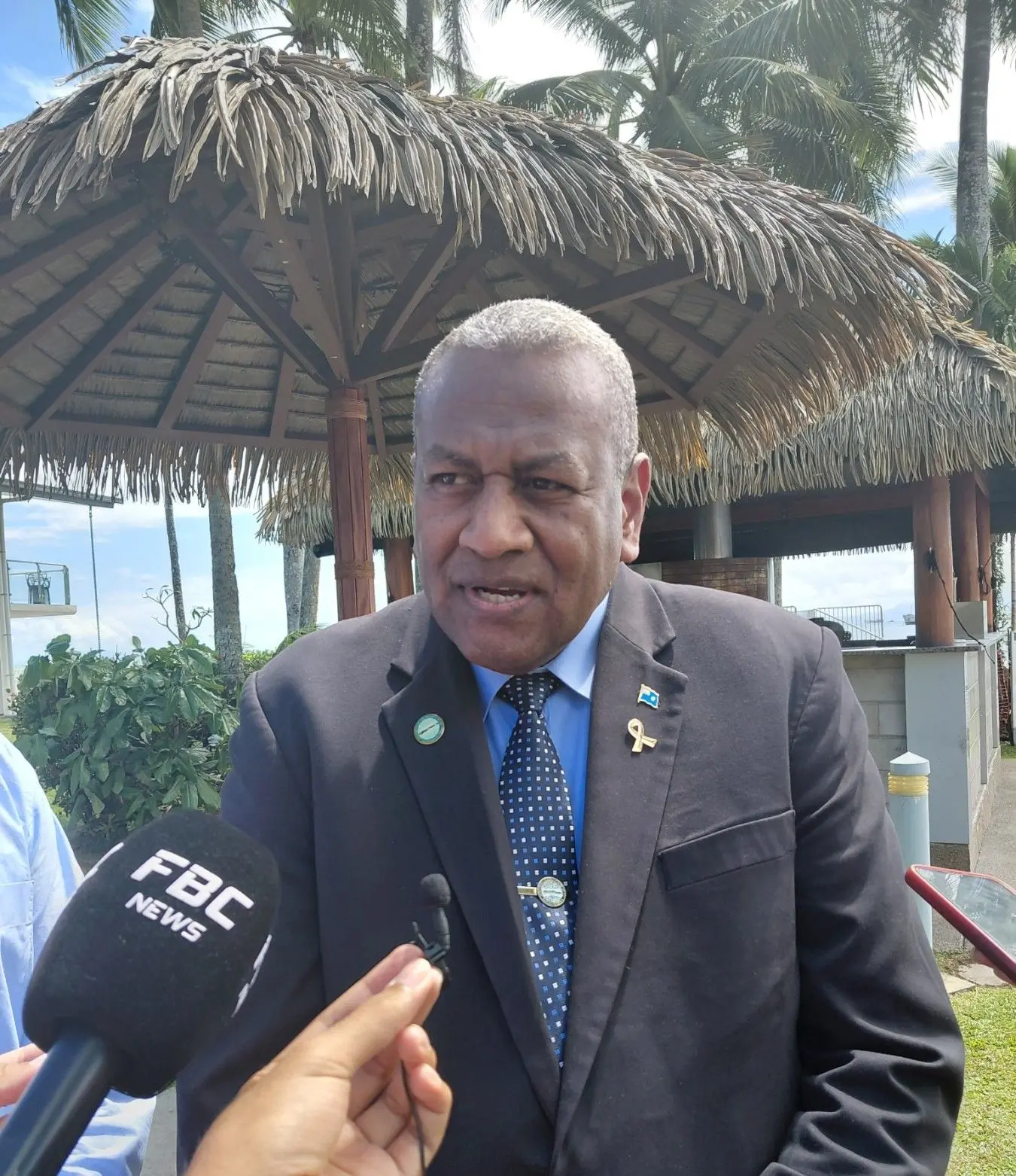
Speaking at the commissioning ceremony on Friday, Minister for Public Works, Meteorological Services and Transport Ro Filipe Tuisawau said the fully Government-funded project marked another milestone towards achieving universal electricity access while improving opportunities for rural communities.
The Nalawa Stage 2 Grid Extension was completed at a cost of about $2.02 million, bringing the Government's total investment in the Nalawa Stage 1 and Stage 2 projects to $4.39 million.
Related stories
The extension runs from Nasau Village to Nukuilau Village and provides grid electricity to Ovalau Village, Nasau Primary School and the Nasau Health Centre.
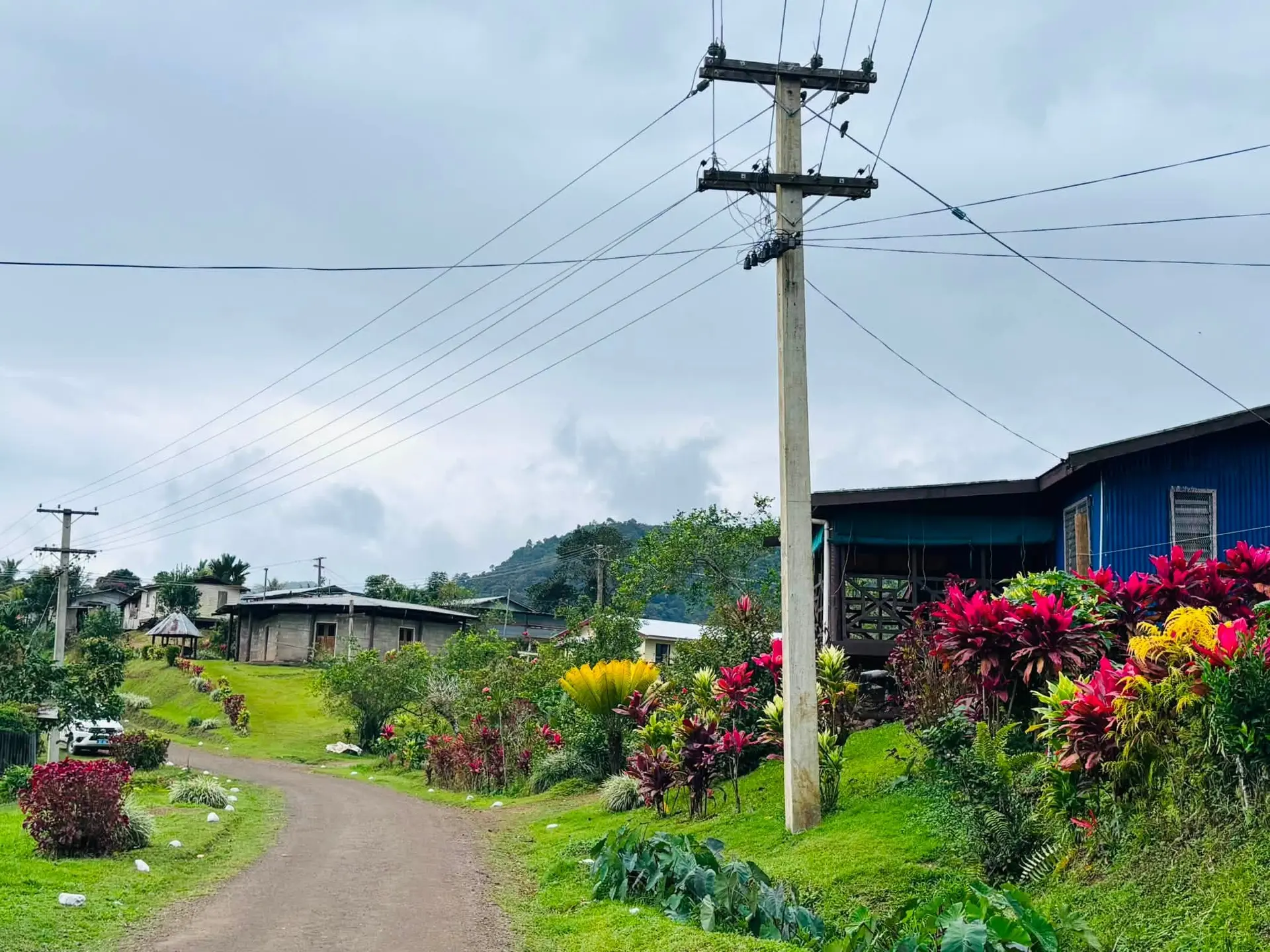
House wiring works worth approximately $434,883 will benefit 267 households, directly improving the lives of an estimated 1,068 people.
While some household wiring remains outstanding, Ro Filipe said the Department of Energy was completing the remaining works, with all installations expected to be finished by December.
He said reliable electricity was fundamental to national development because it supported education, healthcare, businesses and economic growth while improving the quality of life for rural families.
Ro Filipe said more than 30,000 households had already benefited from Government-supported rural electrification programmes, reflecting its long-term commitment to rural development.
He also announced that Government now fully funds rural electrification projects, removing the previous requirement for communities to contribute between five and 10 per cent of project costs.
To help keep electricity affordable, he said Government would continue subsidising 50 per cent of monthly electricity bills, up to 100 kilowatt-hours, for households earning less than $30,000 a year.
Ro Filipe urged residents to use the improved electricity supply to grow businesses, increase agricultural production, support children's education and strengthen community development.
He said Government remained committed to investing in critical infrastructure to improve living standards and ensure no community was left behind.
The Minister officially commissioned the Nalawa Stage 2 Grid Extension and Rural Electrification Project.