Health Minister defends limits on doctors’ speech
Health Minister says doctors must follow civil service rules despite free speech rights.
Tuesday 28 April 2026 | 14:30
Updated 28 April 2026 | 16:50 FJT
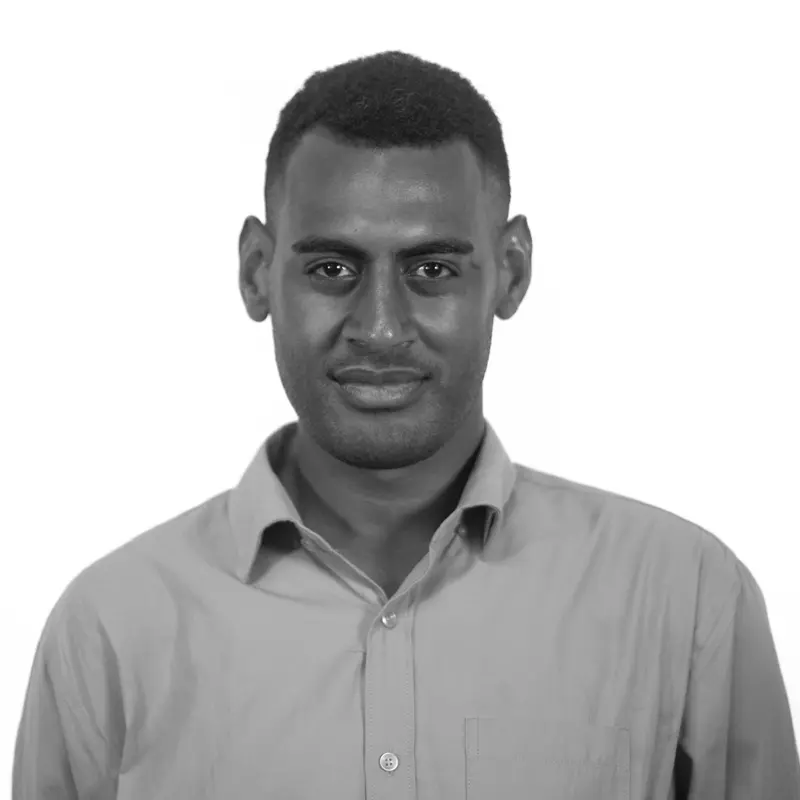
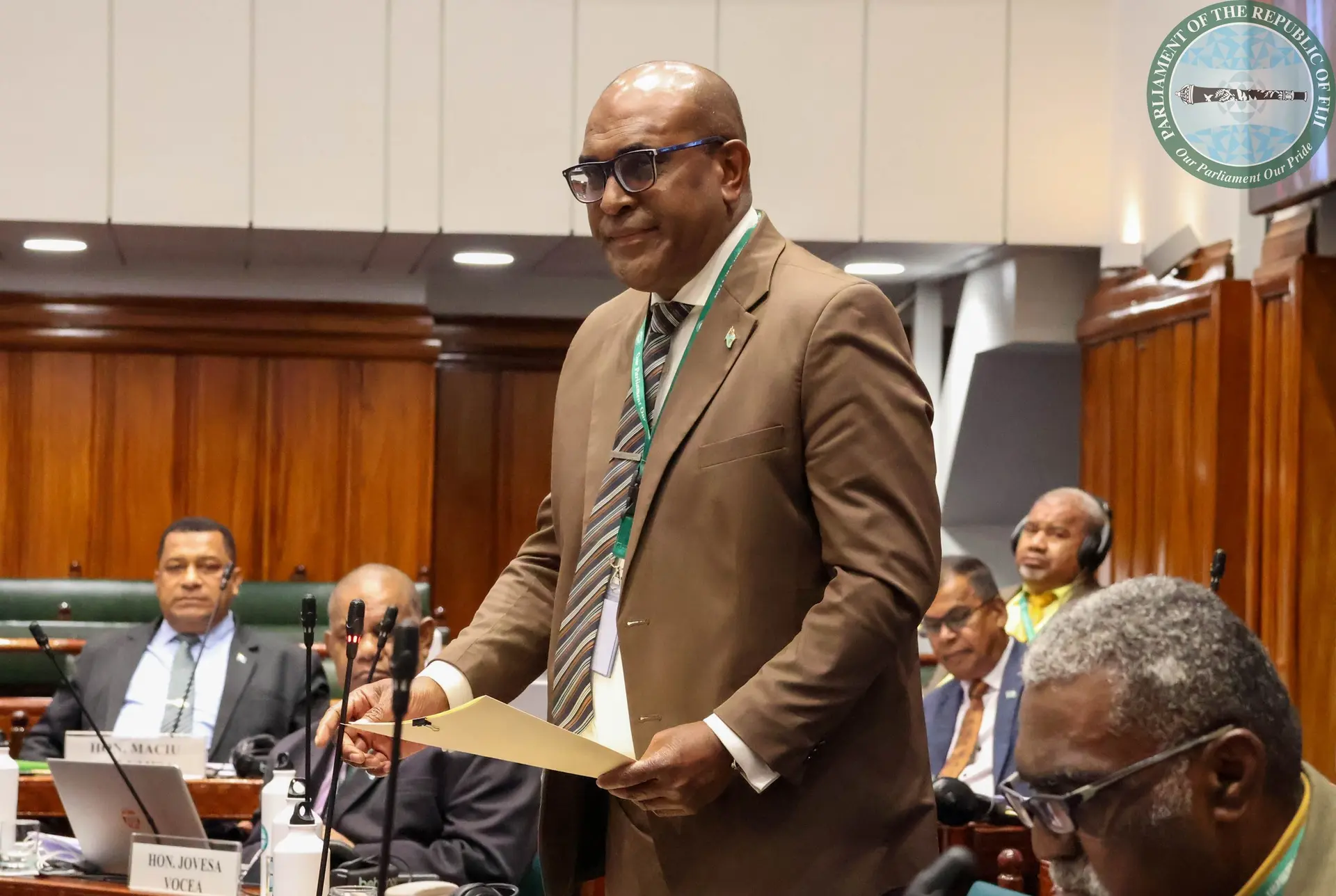
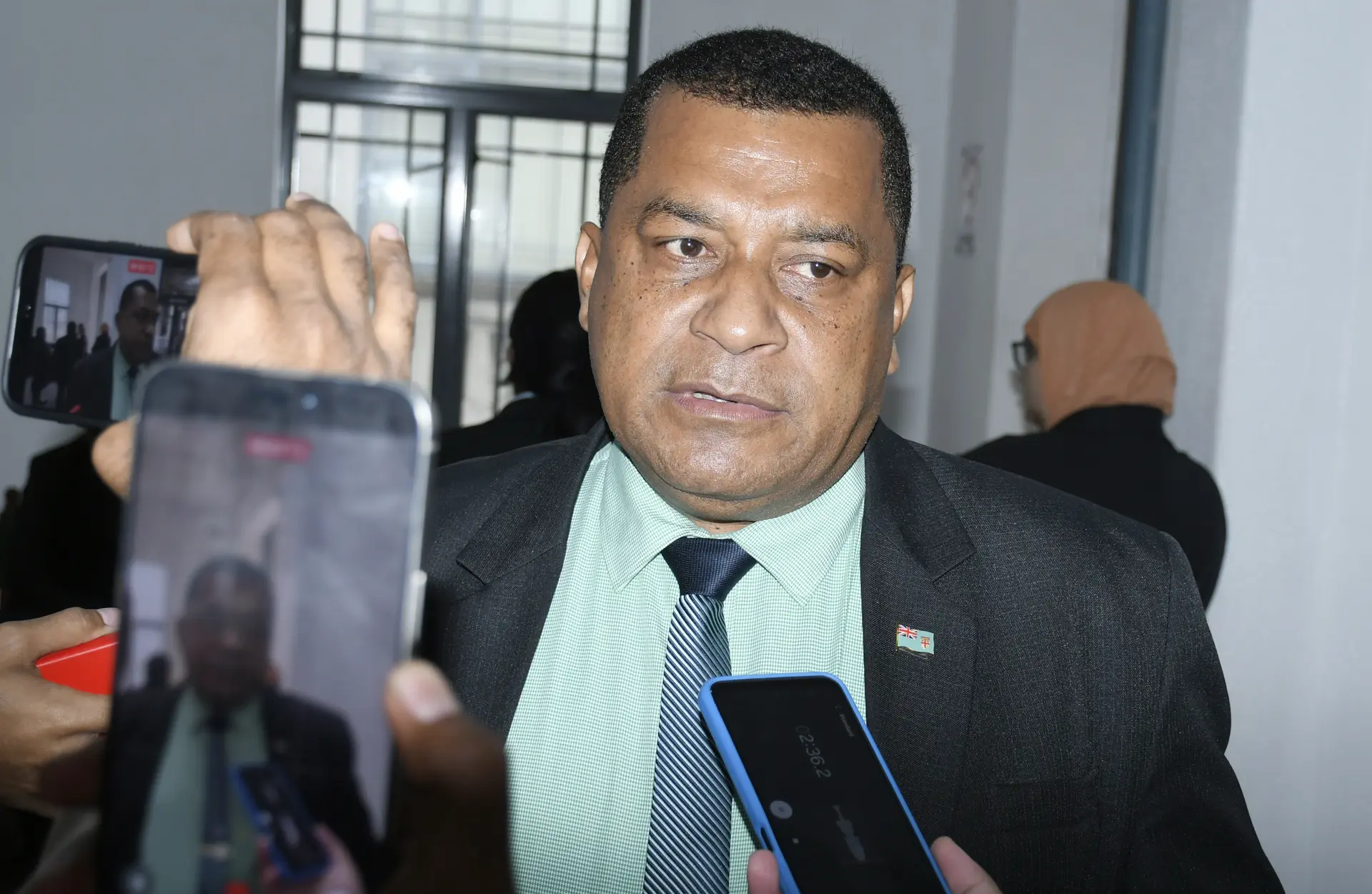
Minister for Health and Medical Services Dr Ratu Atonio Lalabalavu in Parliament on April 27, 2026.
Photo: Parliament of Fiji
The Health Minister has defended limits on how government-employed doctors speak publicly, saying that while free speech is respected, it must operate within civil service rules.
Dr Ratu Atonio Lalabalavu was responding to concerns raised by the Fiji Medical Association (FMA) last week about whether doctors at Colonial War Memorial Hospital can speak openly to the media and public about workplace issues.
In a submission to the Constitution Review Commission (CRC) last week, the association argued that medical professionals must be able to speak openly and responsibly on issues affecting healthcare without prior approval from authorities.
Related stories
FMA executive member Alipate Vakamocea said yesterday existing practices often require doctors to seek permission from senior officials, including the Ministry of Health, before addressing public concerns.
The association says this restriction creates a conflict of interest, particularly when the issues doctors want to highlight involve systemic failures or operational challenges within the health system itself.
Asked whether doctors had been freely voicing concerns, Dr Lalabalavu said he was not aware of such instances, while noting differences with previous administrations but emphasising that boundaries remain.
“I welcome free speech, and people are entitled to their own opinions,” he said.
“But if you are working within the Government, you also have to abide by the code of conduct or the general orders that apply to every civil servant.”
His remarks highlight ongoing tension between professional advocacy and public sector discipline, particularly in the health sector where concerns over working conditions and service delivery are frequently raised.
Dr Lalabalavu reiterated that while ministry staff may hold personal views, they are responsible for implementing government policies.
“We are a Government that has brought in policies, and these policies have to be implemented,” he said.
“If you think this is not the way things should be done, then that’s not the way to go about it.”
He added that this expectation applies across administrations, with governments relying on ministries and executive arms to carry out policy agendas.
The association’s submission has renewed debate over how openly frontline health workers can speak about systemic issues, a matter likely to remain under scrutiny as calls for greater transparency continue.