Nabavatu villagers assured permanent homes by October
Each home includes two bedrooms, a kitchen and laundry area, and a sitting area.
Friday 23 January 2026 | 19:00

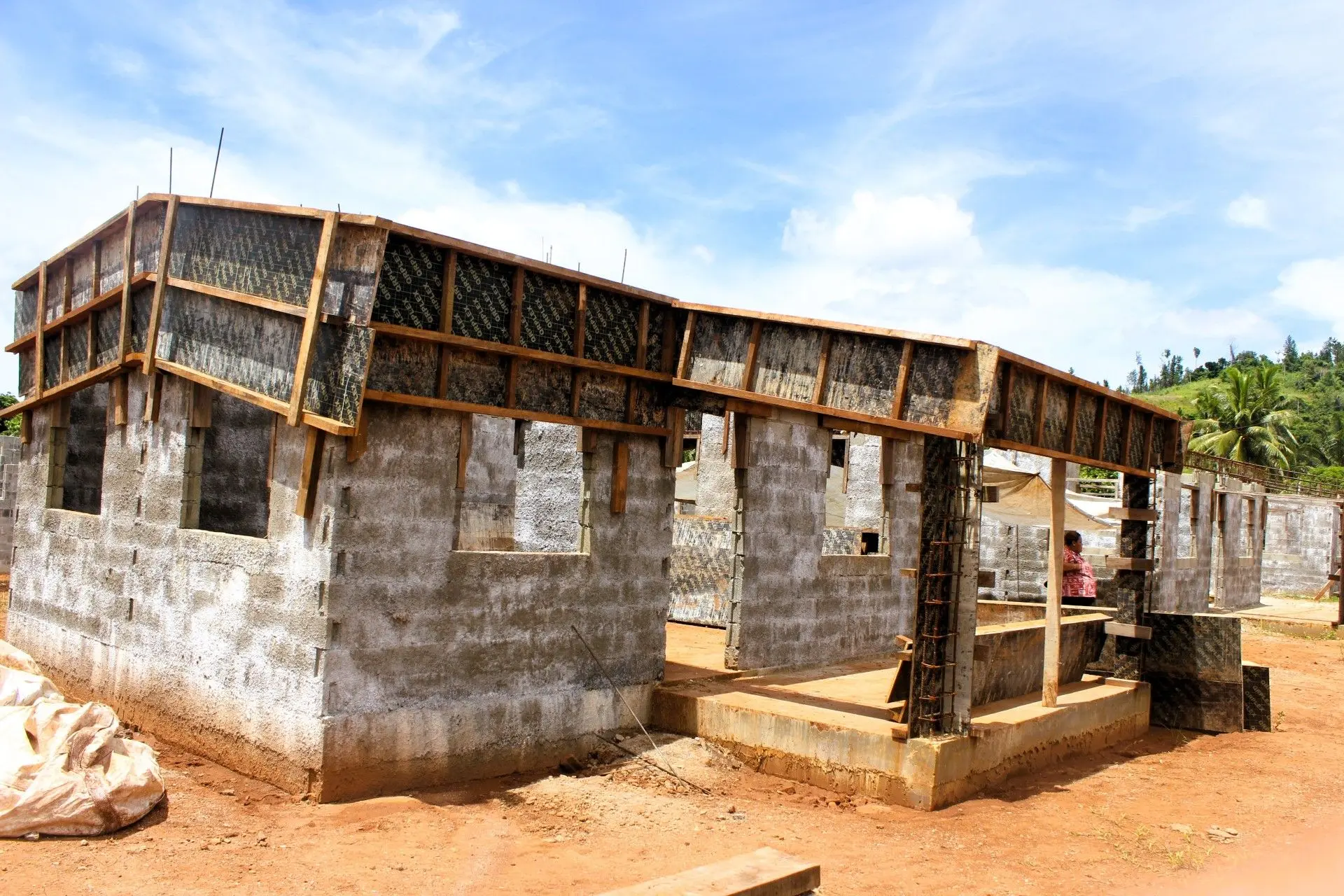
In February, 2024, Government approved the relocation project for Nabavatu Village with an estimated value of $5,933,099.
Sampras Anand
Thirty-seven families from Nabavatu village in Dreketi are expected to move into their permanent homes by October this year.
Minister for Rural, Maritime Development and Disaster Management Mosese Bulitavu gave the assurance during a visit to the Nabavatu relocation site at Nadoiviri, Dreketi.
Mr Bulitavu said he was satisfied with the progress of construction, noting that concrete and corrugated iron were being used to build the houses.
Related stories
PAHO Eco-Industries PTE LTD is the contractor for the project and was commended by the minister for its work.
Each home includes two bedrooms, a kitchen and laundry area, and a sitting area.
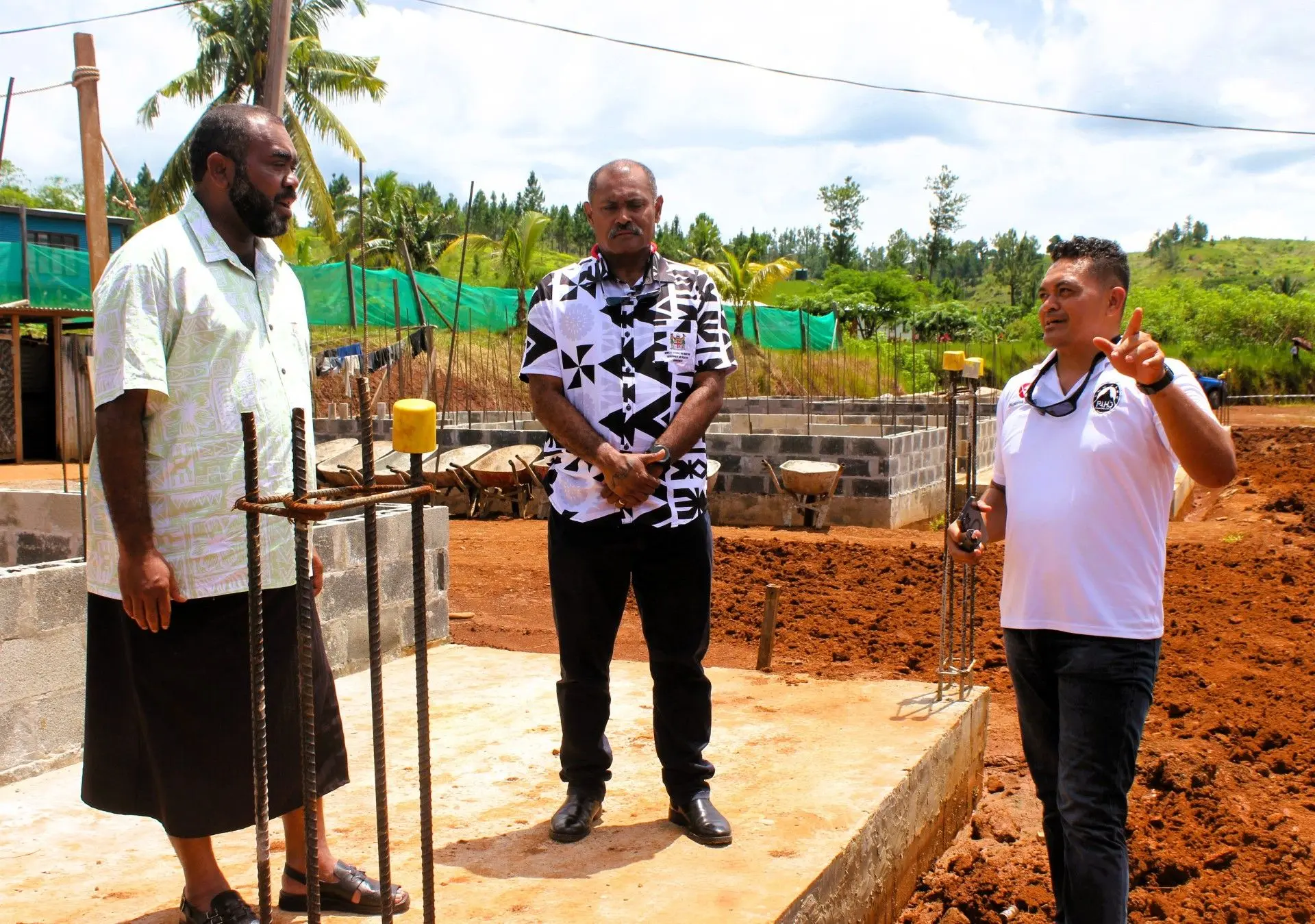
Responding to questions on the use of concrete and corrugated iron instead of timber, Mr Bulitavu said termite infestation was a major concern with timber materials.
“As a Government, we want to ensure this project is completed before the next cyclone season,” he said.
Nabavatu village was declared a red zone and deemed unsafe for habitation following a geohazard landslide during Tropical Cyclone Ana in 2021, which caused widespread damage to homes and threatened lives.
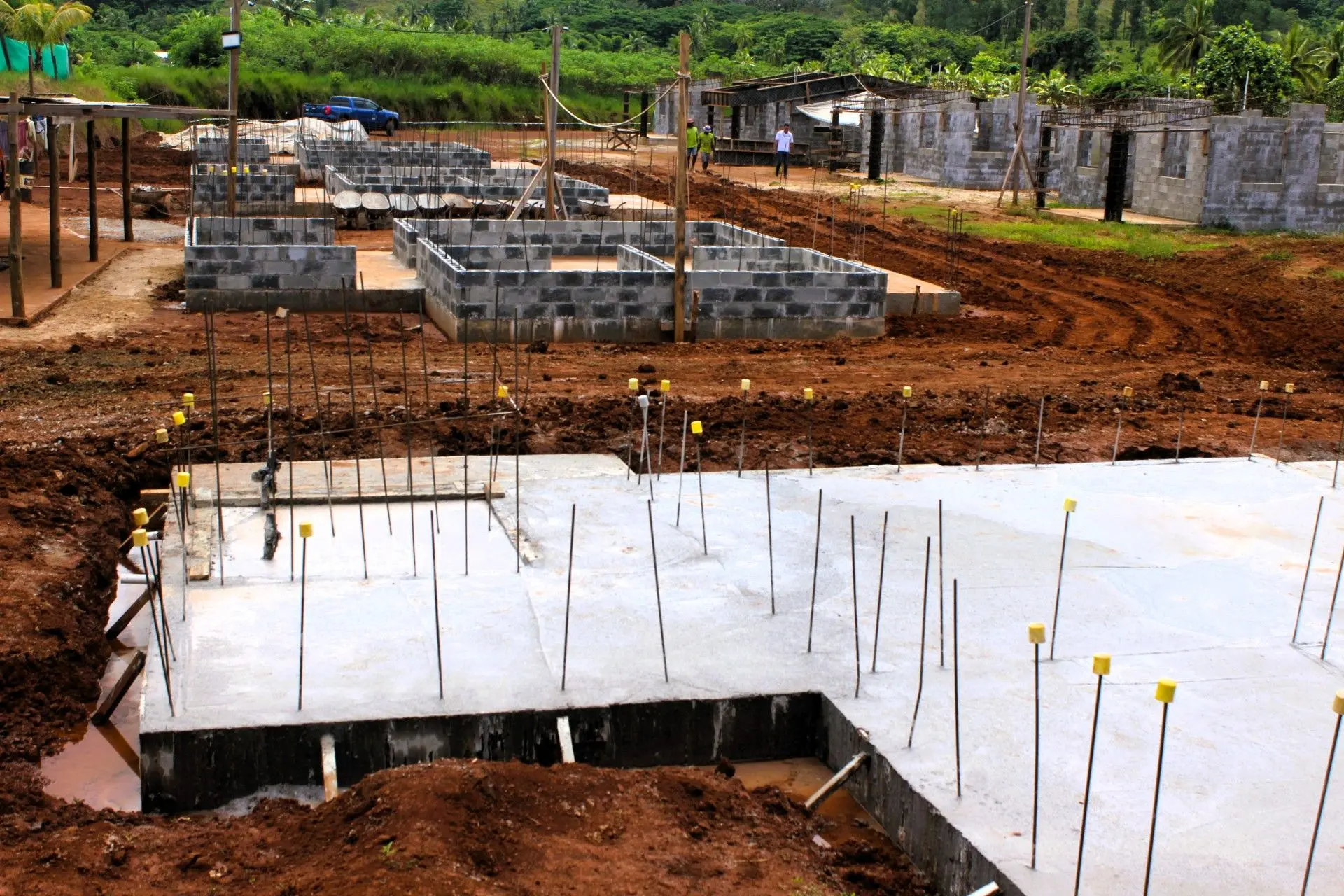
Following the declaration, villagers were relocated to temporary shelters at the Assemblies of God Church compound in Savadrua, Dreketi.
Villager Marica Maluguca, 65, said the community had endured nearly five years of hardship living in tents.
“Each day our prayers continue to get louder,” she said, describing the difficult living conditions.
Despite the challenges, Ms Maluguca said villagers were grateful to the Government for providing cyclone-resilient homes.
“We will wait patiently because we have seen the hard work the Government is doing,” she said.
Villagers have also been providing food and moral support to workers in appreciation of their efforts.
Mr Bulitavu said footpaths would be constructed to improve accessibility and ensure ease of movement during heavy rainfall, particularly for elderly residents.
He added that he was confident there would be no issues with land demarcation within the village.
Responding to questions about earlier assurances that the first 10 houses would be completed by the end of last year, Mr Bulitavu said adverse weather conditions had caused delays.
However, he stressed that 2026 would be the year the Nabavatu relocation project was fully completed.
Relocation cost
In February 2024, Government approved the Nabavatu Village relocation project at an estimated cost of $5,933,099.
The project is the first relocation in Fiji to adopt Fiji’s Standard Operating Procedures and is fully funded by Government through the Climate Relocation of Communities Trust Fund under the Ministry of Climate Change and Environment.








