Narco subs move drugs through Pacific
Police intelligence links Tavua cocaine seizure to semi-submersible vessel.
Sunday 25 January 2026 | 17:00

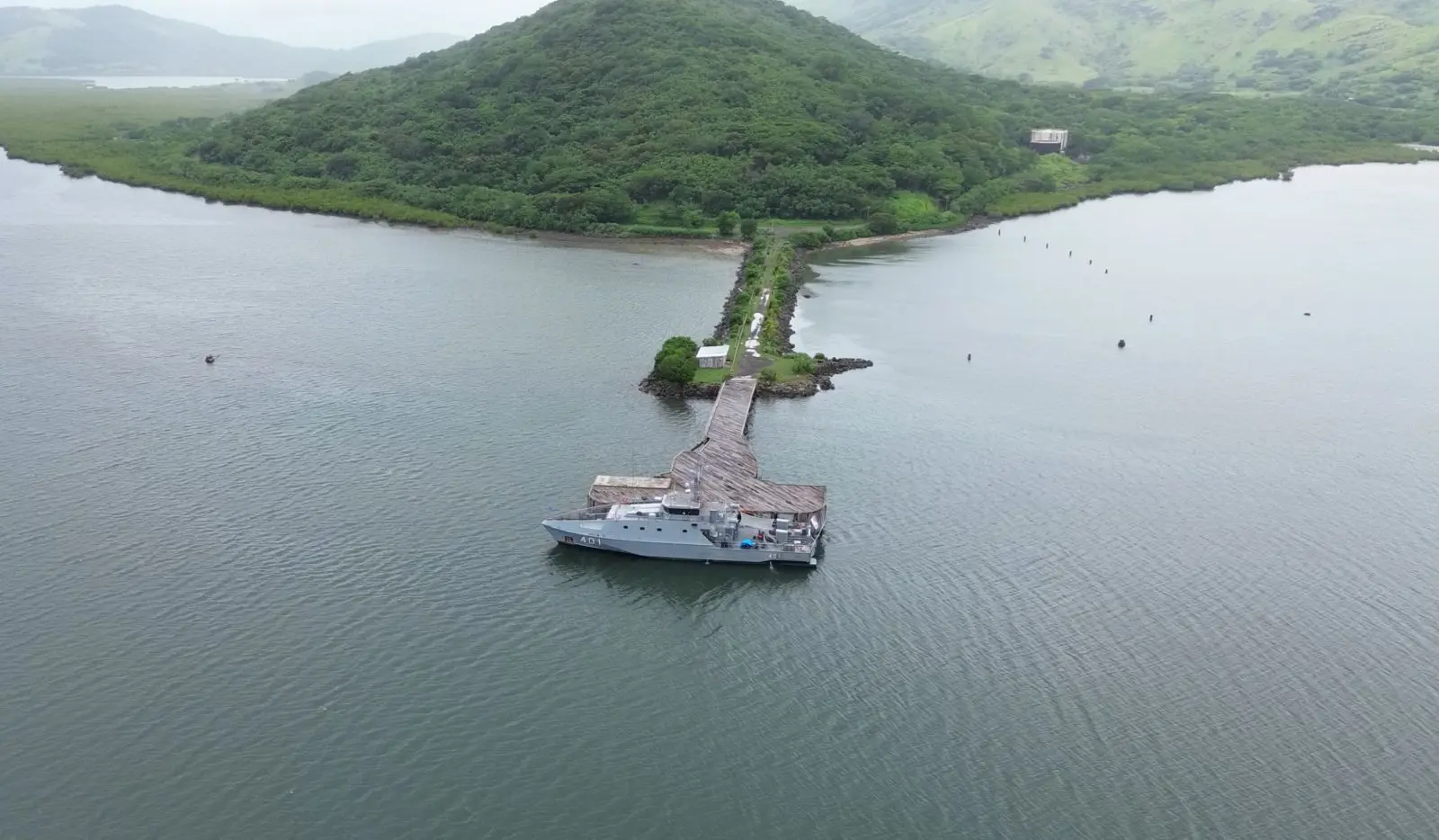
A transnational crime expert has warned that drug cartels are increasingly using narco-submersibles and semi-submersibles to move cocaine through the Pacific to Australia and New Zealand.
Jose Sousa-Santos, an Associate Professor at the Pacific Regional Security Hub at the University of Canterbury, said the tactic was gaining traction in the region, with three narco-submersibles seized in the Solomon Islands over the past two years.
Fiji Police Force intelligence said the 2.64 tonnes of cocaine seized in Tavua last week originated from South America and was transported via a semi-submersible vessel.
Related stories
Police have not confirmed whether the vessel has been located or recovered.
"Semi-submersibles are designed to be expendable," Mr Sousa-Santos said.
"Crews are instructed to scuttle vessels if detection appears imminent, destroying evidence and contraband. This makes prosecution extremely difficult."
He said the Solomon Islands seizures were unusual.
"The crews did not have time to sink those vessels. If three were captured, many more may have been scuttled and lost at sea," he said.
Mr Sousa-Santos said Fiji may now be facing the same challenge.
"If the vessel has been sunk, proving this trafficking method was used becomes extremely difficult," he said.
Developed by Colombian trafficking networks to evade radar and aerial surveillance, narco-submersibles were first used in the Eastern Pacific. Their emergence in the Pacific Islands, Mr SousaSantos said, signals a shift in how criminal groups view the region.
"The Pacific is no longer a peripheral transit zone. It is now part of the route," he said.