Nearly 75% of Fiji fish found with microplastics
Ministry of Environment says findings are concerning but expected, and urges action to curb plastic waste at source.
Tuesday 03 February 2026 | 15:00

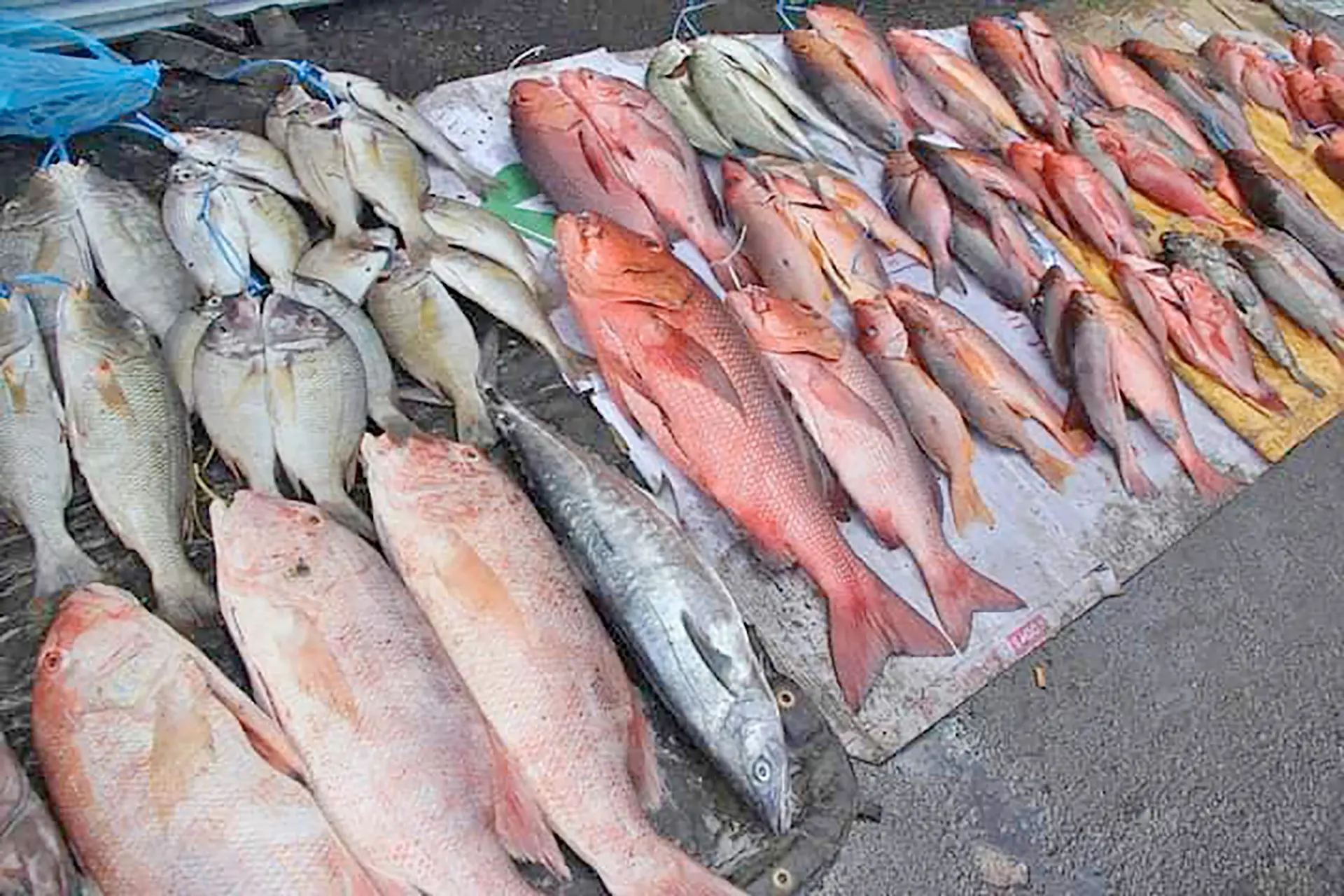
Freshly caught fish are displayed for sale at a local fish market.
Nearly 75 per cent of fish sampled in Fiji’s waters contain microplastics.
This has prompted renewed calls from the Ministry of Environment and Climate Change for urgent action to curb plastic pollution at its source.
Permanent secretary Sivendra Michael said while the findings were concerning, they were not unexpected, given the global and transboundary nature of plastic pollution in the marine environment.
Related stories
“The ministry has been aware of the presence of microplastics in Fiji’s marine environment since the earliest studies confirmed elevated levels along the greater Suva coastal area,” Mr Michael said.
He noted that similar results have emerged from subsequent research across Fiji and the wider Pacific.
The latest study reinforces earlier findings and highlights the need for urgent and sustained efforts to re-duce land-based plastic waste, which fragments into microplastics once it enters the ocean.
Despite concerns, Mr Michael urged the public not to panic, stressing that fish and seafood remain central to Fiji’s food security, culture and livelihoods.
“Most microplastics detected in fish are found in the digestive tract, which is removed for most consumed species before cooking,” he said
Most microplastics detected in fish are found in the digestive tract, which is removed for most consumed species before cooking
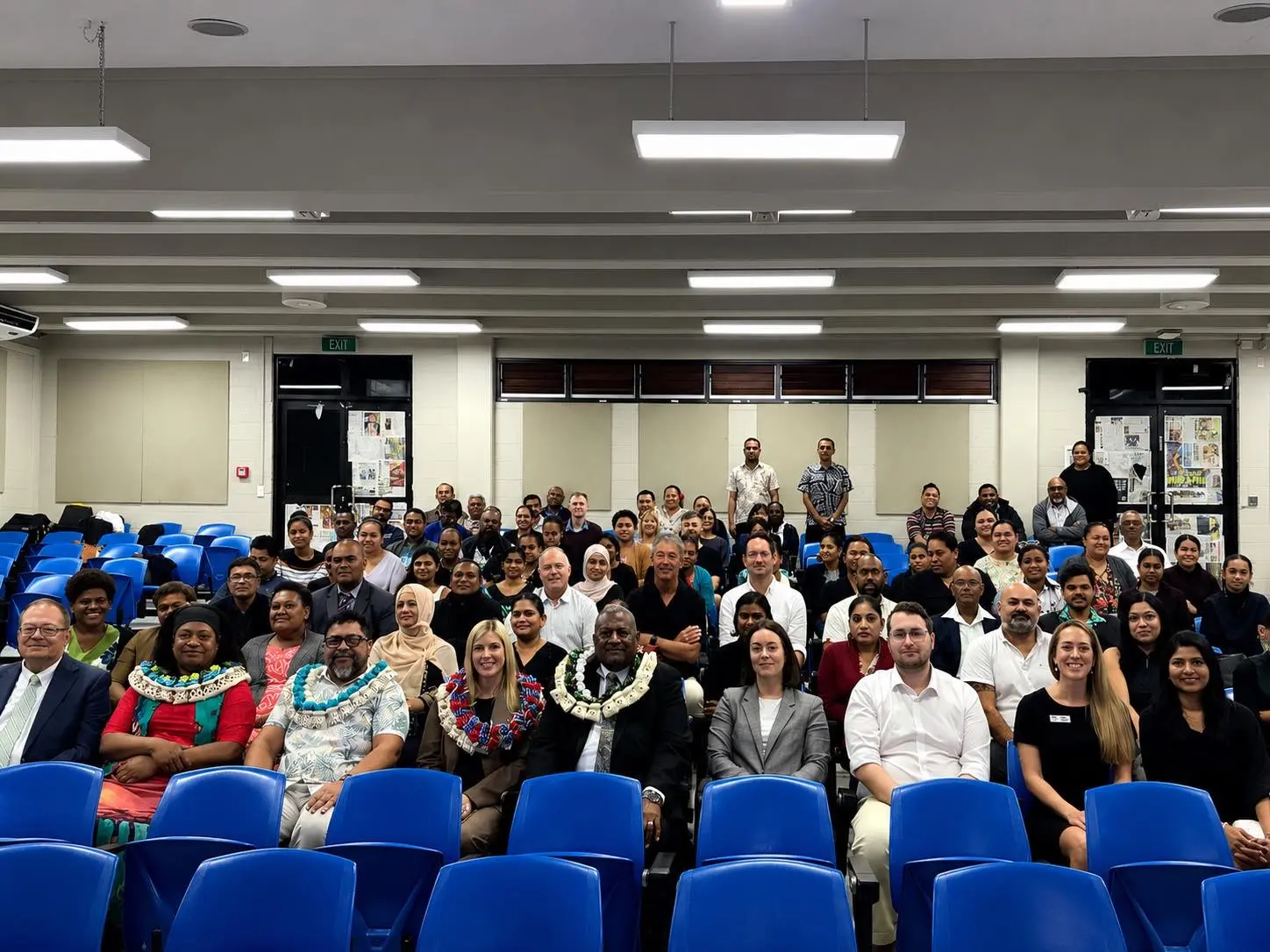
Permanent secretary for the Ministry of Environment and Climate Change, Sivendra Michael
The scientific evidence has not established clear thresholds for direct health impacts from dietary expo-sure.
The ministry is closely monitoring research on potential indirect health risks, including microplastics acting as carriers of harmful chemicals.
Fiji does not yet have a dedicated national monitoring programme for microplastics in marine life and seafood, but the ministry is work-ing with communities, civil society organisations and regional partners to monitor coastal litter and marine debris.
“These efforts help identify the types and sources of plastics entering our marine environment and underscore the importance of stopping plastic leakage upstream,” he said.
Addressing microplastic pollution requires a whole of government approach, with the ministry working closely with the Ministries of Fisher-ies and Health through inter-agency consultations and policy processes.
Fiji has already introduced bans on certain single use plastics, a plastic bag ban, levies and a container de-posit scheme, but Mr Michael said the evolving evidence shows the need to continually review and strengthen controls on problematic plastics.
The ministry will continue working with regional partners and institutions such as the University of the South Pacific to support further re-search and ensure policies are guided by the best available Pacific led science.