North farmers demand answers on El Niño support plan
Growers say they are still waiting for details on how the back-up plan will help struggling farming communities.
Tuesday 03 November 2026 | 18:00

Sugarcane farmers in Vanua Levu are seeking clarity on how the El Niño back-up plan initiated by the Ministry of Agriculture, Waterways and Sugar will assist them.
Waiqele sector cane farmer Emmanuel Jeet raised the issue with Minister for Sugar Tomasi Tunabuna, asking him to provide specific details of the plan.
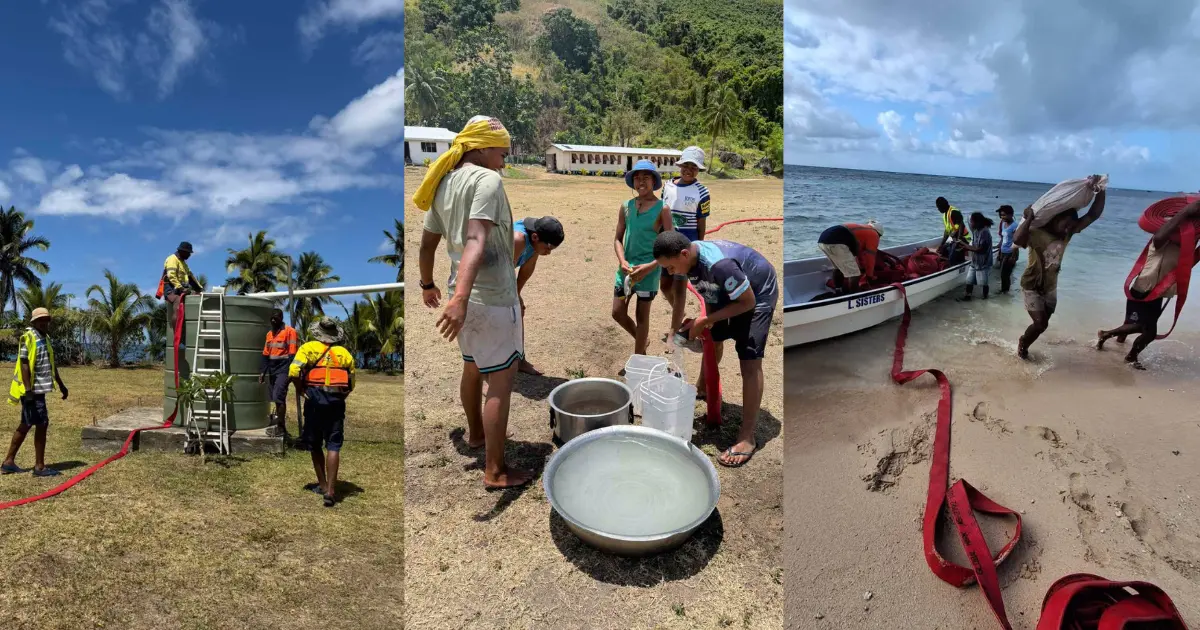
Mr Jeet said the situation in Labasa continued to deteriorate, with the effects of El Niño affecting most water sources.
Related stories
“The minister only says a back-up plan is there to counter El Niño. We farmers in the Waiqele sector in Labasa are yet to receive assistance under this plan. Is it a show or a real plan?” he said.
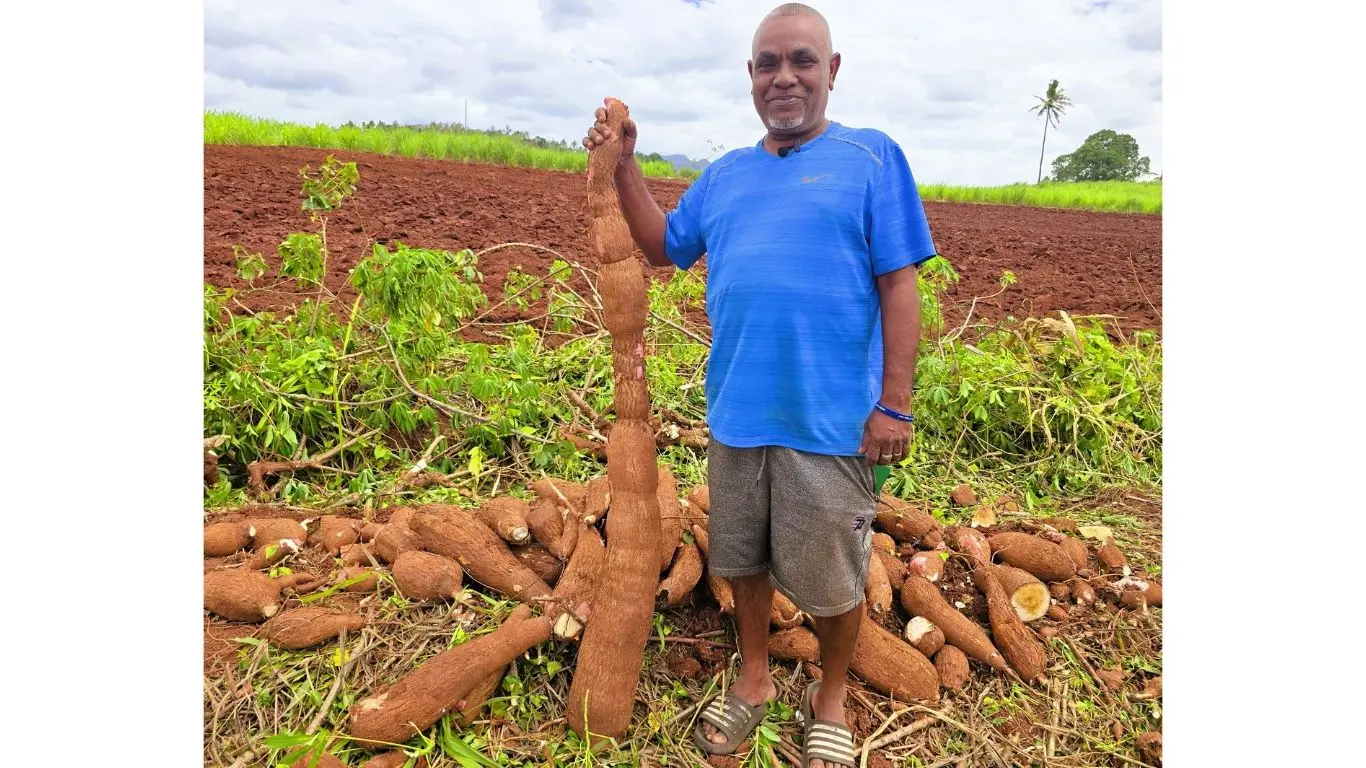
He said his cane production had dropped from 1600 tonnes to 1400 tonnes because of the dry spell.
“Two hundred tonnes have been lost because of the El Niño effect, yet the Government has remained silent on specific guidelines explaining how farmers will be assisted,” he said.
“I want to ask the minister: what are your plans to help farmers recover from El Niño?”
As a large-scale farmer, Mr Jeet said he was concerned about how small-scale farmers would survive. He said the lack of any change in the price per tonne of cane, combined with financial constraints, would put many farmers under pressure.
Drawing on his years in the sugarcane industry, Mr Jeet estimated that cane production in Labasa would decrease significantly next season if the Government provided limited or no assistance to address the effects of El Niño.
He said the size of farms was declining each year and called on the Minister for Sugar to clearly explain how the back-up plan would work.
Bucesau sector farmer Firoz Ali, who spoke about water shortages and difficulties experienced in Nagigi, Labasa, said farmers needed to prepare for the worst effects of El Niño, which he believed were yet to be felt.
Mr Ali said El Niño was affecting both livestock and crop farmers, making farming an increasingly unsustainable livelihood.
Seaqaqa sector farmer Adit Kumar shared similar concerns, saying residents had been without a reliable water supply for more than a month and farmers had received no clarity on the proposed El Niño back-up measures.
Mr Kumar said this crushing season had been the worst, with continuous water disruptions at Vunivere settlement in Seaqaqa.
“Authorities are sleeping on the job, and the Water Authority of Fiji (WAF) is sluggish in assisting rural communities with water restoration and timely water carting,” he said.
Another farmer, Ilisoni Nate, believed the entire sugar and agriculture sectors would be severely affected.
He said survival would depend not on Government assistance but on farmers managing their own water reserves.
Mr Nate added that the fight against El Niño was like a war, and those who adapted fastest would survive.