'Not a good time’ for $8 wage push: FCEF
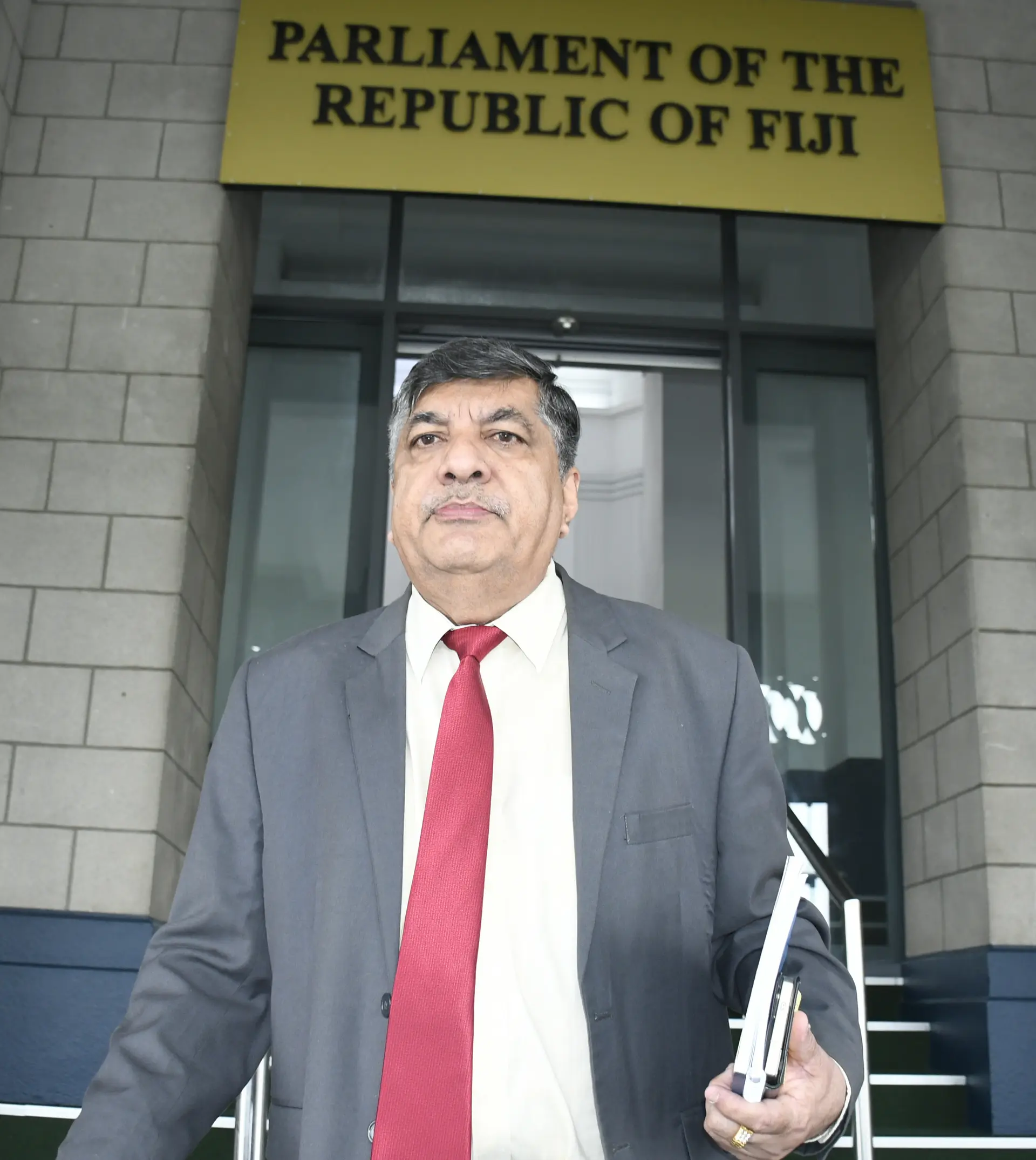
FCEF chief executive officer Edward Bernard said while the organisation supported decent work and fair wages, the Fiji Trades Union Congress proposal for a new wage system came at a difficult economic time.
Monday 11 May 2026 | 06:00

The FCEF said Fiji’s minimum wage had already increased significantly over the past decade.
The Fiji Commerce and Employers Federation says calls for an $8 hourly living wage must be balanced against Fiji’s economic realities, warning that businesses and Government are already struggling to survive amid rising costs and slowing growth.
In a statement yesterday, FCEF chief executive officer Edward Bernard said while the organisation supported decent work and fair wages, the Fiji Trades Union Congress proposal for a new wage system came at a difficult economic time.
“However, demanding for a new wages system in an economic climate where businesses and even the Government is trying to survive and continue to employ workers, is not good faith on the part of FTUC,” Mr Bernard said.
Related stories
The statement follows the FTUC’s push for a national $8 per hour living wage during its biennial delegates conference in Nadi over the weekend.
Mr Bernard said any living wage proposal must take into account Fiji’s “unique challenges” including low productivity, widening skills shortages, high youth unemployment and increasing freight and production costs.
“FTUC’s call for $8 per hour living wage must be evidenced and balanced against Fiji’s unique challenges such as low productivity, widening skills gaps, high youth unemployment and rising cost of freight and production inputs,” he said.
He also pointed to recent warnings by the World Bank that Fiji’s economic growth could slow below three per cent unless major reforms and productivity improvements were made.
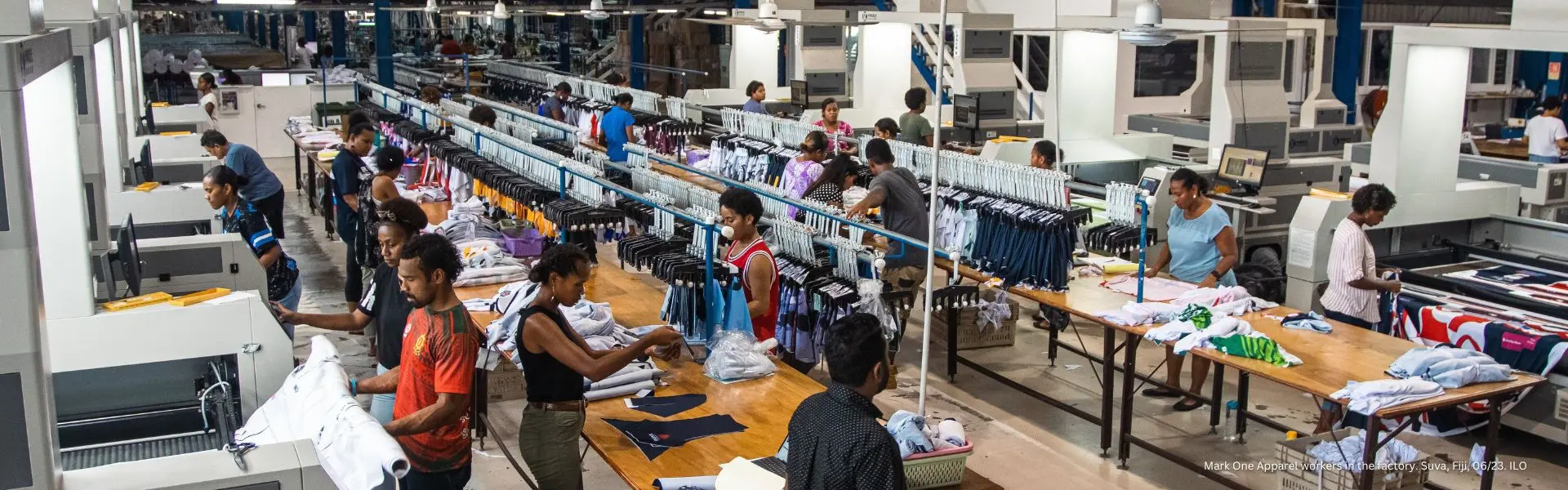
The FCEF said Fiji’s minimum wage had already increased significantly over the past decade.
“Fiji’s minimum wage has risen by 115% since 2015 — from $2.32 to $5.00 per hour — and by 86.6% in just the past three years, making it perhaps the highest wage increases in the world,” Mr Bernard said.
He said Fiji’s minimum wage was now more than 60 per cent higher than Papua New Guinea’s, despite PNG having an economy four times larger than Fiji’s.
The federation also highlighted recent increases in sectoral wages, meal allowances and household income support through remittances.
“In establishing a living wage, the ILO and the Universal Declaration of Human Rights explicitly requires taking into account the country circumstances and ensuring enterprise sustainability,” Mr Bernard said.
He noted that in countries such as New Zealand, living wages were not compulsory and required careful consideration of family structures and household income levels.
FCEF backed Prime Minister Sitiveni Rabuka’s call for wage reviews to remain structured, transparent and guided by economic realities.
“Wage reviews must be structured, transparent, informed by economic realities and cost of living considerations and necessary discussions that require balanced, evidenced and genuine consultation,” Mr Bernard said.