OPINION: Before Gaza, Fiji must ask the hard questions
The Fiji public are entitled to know whether its sons and daughters are being sent to stabilise a peace—or to operate amid an unresolved conflict.
Monday 26 January 2026 | 07:00

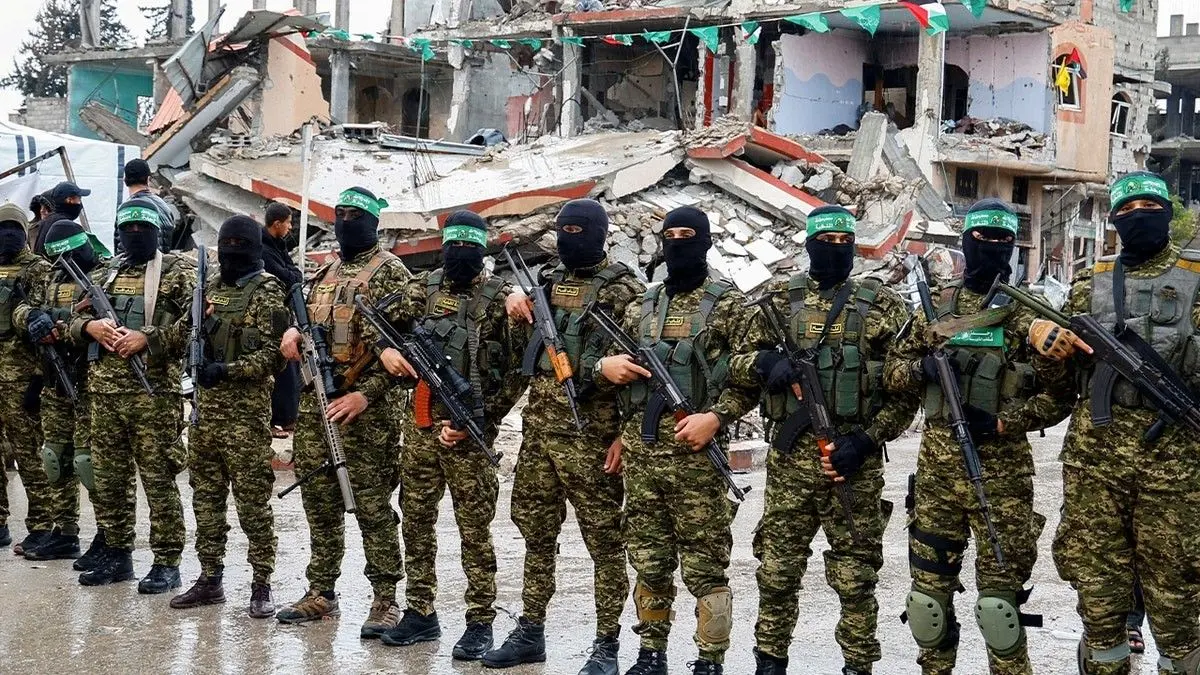
The recent announcement by Fiji’s Minister of Defence & Veterans Affairs that Fiji will consider contributing troops to a proposed international stabilisation force in Gaza, imposes a responsibility on all of us to ask the hard questions before the decision is finalised by Cabinet.
At the outset, let’s all be clear on one thing; Gaza is not a routine peacekeeping environment. It is a highly contested battlespace where the legitimacy, consent, and enforceability of any international force remain uncertain.
Before Fiji government commits its soldiers to Gaza, the public deserves clear answers to a number of questions about the risks such a deployment would pose to those on the ground.
Related stories
Question 1: Is There Genuine Consent?
The most fundamental issue is the explicit rejection of the stabilisation force concept by Hamas, the dominant armed actor in Gaza.
Peacekeeping doctrine rests on consent, impartiality, and limited use of force. When one principal party openly rejects a mission, the cornerstone of consent collapses.
Without consent, Fijian soldiers in Gaza will not be seen as neutral interposers. They risk being perceived as a hostile occupying force, regardless of intent.
For troops on the ground, this dramatically elevates the risk.
Patrols, checkpoints, convoys, and static positions become potential targets—not because Fijian and other soldiers in the stabilisation force have failed, but because their presence itself is rejected.
Fiji’s peacekeepers have historically operated where communities accepted their role.
Gaza would represent a fundamentally different operational reality.
Question 2: How Clear and Limited Is the Mandate?
Public reporting suggests the proposed force would support public order, protect humanitarian operations, assist in rebuilding Palestinian policing, and potentially contribute to the demilitarisation of armed groups.
Each of these tasks carries different—and escalating—levels of risk.
Protecting aid corridors is one thing. Being perceived as assisting disarmament or security restructuring against the wishes of the dominant armed faction In Gaza, is quite another.
Without a narrow, realistic mandate and clear rules of engagement, Fijian soldiers in Gaza risk mission creep - sliding from stabilisation into enforcement.
History shows that unclear mandates expose peacekeepers to rising hostility while leaving them politically constrained in how they respond.
The Fiji public deserves to know exactly what its soldiers would be authorised—and expected—to do if confronted by armed resistance.
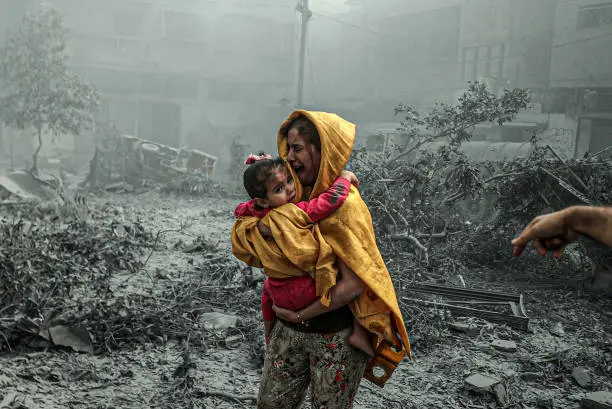
The true cost of fighting in Gaza.
Question 3: Are Troops Being Deployed Into an Urban Conflict?
Gaza is one of the most complex operating environments in the world: dense urban terrain, extensive tunnel networks, armed groups embedded within civilian populations, and a society traumatised by prolonged conflict.
If Hamas and other factions do not accept the force, Fijian soldiers will find themselves operating in conditions closer to low-intensity urban warfare.
In such environments, visibility offers no protection. Uniforms do not deter improvised explosive devices, snipers, or politically motivated attacks.
The Fiji public are entitled to know whether its sons and daughters are being sent to stabilise a peace—or to operate amid an unresolved conflict where peace does not yet exist.
Question 4: What Does Fiji’s Own Experience Tell Us?
Fiji’s long service with UNIFIL in Lebanon offers an important point of comparison.
Fijian troops operated there with a clear UN mandate, within defined areas of responsibility, and—crucially—with working relationships with local communities that largely accepted their presence. Even then, the environment was never risk-free.
Gaza would be more volatile.
Unlike southern Lebanon, Gaza involves an armed group that openly rejects the very concept of an international force.
That distinction matters profoundly for force protection and operational viability.
Question 5: What Is the Duty of Care?
Ultimately, the central issue is the Fiji Government’s duty of care to its soldiers and their families.
Courage is not the same as recklessness.
Pride in service must be matched by a rigorous assessment of the risks; whether the mission is lawful, achievable, adequately resourced and grounded in a good dose of political reality.
Before any deployment, the government owes the public clear answers:
· Is there genuine consent from all major parties on the ground?
· Is the mandate limited, realistic, and enforceable?
· Are the rules of engagement robust enough if consent collapses?
· And is Fiji being asked to stabilise a peace—or to substitute for one that does not yet exist?
Asking these questions is not an act of disloyalty. It is the standard that has protected Fijian soldiers and their reputation in past deployments.
Our peacekeeping legacy was built on disciplined judgment, not on repeating the narrative of The Charge of the Light Brigade—where unquestioned courage and noble intentions led to a fatal advance born of strategic ambiguity, and soldiers paid the price for a lack of clarity.
Fiji’s peacekeeping reputation was earned through disciplined judgment and respect for human life, not by placing soldiers in harm’s way where there is no peace to keep.
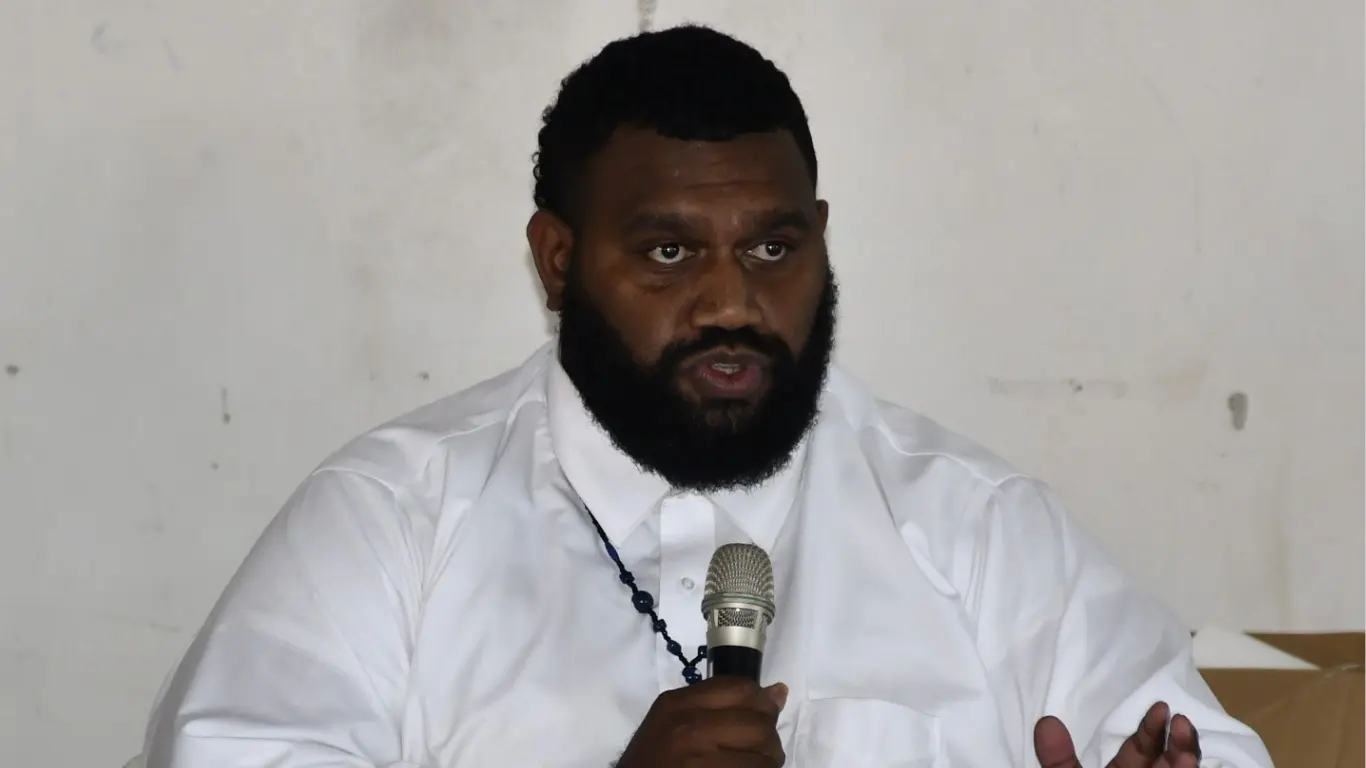
• 𝙏𝙝𝙚 𝙖𝙪𝙩𝙝𝙤𝙧 𝙅𝙞𝙢 𝙎𝙖𝙣𝙙𝙖𝙮 𝙬𝙖𝙨 𝙖 𝙘𝙤𝙢𝙢𝙞𝙨𝙨𝙞𝙤𝙣𝙚𝙙 𝙢𝙞𝙡𝙞𝙩𝙖𝙧𝙮 𝙤𝙛𝙛𝙞𝙘𝙚𝙧 𝙞𝙣 𝙩𝙝𝙚 𝙥𝙧𝙚-𝙘𝙤𝙪𝙥 𝙍𝙁𝙈𝙁 𝙖𝙣𝙙 𝙘𝙤𝙢𝙢𝙖𝙣𝙙𝙚𝙙 𝙁𝙞𝙟𝙞𝙖𝙣 𝙗𝙖𝙩𝙩𝙖𝙡𝙞𝙤𝙣𝙨 𝙞𝙣 𝙇𝙚𝙗𝙖𝙣𝙤𝙣 𝙖𝙣𝙙 𝙎𝙞𝙣𝙖𝙞. 𝙄𝙣 2025, 𝙝𝙚 𝙡𝙚𝙙 𝙩𝙝𝙚 𝙉𝙖𝙩𝙞𝙤𝙣𝙖𝙡 𝙎𝙚𝙘𝙪𝙧𝙞𝙩𝙮 & 𝘿𝙚𝙛𝙚𝙣𝙘𝙚 𝙍𝙚𝙫𝙞𝙚𝙬 (𝙉𝙎𝘿𝙍) 𝙖𝙣𝙙 𝙘𝙤-𝙖𝙪𝙩𝙝𝙤𝙧𝙚𝙙 𝙩𝙝𝙚 𝙉𝙖𝙩𝙞𝙤𝙣𝙖𝙡 𝙎𝙚𝙘𝙪𝙧𝙞𝙩𝙮 𝙎𝙩𝙧𝙖𝙩𝙚𝙜𝙮 𝙩𝙝𝙖𝙩 𝙬𝙖𝙨 𝙖𝙥𝙥𝙧𝙤𝙫𝙚𝙙 𝙗𝙮 𝘾𝙖𝙗𝙞𝙣𝙚𝙩 𝙞𝙣 𝙅𝙪𝙣𝙚 2025.