Opposition MP pushes VAT and duty cuts on fuel
Alvick Maharaj says surface‑level measures offer little relief to families and businesses
Monday 13 April 2026 | 14:30
Updated 13 April 2026 | 16:05 FJT


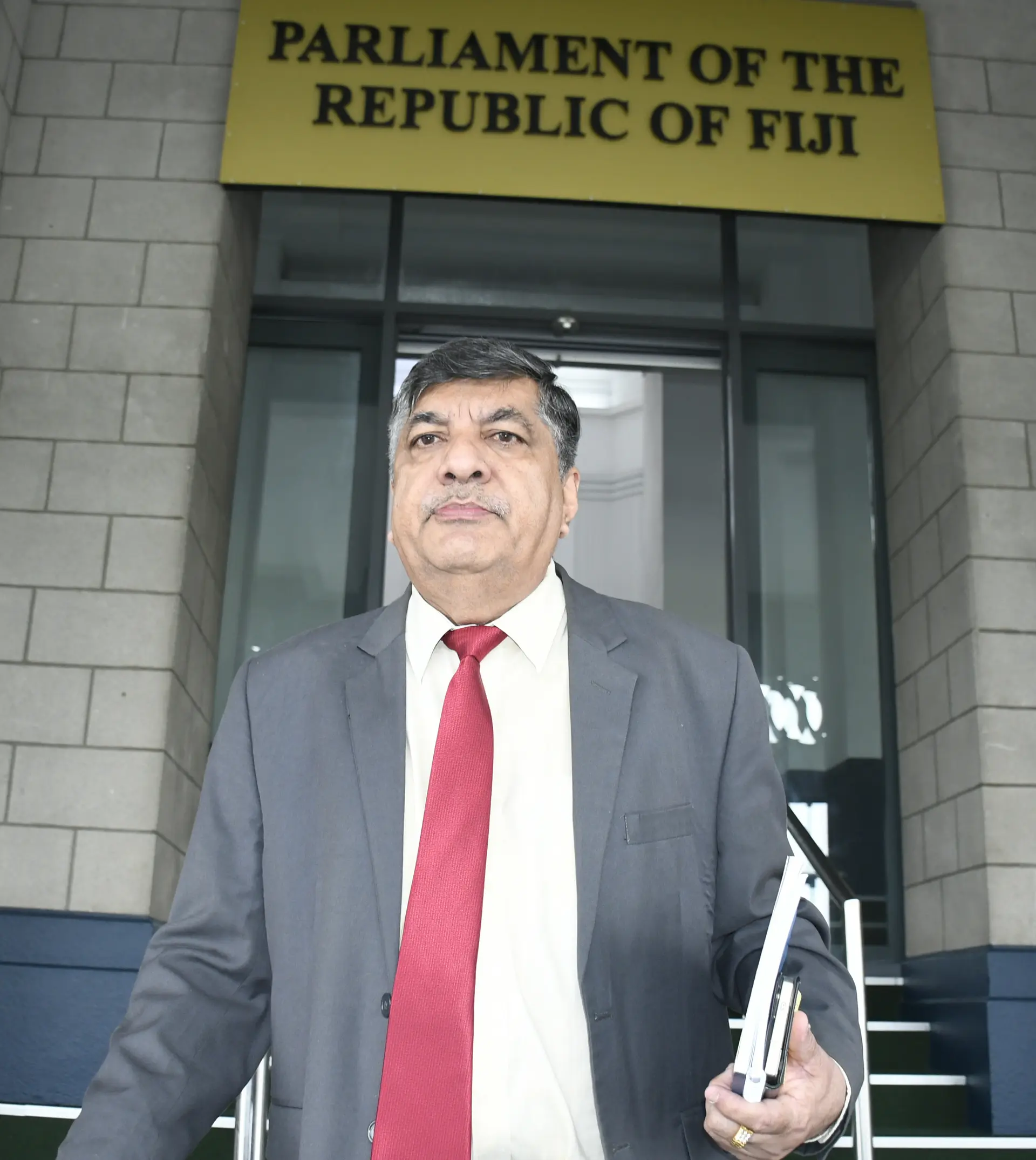
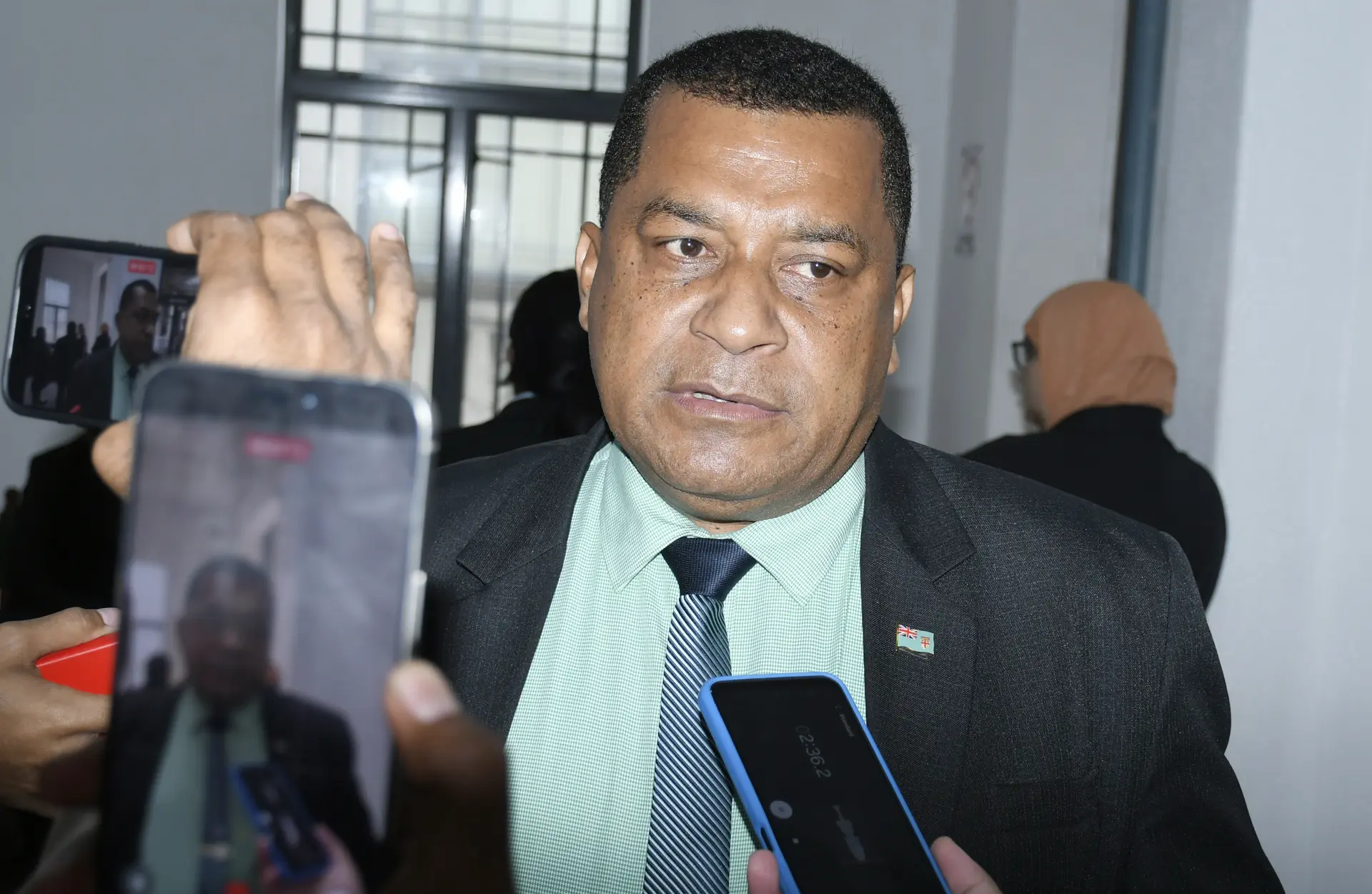
Opposition Member of Parliament Alvick Maharaj has called for meaningful reform in the fuel supply chain, claiming the Government has failed to address the root causes of the high cost of living driven by rising fuel prices.
Mr Maharaj said the Government’s relief measures did not tackle the underlying issues behind increased fuel costs.
While he acknowledged Prime Minister Sitiveni Rabuka’s announcement last week on fuel usage control as a step in the right direction, Mr Maharaj said it fell short of delivering tangible relief to Fijians and businesses.
Related stories
“These measures remain surface‑level interventions that do little to cushion the blow of rising global costs,” he said.
Mr Maharaj said the Government should instead consider structural tax relief.
“We call for a temporary reduction in value added tax (VAT), duty and surcharges on fuel,” he said.
He said consumers should receive at least 15 to 20 per cent direct relief on fuel.
“For consumers, it would provide an immediate and direct increase in disposable income, putting money into the pockets of families struggling with the daily cost of groceries and transport,” Mr Maharaj said.
“For businesses, it would serve as a vital cushion against skyrocketing logistics and operational costs.
“Fiji is an import‑driven nation, and the Government has full control over domestic border charges.
“Delay the impact of source‑price increases. Government must remove hidden charges and fees on imports.”
VAT on EFL
Mr Maharaj also proposed the temporary removal of VAT from Energy Fiji Limited (EFL) bills.
“While the temporary subsidy to EFL is a welcome gesture, it is incomplete,” he said.
He said the current approach resembled a circular fiscal policy in which the Government continued to collect heavy taxes from the public, returning only a fraction as assistance.
Mr Maharaj also criticised what he described as unnecessary and extravagant Government spending.
“Mr Rabuka’s recent pivot towards decreasing spending was a clear admission that the Opposition was right,” he said.
“If the Government now admits there is room to cut waste, why was this unnecessary spending allowed to continue for the past three years?”