Over‑criminalisation will hurt essential services, WAF tells MPs
Bill 27 proposes criminal liability for unfair dismissals and wage breaches, but WAF argues such penalties could undermine urgent decision‑making during disasters.
Wednesday 11 February 2026 | 16:00
Updated 12 February 2026 | 10:44 FJT

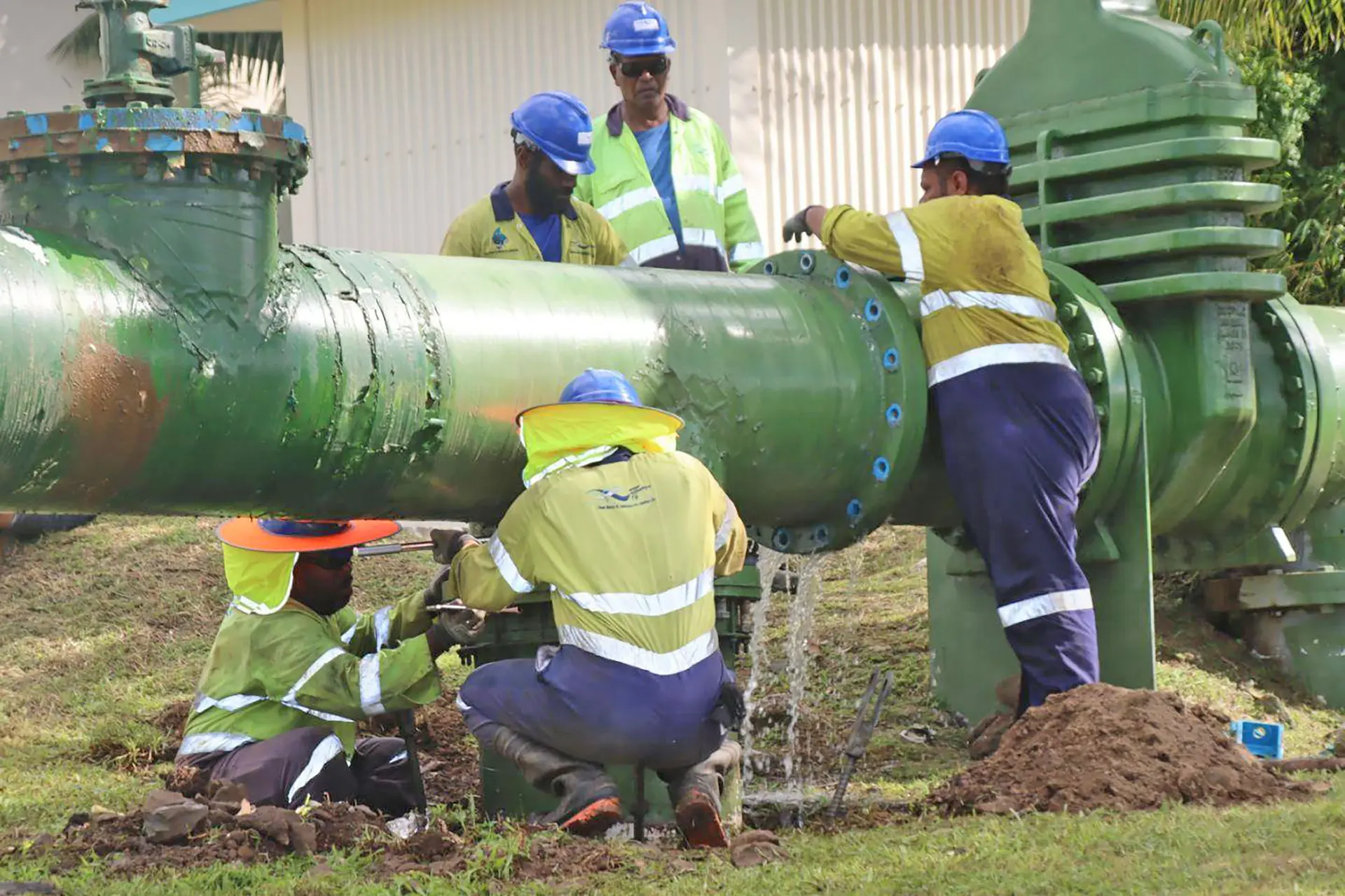
Water Authority of Fiji technicians work on supply pipes.
Photo: Water Authority of Fiji
The Water Authority of Fiji (WAF) has warned that proposed changes to the Employment Relations Act could undermine its ability to respond quickly during emergencies.
The authority says the amendments risk turning routine employment disputes into criminal matters.
Appearing before Parliament’s Economic Affairs Committee, acting chief executive Seru Soderberg said the Employment Relations (Amendment) Bill 2025, Bill No. 27, would expose essential service providers to criminal liability for decisions that are currently handled through civil processes.
Related stories
The Bill proposes 142 changes to the Act, including making unjustified dismissals, unfair redundancy actions, and workplace sexual harassment criminal offences.
It also introduces strict liability for wage underpayment, with penalties that could reach up to $1 million.
Mr Soderberg cautioned that criminalising dismissal decisions could weaken decisive leadership and slow down urgent operational responses.
“This converts employment disputes into criminal exposure,” he told the committee. “Civil remedies already exist and are sufficient.”
He said while WAF supports strong accountability, criminal sanctions should apply only to “willful and egregious” breaches. Applying the same level of punishment across all employer actions, he said, is not appropriate for an essential service provider.
WAF operates critical national infrastructure, supplying water and wastewater services nationwide. During natural disasters, plant breakdowns, or public health threats, management must act swiftly — often making staffing decisions in real time.
To avoid unintended consequences, WAF proposed a tiered enforcement structure:
- education and compliance notices;
- civil penalties for repeated breaches;
- criminal prosecution only for deliberate, serious misconduct.
Committee chair Sakiusa Tubuna acknowledged the concerns, saying lawmakers must balance stronger worker protections against the operational realities of organisations and small businesses.
“We are also being mindful of the needs of corporate organisations and SMEs, because it will certainly have some effect on them,” he said.
As Parliament reviews the sweeping amendments, the debate now hinges on how to strengthen employee safeguards without over‑criminalising workplace decisions or limiting the ability of essential services to function effectively during emergencies.
Feedback: rariqi.turner@fijisun.com.fj