Police relieved no guns found in cocaine bust
Experts say absence of weapons in Tavua seizure is unusual for consignments of that scale.
Saturday 31 January 2026 | 14:30
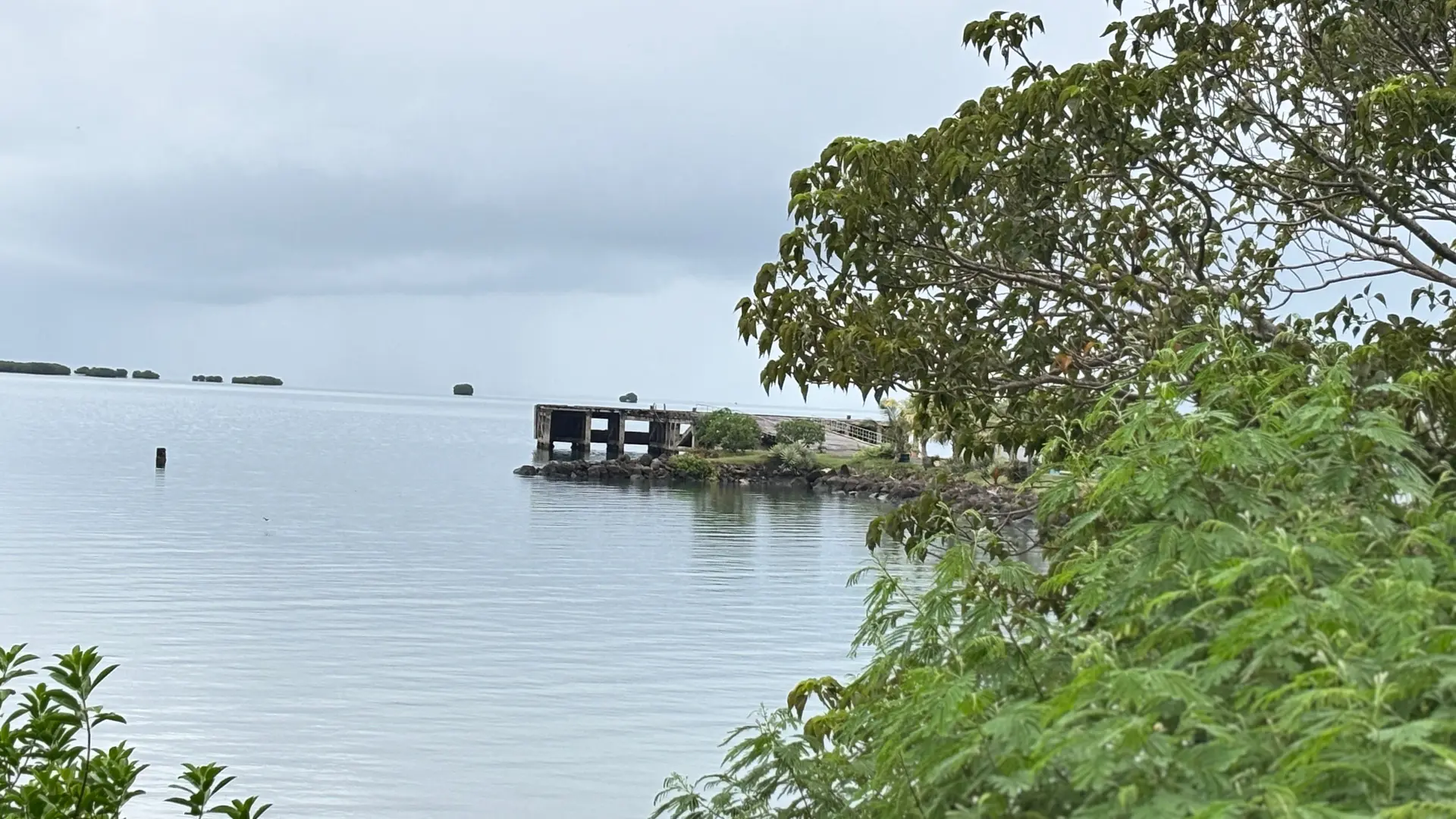
The Vatia Wharf in Tavua, on January 29, 2026.
Photo: Inoke Rabonu
Fiji's Police Commissioner is relieved that foreign nationals arrested with a large cocaine shipment in Tavua were not carrying "arms".
As experts warn, large drug consignments are often linked to armed individuals.
Commissioner Rusiate Tudravu said the absence of arms during the Vatia Wharf interception stood out, given international trends where arms frequently accompany major drug movements.
Related stories
The comments points to growing concerns that Fiji could face more dangerous and heavily armed traffickers as overseas syndicates continue using the country as a transit point.
Transnational crime expert, Associate Professor Jose Sousa-Santos of the Pacific Regional Security Hub at the University of Canterbury, said it would be unusual for shipments of that scale not to involve weapons.
Authorities had seized around 2.64 tonnes (2640 kg) of cocaine at the Vatia wharf in Tavua, on January 15.
Six men - four Ecuadorian nationals and two Fijians - were arrested and have been charged in connection with this seizure.
Police and media reports estimate the street value of the seized cocaine at about AUS$780 million (F J$1.3 billion).
There would be weapons, especially when dealing with these amounts of drugs
Associate Professor Jose Sousa-Santos of the Pacific Regional Security Hub at the University of Canterbur
"There would be weapons, especially when dealing with these amounts of drugs," Mr SousaSantos said.
He warned there could be serious consequences for those responsible for transporting the drugs if shipments fail to reach their intended destination.
"This depends on which cartels you are dealing with. Some guarantee delivery while others do not, but there are always repercussions if the drugs are seized or lost and it is considered their fault," he said.
Earlier this week, Mr Tudravu briefed members of the United States Congress on Fiji's growing exposure to transnational drug trafficking, saying the country remains a transit point for drugs moving between South America, Europe and other regions.
Mr Tudravu said Fiji does not have established drug laboratories, although there have been isolated attempts by individuals to produce small quantities of synthetic substances using information found online.
"We don't have the expertise or facilities to produce these drugs," he said.