RFMF trains for drug war, on standby for armed raids
Lieutenant-Colonel Kulavati said the military is ready to assist Police with weapons if needed.
Wednesday 25 February 2026 | 23:30
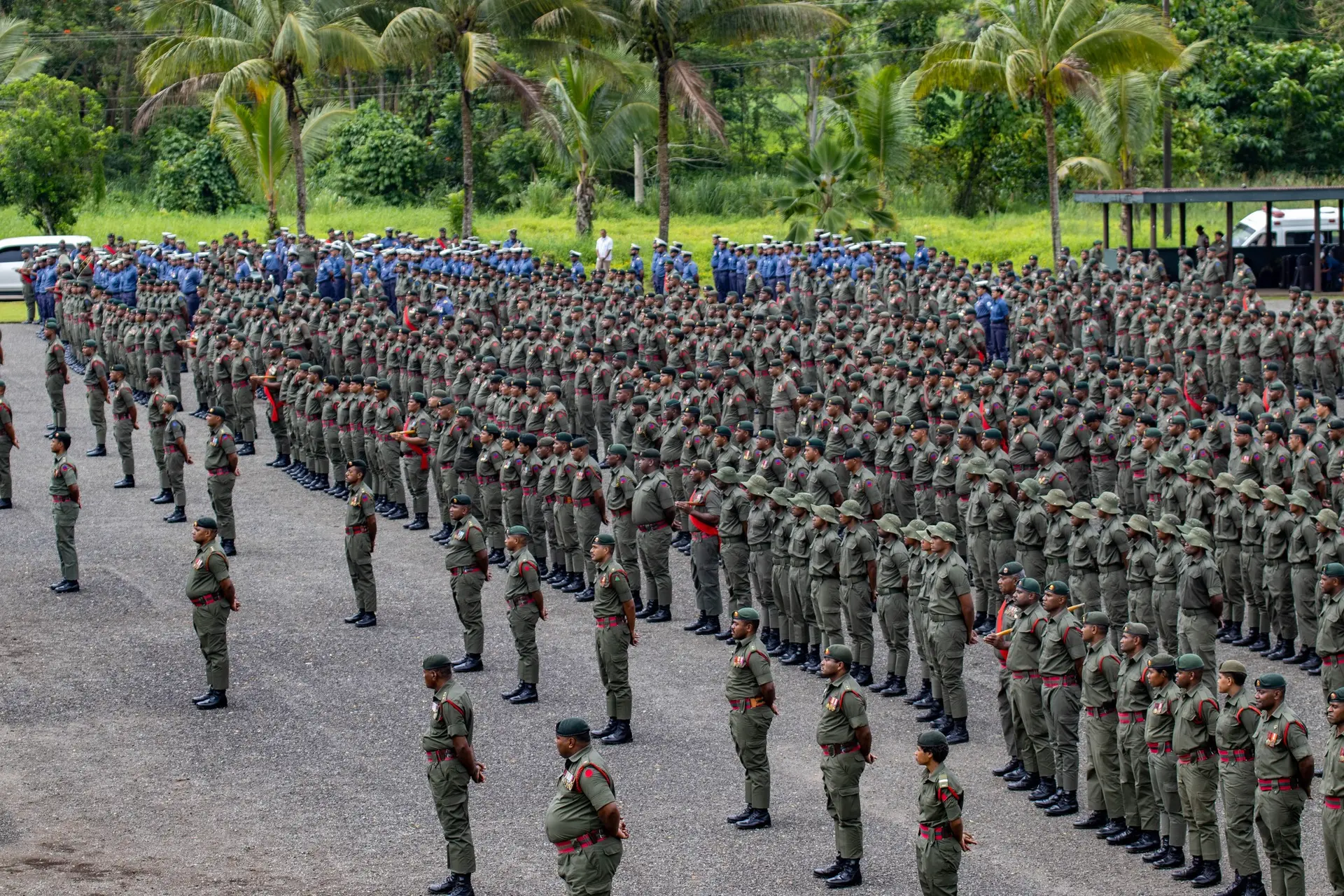
The Rebublic of Fiji Military Forces Commander's parade last December.
RFMF media
The Republic of Fiji Military Forces (RFMF) has started mission specific training to help the Fiji Police Force disrupt and dismantle trafficking strategies used by drug cartels in Fiji.
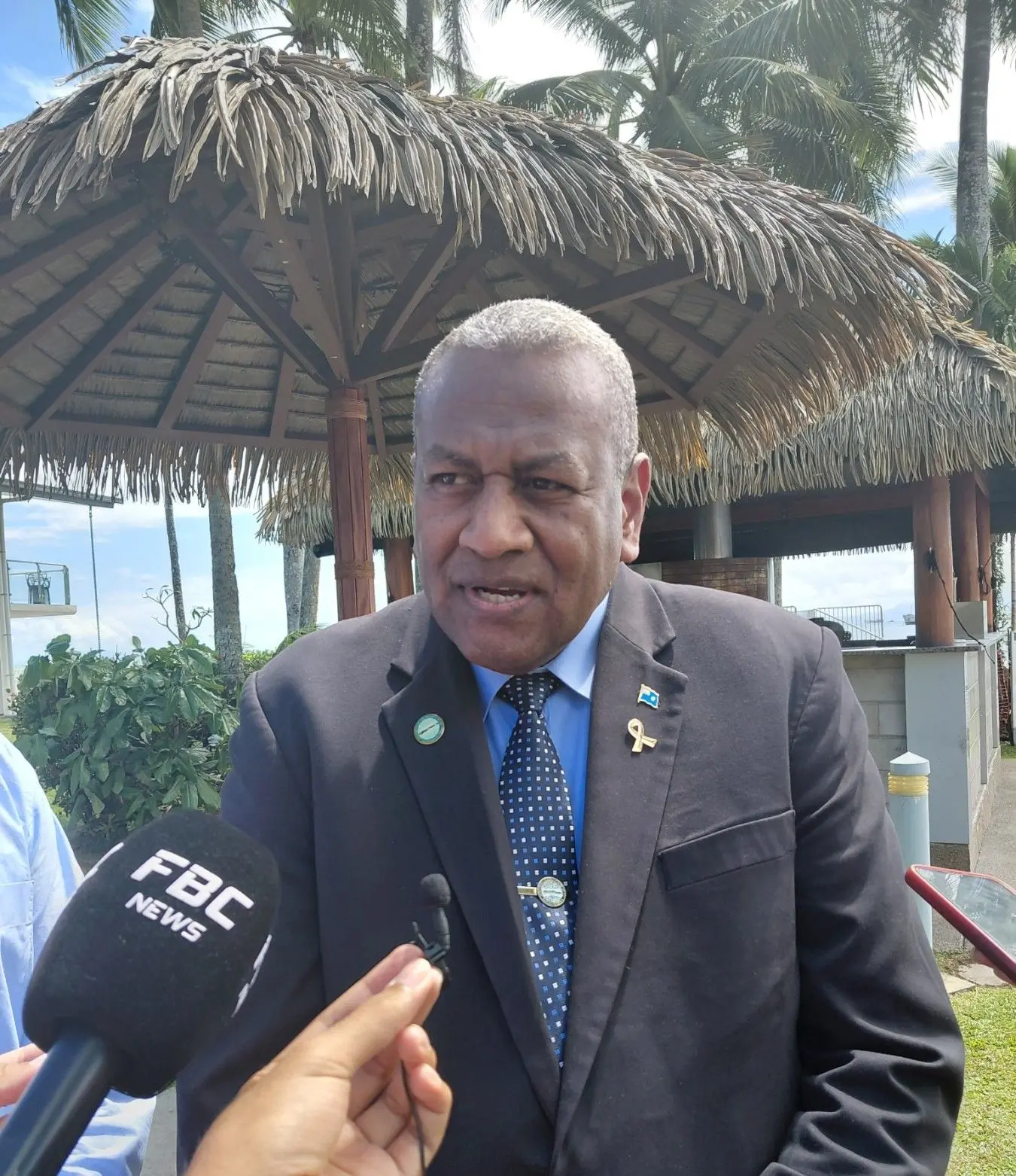
Speaking at the National Talanoa Session on Responding to Illicit Drugs in Fiji yesterday, Lieutenant Colonel Esira Kulavati said this was based on the military's assessment of outside threat, prompting the urgent need for a team to undergo training for the past two weeks.
"Conventional warfare, conventional operations, is different from other non-conventional operations, like peacekeeping. It is different when you try and tackle a threat in the hybrid domain, there's a lot of factors to consider," he said.
Related stories
"That's why we need to take our troops through that process again to make sure that they are trained in the manner that they are supposed to be in that readiness level for them to tackle this problem."
Lieutenant Colonel Kulavati also indicated the military’s readiness to help Police with the use of weapons should the assistance be required.
“...if there is good enough intelligence before the raids that there will be arms, we have teams on standby to assist Police in that regard.”
“But from what we know, there could be arms involved with these traffickers, but they do not have it to be used against the law enforcement or against the military because they understand if arms do pop up, it gives liberty to us to intervene.”
Military findings
Lieutenant Colonel Kulavati said based on their strategic estimate, looking at the problem in totality, institutions were compromised.
“There’s been a strategy since 2023, for the next five years to 2028, we’ve established the Counter Narcotics Bureau. So why are these measures not addressing the problem of narcotics?
“Most of our institutions are compromised because we do not have that measures in place that ensures, that enhances integrity.”
He said vetting processes such as lifestyle audits, how people spend their income, needed to be implemented to protect the integrity of institutions.
Lieutenant Colonel Kulavati also raised the military’s concern that if there was no political will, then Fiji would not be able to generate more aggressive, robust response to the drug problem.
“As of now, in the next three to five years, Fiji is prone to becoming a semi-narco state.
“We need the means, we need resources, we need the legislations to empower us to have more robust approach, a more aggressive manner in how we need to be dealing with this problem.”
Explore more on these topics


Advertisement
Advertise with Fiji Sun