Several top predator fish wiped out, WWF warns of marine crisis
High fishing pressure and overexploitation causing decline, WWF Pacific says
Friday 13 March 2026 | 11:00
Updated 13 March 2026 | 13:07 FJT

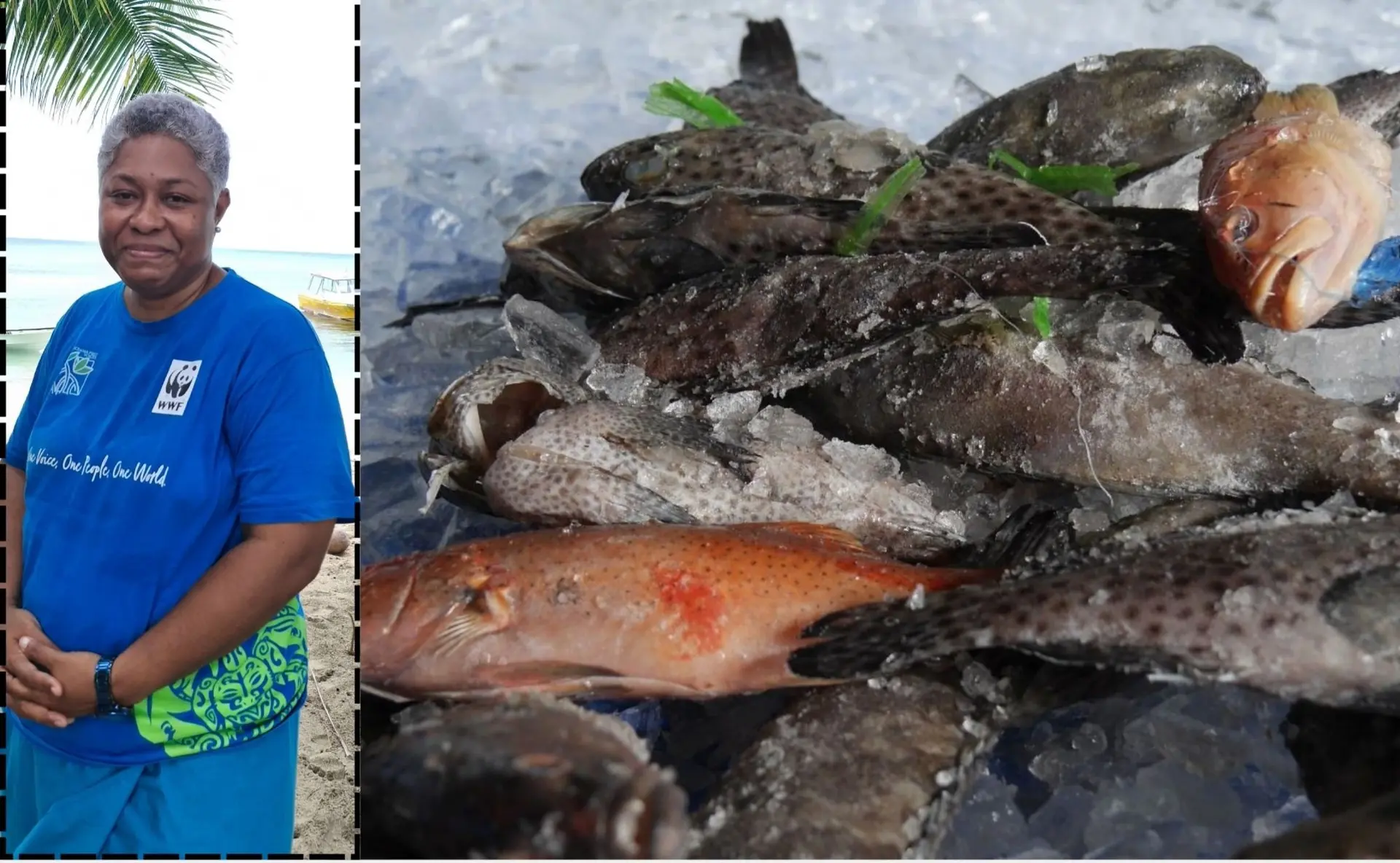
World Wide Fund for Nature (WWF) Pacific Great Sea Reef programme manager, Margaret Tabunakawai Vakalalabure.
Photo: Supplied
Several top predator fish species have reportedly been wiped out.
This revelation by the World Wide Fund for Nature (WWF) Pacific Great Sea Reef programme manager, Margaret Tabunakawai Vakalalabure, raises alarm over the health of marine ecosystems.
Species including sharks and large “A-grade” fish such as Saqa, Donu, and Kawakawa have also dramatically declined in population.
Related stories
She said the decline was attributed to high fishing pressure and overexploitation.
“This decline disrupts marine ecosystems and alters food webs,” Ms Vakalalabure said.
“Our seagrass and seaweed are eaten by herbivorous fish, which are then preyed upon by carnivores. When top predators disappear, the impact is felt throughout the system.”
Ms Vakalalabure said the loss of these species not only threatens biodiversity but also affects communities who rely on fishing for income and food.
She called for sustainable management of fishing licences and community responsibility to protect resources for current and future generations.
She said the surveys highlight the urgent need for community responsibility in fisheries management.
“The impact of allowing too many fishermen to obtain licences,and taking more than they need, will eventually lead to declines in fish populations,” Ms Vakalalabure said.
“This is a management issue that cannot be handled by NGOs alone.”
She stressed that while iQoliqoli areas are state-owned, the right to use them belongs to the people, who must manage resources sustainably.
WWF is working to raise awareness among local communities about the consequences of overexploitation, emphasising that protecting marine life is essential not only for the environment but also for the livelihoods of future generations.








