Substance abuse allegations surface during hearing on Employment Relations (Amendment) Bill
Shipping boss says intoxicated seafarers are turning up for duty as he calls for urgent legal reforms to strengthen safety at sea.
Wednesday 11 February 2026 | 08:30
Updated 11 February 2026 | 10:09 FJT

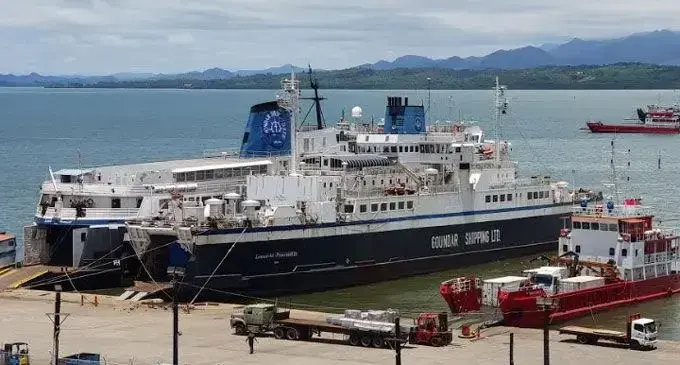
Allegations of drug and alcohol abuse among seafarers employed by Goundar Shipping have raised serious concerns about passenger safety, with the company’s owner warning MPs that gaps in the law and weak enforcement could cost lives at sea.
The concerns were raised during a Standing Committee on Economic Affairs hearing into submissions on the Employment Relations (Amendment) Bill, which proposes major changes to Fiji’s labour laws, including tougher penalties and expanded powers for labour inspectors.
Shipping operator George Goundar told the committee that substance abuse was a major and persistent problem in the maritime industry.
Related stories
“Drug and alcohol abuse is the biggest thing in their shipping industry,” he said.
Mr Goundar said he had recently dismissed crew members who reported for duty while intoxicated, recounting a recent incident.
He said around 7am that morning, two crew members arrived at work heavily intoxicated.
“They came in at two o’clock and by eight o’clock, they were still fully drunk,” Mr Goundar said.
“On Saturday last week, a captain tried to wake them up, they couldn’t.”

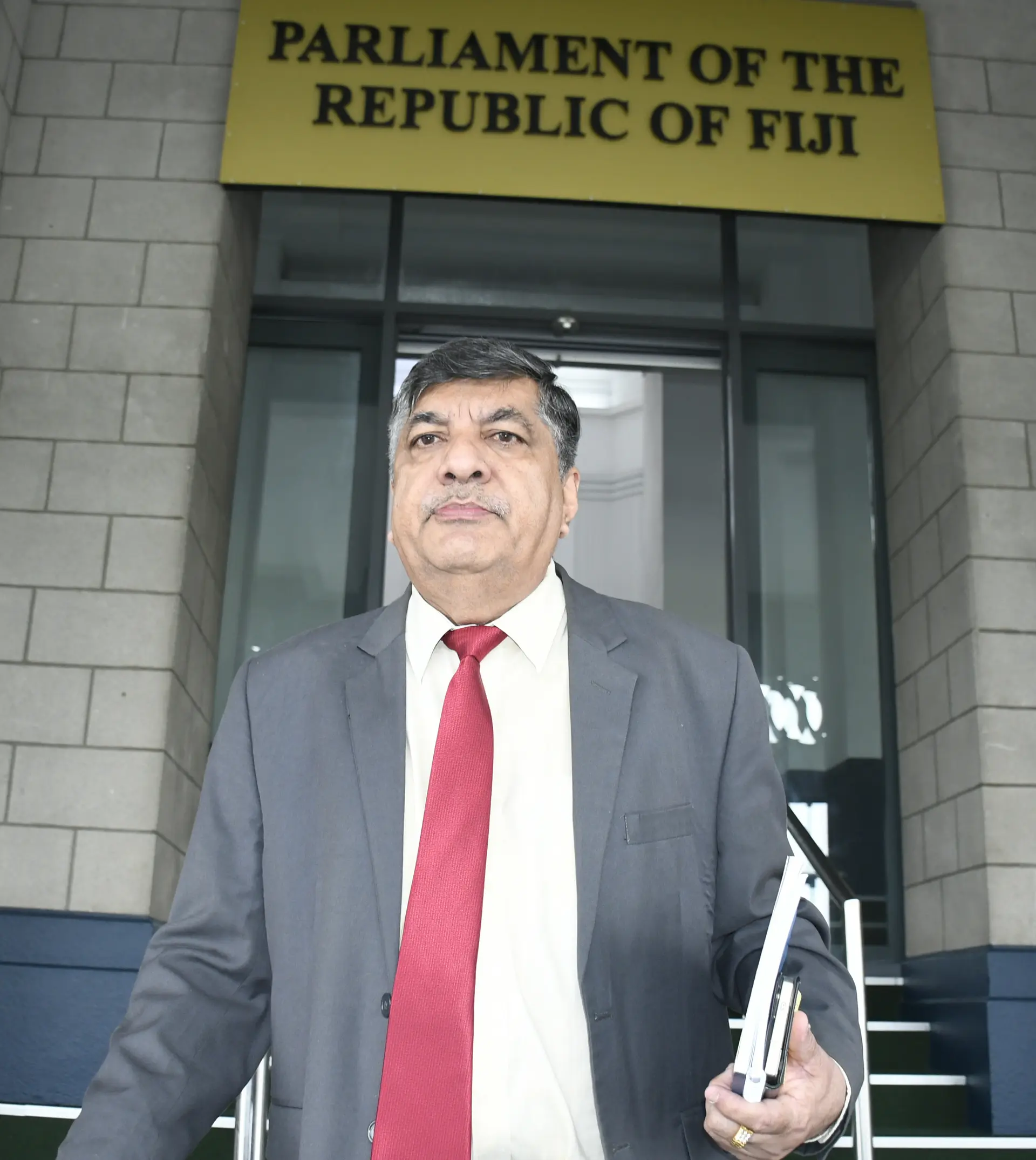
Shipping operator George Goundar
Photo - Parliament of Fiji
Mr Goundar said such incidents posed serious risks to passengers, cargo and crew, adding that existing legal gaps meant there was little recourse when intoxicated seafarers were allowed to sail.
Opposition MP Premila Kumar said the allegations pointed to broader public safety concerns.
“If there are gaps in the law, then those gaps must be addressed,” Ms Kumar said, stressing that worker protections should not come at the expense of passenger safety.
Meanwhile, Maritime Safety Authority of Fiji (MSAF) senior legal officer Tui Kilakila said maritime operations were already governed by domesticated Standards of Training, Certification and Watchkeeping (STCW) regulations.
“We are working with the Ministry of Employment to include what is relevant within the ERA so that we have one consolidated point of reference when it comes to workers’ welfare,” he said.
Mr Kilakila said STCW rules required at least 10 hours of rest within a 24-hour period and limited working hours to a maximum of 14 hours spread over two periods, which currently serve as the primary benchmark for seafarers’ working conditions.
Industry representatives say while the Employment Relations (Amendment) Bill aims to strengthen worker protections, urgent action is needed to prevent unsafe practices at sea, warning that intoxicated crew members can place lives in immediate danger.