‘The stick works’, says FTA as corporal punishment debate deepens
Speaking during an interview yesterday, Mr Manumanunitoga said the mere presence of a stick acted as a deterrent.
Wednesday 28 January 2026 | 07:00

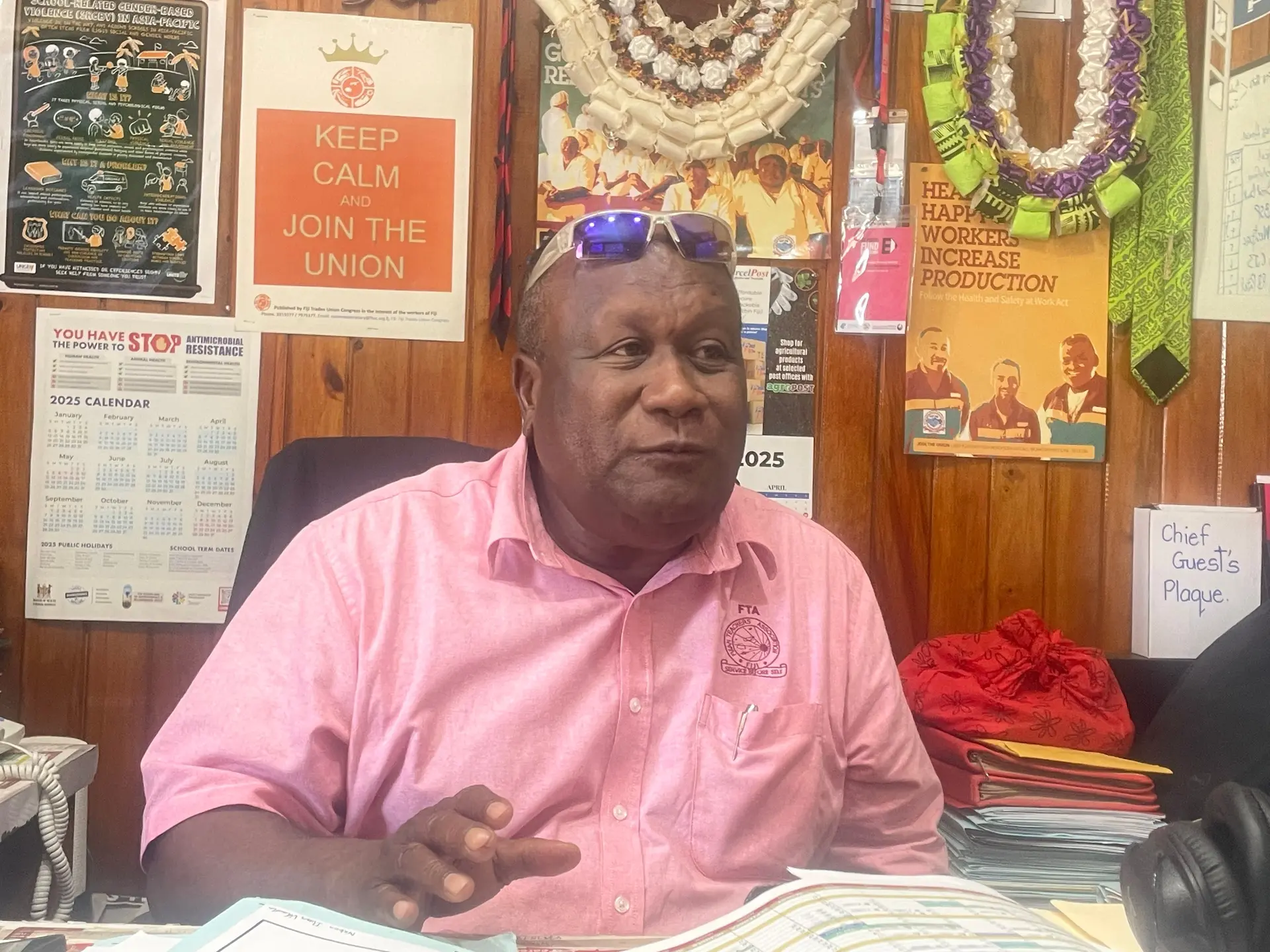
Fijian Teachers Association general secretary Paula Manumanunitoga.
Photo: Rariqi Turner
The national debate over corporal punishment in schools has resurfaced after the Fijian Teachers Association (FTA) defended the use of physical discipline, pushing back against the Fijian Teachers Union (FTU), which says it does not condone the practice.
FTA general secretary Paula Manumanunitoga said corporal punishment remained an effective tool for maintaining discipline and preventing bullying in classrooms.
Speaking during an interview yesterday, Mr Manumanunitoga said the mere presence of a stick acted as a deterrent.
Related stories
“The moment a stick is placed on the table, students know the limits,” he said, claiming classrooms remained quiet and orderly even when teachers stepped out.
Without corporal punishment, he argued, discipline quickly broke down.
His comments followed statements by the FTU rejecting corporal punishment and aligning its position with child protection principles and laws that prohibit physical discipline in schools.
Mr Manumanunitoga said Fiji lacked decisive leadership on education issues.
“We don’t have quality leaders in Fiji to make tough decisions,” he said.
He called for a nationwide referendum to determine whether corporal punishment should be abolished or retained.
“We must take this issue to the lowest level — villages, squatter settlements, islands and rural communities — and hear what the people say,” he said.
Mr Manumanunitoga argued that discipline practices should be considered within Fiji’s cultural and social context, particularly in Indigenous communities where child-rearing has traditionally involved collective responsibility.
As the debate continues, attention is expected to turn to how authorities respond to the growing divide between teachers’ unions and wider concerns around discipline, child safety and students’ rights within Fiji’s education system.