FCCC backs strong regulation to drive transport decarbonisation
Ms Vonoyauyau said decarbonising transport was not merely a technical exercise but a long-term, systematic transition requiring the right mix of infrastructure, technology and market readiness.
Thursday 15 January 2026 | 17:00
Updated 15 January 2026 | 19:18 FJT

Clear and effective regulation is critical to transforming Fiji’s transport sector and advancing decarbonisation efforts, according to the Acting General Manager Regulatory at the Fijian Competition and Consumer Commission (FCCC), Akeneta Vonoyauyau.
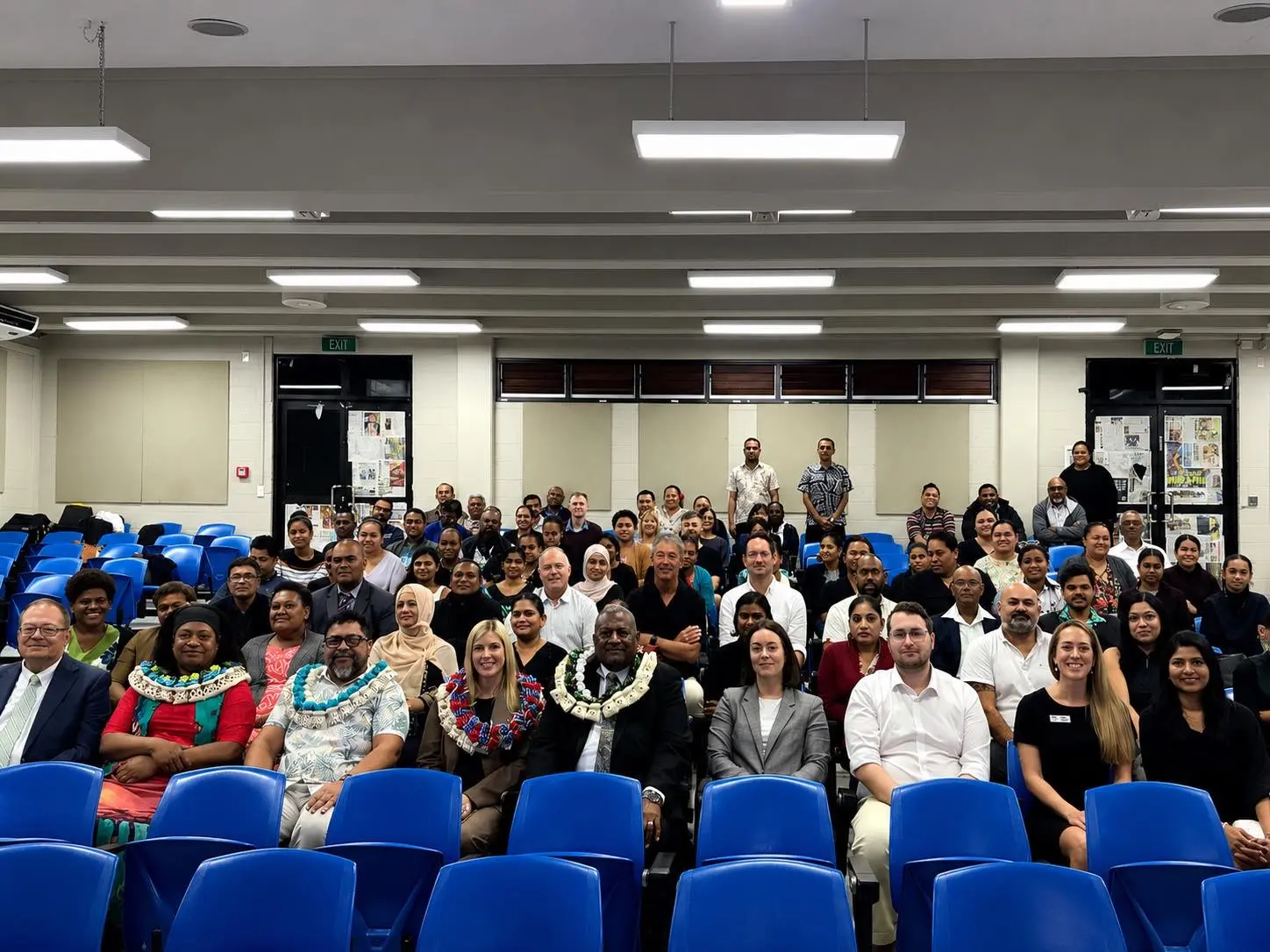
Speaking at the National Transport Forum, Ms Vonoyauyau said decarbonising transport was not merely a technical exercise but a long-term, systematic transition requiring the right mix of infrastructure, technology and market readiness.
“Transformative change of this scale does not happen without clear regulation. You need investor confidence, and regulation plays a key role in creating that certainty,” she said.
Related stories
Ms Vonoyauyau highlighted the FCCC’s expanding role across multiple sectors, noting that while the commission is commonly associated with consumer protection, it also promotes effective competition, guards against restrictive trade practices and regulates prices in monopoly markets.
In the maritime transport sector, the FCCC regulates domestic passenger fares and freight charges for general cargo under the FCCC Act. She said Section 39 of the Act allows the commission to make recommendations to the line minister when government intervention is required in the public interest.
“The Fijian market is small and competition is limited, which is why regulatory oversight is necessary in certain sectors,” she said.
She said regulation in maritime transport was guided by three core principles — accessibility, affordability and sustainability — to ensure services remained available to all Fijians, particularly those in maritime and island communities.
Ms Vonoyauyau said the FCCC also played a key role in consumer protection, addressing unfair trade practices and ensuring businesses operated honestly and transparently.
“Our responsibility is to protect consumers while ensuring service providers operate in a sustainable way,” she said.
She said the commission’s regulatory work included market and business assessments, as well as public consultations involving stakeholders and interested groups.
On the regional and international front, Vonoyauyau said the FCCC had strengthened its engagement through networks such as the Pacific Competition and Consumer Regulation Alliance, established in 2023, the Office of the Pacific Energy Regulators Alliance, and global bodies including the Organisation for Economic Co-operation and Development (OECD) and the International Consumer Protection and Enforcement Network.
However, she acknowledged ongoing challenges within the transport sector, including high operating costs, affordability issues, service reliability, infrastructure gaps and investment constraints.
“Reliability is not just about schedules. Information must be accurate, and passengers should not be left waiting for hours,” she said.
Ms Vonoyauyau said the FCCC would focus on strengthening its data and regulatory intelligence, improving transparency, supporting industry stakeholders and enhancing collaboration with other enforcement agencies.
“This is about improving service delivery and ensuring our transport systems are sustainable, affordable and fair for all,” she said.