Transnational criminals outpacing Pacific law enforcement
Pacific nations must strengthen laws, intelligence, and coordination to tackle drug trafficking, human trafficking, and financial crimes.
Tuesday 09 December 2025 | 10:00
Updated 09 December 2025 | 14:04 FJT

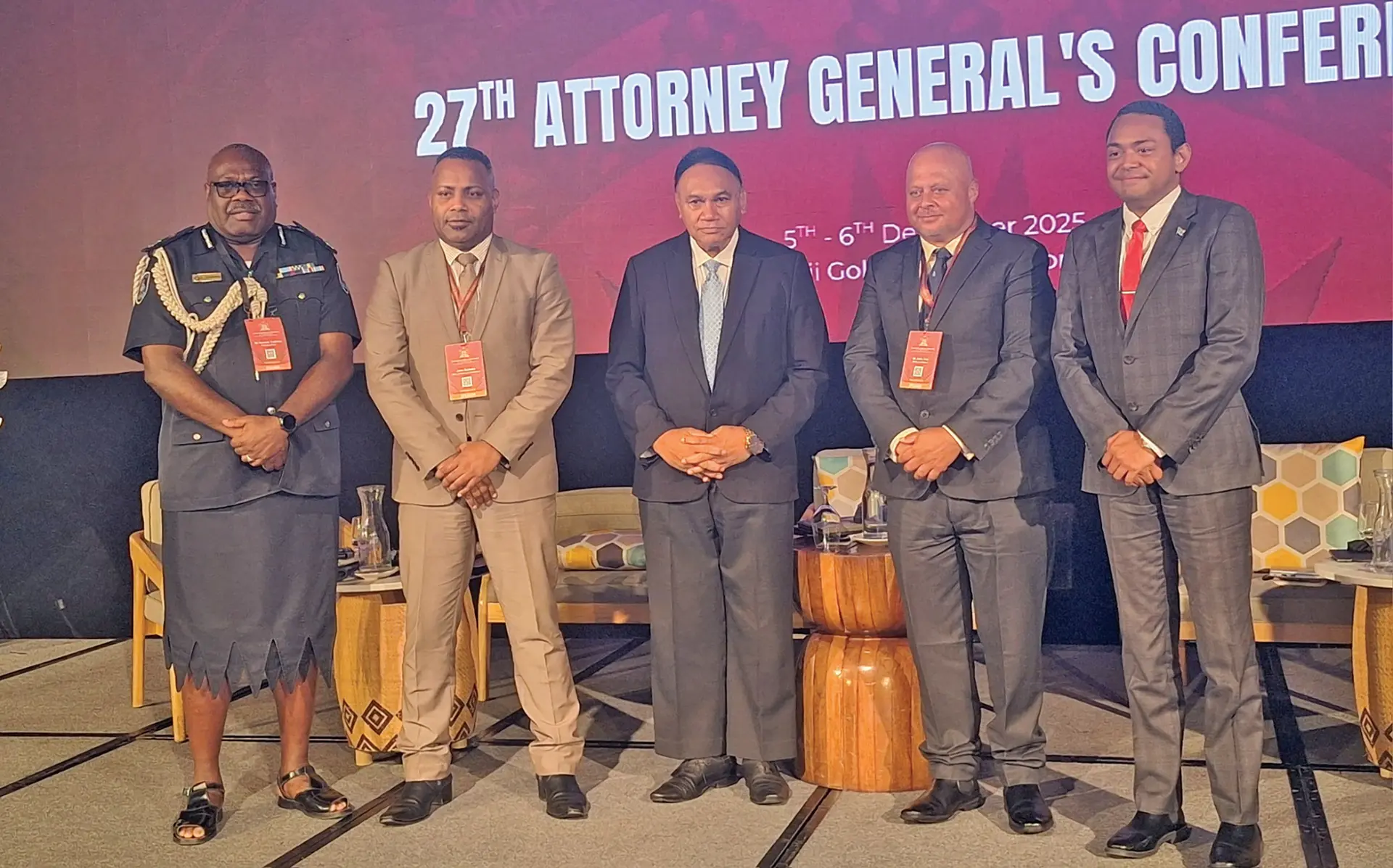
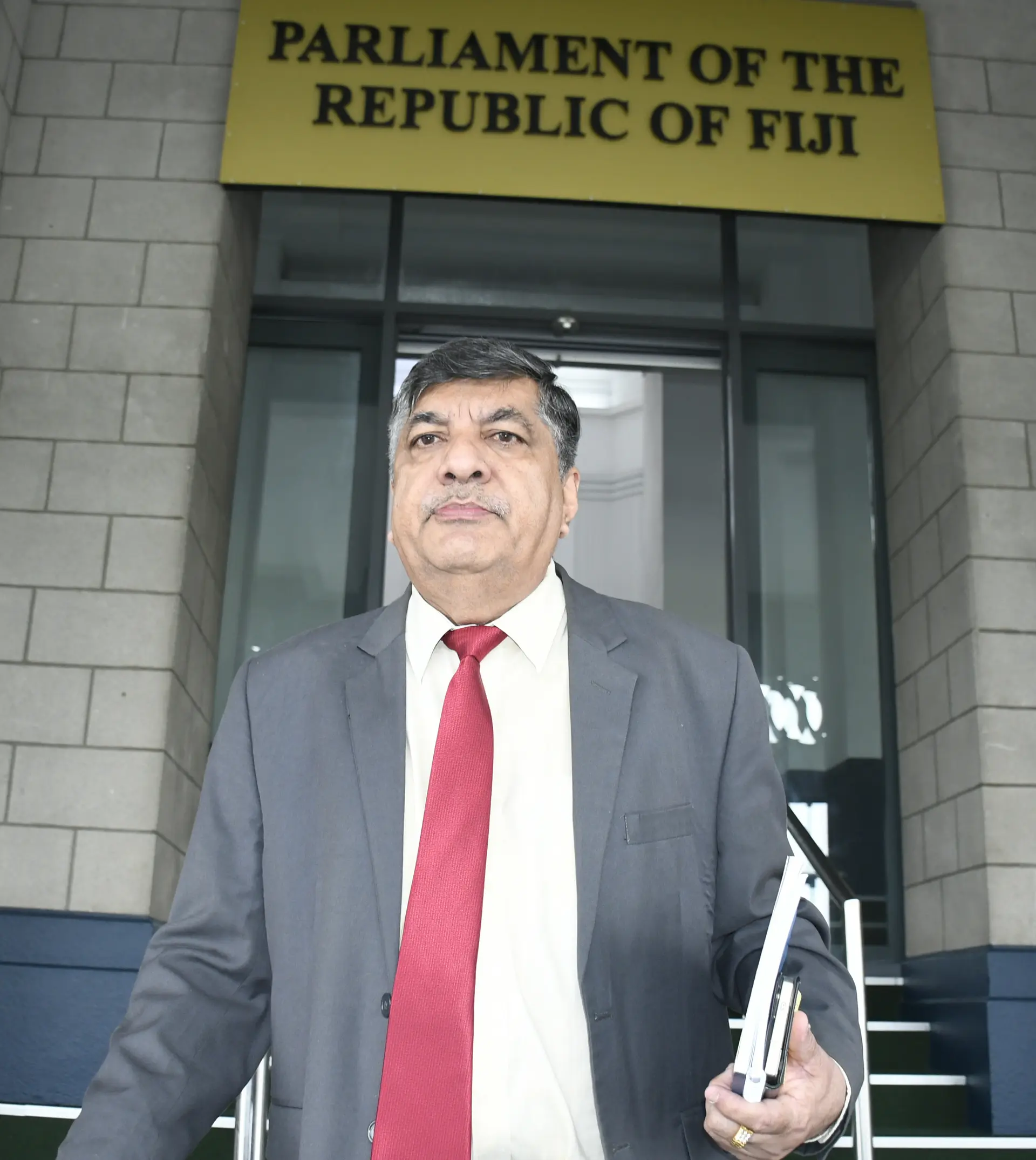
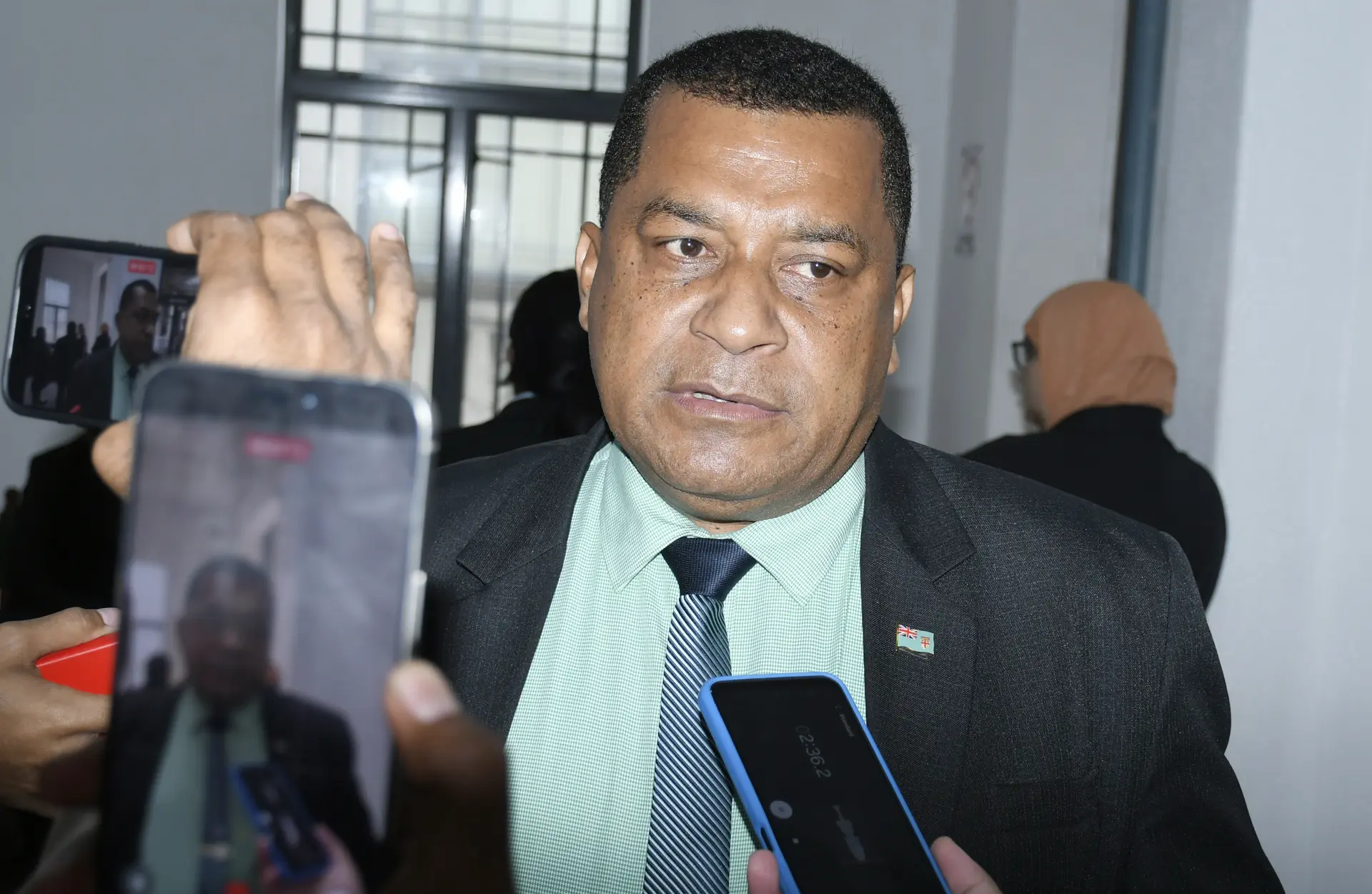
From left: Police Commissioner Rusiate Tudravu, Deputy Director of Public Prosecutions John Rabuku, Vanuatu Supreme Court Justice Josaia Naigulevu, Maritime Security consultant John Fox, and Attorney-General’s Office senior legal officer Tevita Cagilaba.
Photo: Katherine Naidu
Transnational criminals are exploiting legal gaps faster than Pacific states can close them, Vanuatu Supreme Court Justice Josaia Naigulevu warned.
He said this at the 27th Attorney-General’s Conference at the Sheraton Fiji Golf and Beach Resort in Denarau last weekend.
“The Pacific is now at a worrying inflection point as illicit profits generated from drug trafficking, human trafficking, and other organised crime networks are moving seamlessly across borders,” Justice Naigulevu said.
Related stories
“Denying criminals their illicit profits is the key to disrupting these enterprises,” he added.
Speaking on Jurisdiction Challenges in Cross-Border Asset Recovery, Justice Naigulevu said criminal organisations are becoming increasingly sophisticated, using technology, cryptocurrency, and complex financial structures to hide assets.
He stressed that Fiji and its neighbours must match this sophistication with stronger laws, better coordination, and consistent asset recovery practices.
“We cannot disrupt organised crime unless we remove the profit motive. When we strip away their earnings, we dismantle their operations,” he said.
Justice Naigulevustressed the urgency for Pacific states to strengthen investigatory powers, build financial intelligence capacity, and ensure law enforcement agencies are properly resourced.
“The ability of agencies to trace and identify illicit profits is absolutely critical,” he said.
He also highlighted challenges posed by double jeopardy risks, conflicting jurisdictions, and differing legal systems that often complicate international cases. Mutual legal assistance, he said, must be strengthened through treaties, clear protocols, and stronger bilateral relationships.
Urging Fiji to prioritise asset recovery, Justice Naigulevu recommended beginning with consistent enforcement in smaller cases to build confidence and capability. He further suggested exploring the establishment of a Pacific-wide legal cooperation institution similar to Europe’s Europol. “It would provide a vital point of contact for practitioners and strengthen collaboration across borders,” he said.
“Organised crime is moving quickly, so our response must move faster,” he added, stressing that regional unity, effective intelligence sharing, and strong domestic laws are the best defence against transnational criminal networks.