Women divided over Kava restrictions in Macuata district
Advocates say the ban prioritises child-rearing, while critics call it a restriction on women’s freedom.
Tuesday 24 March 2026 | 07:00

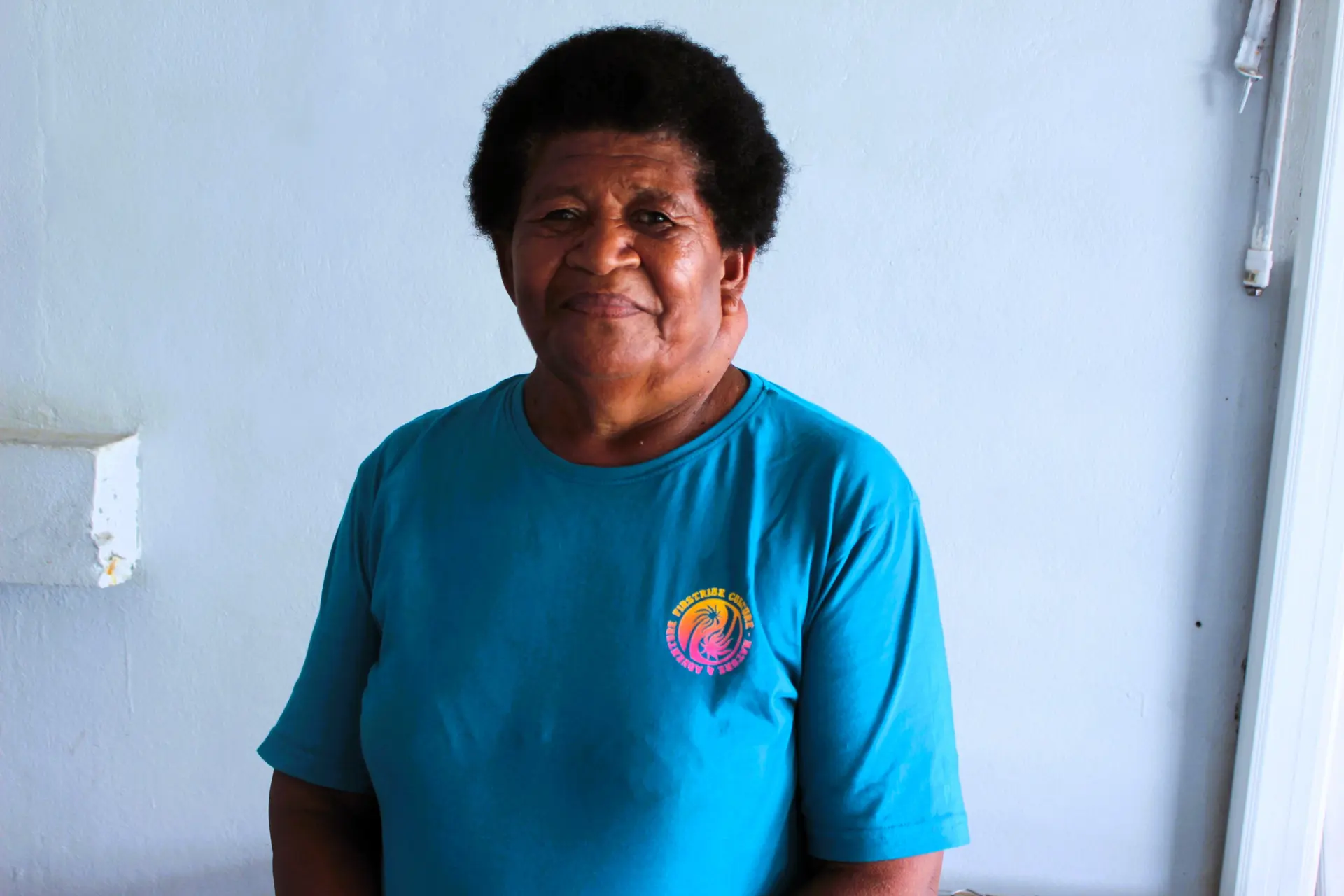
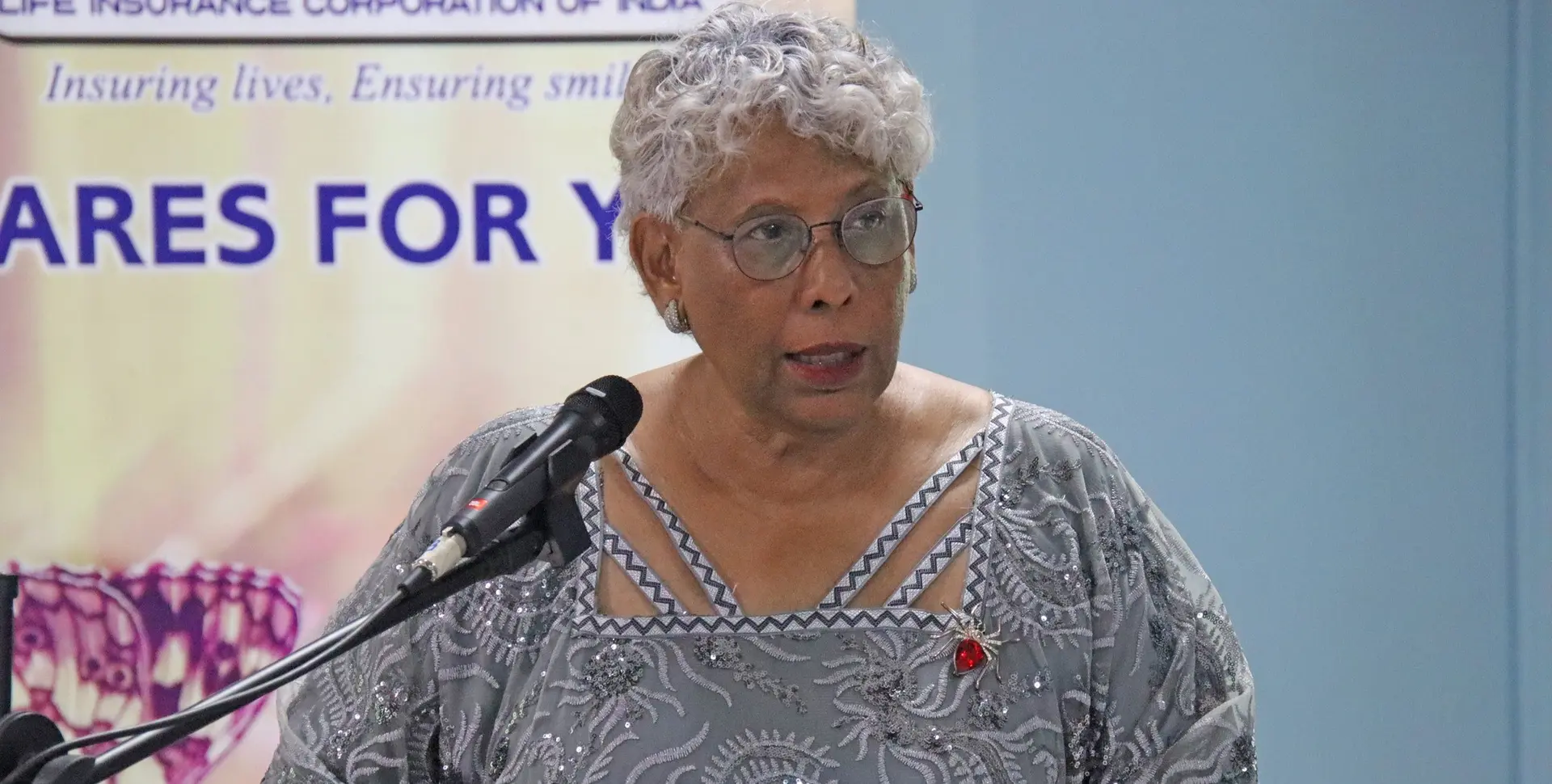
Akisi Vinaka during a multi-ethnic event in Labasa on March 23, 2026.
Photo: Sampras Anand
The recent ban on women consuming kava in the Vanua o Qoibau in Macuata has drawn mixed reactions from women in the North.
A former school manager and women’s advocate, Akisi Vinaka said the ban helped women prioritise child-rearing and household responsibilities.
She said the vanua knows what is best for its people and how to maintain their way of life, rather than relying on perceptions from outsiders who speak about equality without proper reasoning.
Related stories
“Nowadays, parents are seen consuming kava in the community hall while children are lagging behind in their studies and growth because of insufficient parental guidance and supervision,” she said.
Ms Vinaka, who resides in the Nadogo district, echoed her support for the vanua despite growing criticism on social media about women being banned from kava consumption within village boundaries.
The ban, which applies to villages including Namoli, Galoa, Nakorowiri, Vunimoli, Nubunikavula, Batinikama, and Waikisi, also includes restrictions on alcohol, loud music, and inappropriate clothing.
Ms Vinaka said the vanua had the authority and understanding of which specific village by-laws work effectively in addressing behaviour and attitudes.
However, she said men, especially fathers, played a vital role in ensuring violence and ruthless behaviour were contained.
“Men should consume kava to a certain limit, and unnecessary kava consumption should be avoided,” Ms Vinaka said.
She said when men consumed kava beyond their limits, their work productivity decreased, negatively impacting their income and daily living.
Ms Vinaka said women should not consume kava and should focus more on child-rearing and motherly responsibilities.
She said child supervision and development should be prioritised by mothers rather than spending time consuming kava.
Conversely, religious leader Nirmala Devi argued the ban undermines women’s freedom to make personal choices.
“Freedom of women to act on their decisions should be promoted rather than a patriarchal decision-making process,” she said.
Ms Devi said women should not be restricted and should be allowed self-determination on whether to consume or avoid kava.
She said Indo-Fijian women also consumed kava during special functions; however, there were limits to the quantity they drank.
Ms Devi said women also had a social life, which they should be allowed to enjoy, but family responsibilities should be handled well before they spend time with friends.
The retired teacher added that discouraging men from overnight or excessive kava consumption should be discussed among religious and community leaders to ensure men contribute to family growth rather than being seen as spectators.
Traditional leader of the Vanua o Qoibau, Ratu Manoa Tuiwainikai, said Minister for Information Lynda Tabuya had wrongly interpreted the Tabu ni Vanua towards women.
Ratu Manoa clarified the ban is rooted in concerns over family welfare and not in restricting women’s roles in the community.
He said the main purpose of the grog ban against women was not patriarchal in nature, but due to increasing family problems caused by overnight excessive kava consumption by women.
“These steps are also to mitigate lasa i tuba (adultery) involving women,” he said.
When questioned about the legality of these by-laws, Ratu Manoa said the Lawa ni Qoibau ensured the rules were made in line with provisions under the Fijian Affairs Act Cap 120 and the Tikina/Village Regulations 1996.
He added that adherence to these by-laws by villagers would ensure proper behaviour, promoting positive attitudes and actions among vanua members.
Ms Tabuya had described the decision of the vanua as: “What planet does this Vanua of Qoibau live in? A blanket ban would be fair, but to target women — this discrimination is totally unacceptable.”