Editorial: A Ray of Hope For Fijian Melanesians
The descendants o f indentured Melanesian plantation labourers who arrived i n Fiji between 1865 and 1911 from the Solomon Islands and Vanuatu.
Thursday 25 January 2024 | 09:00
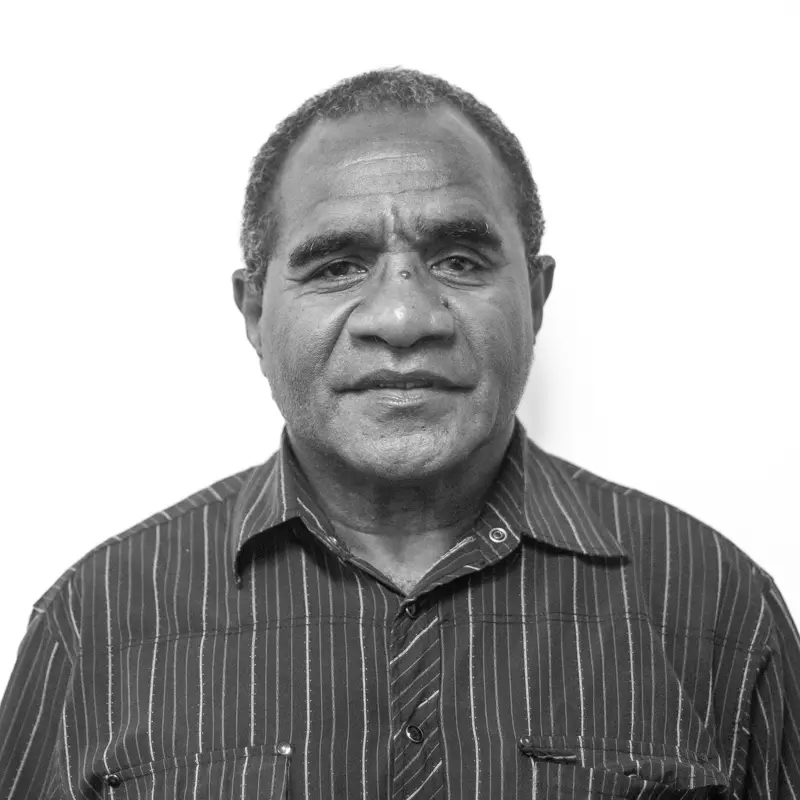

In the book, 'Living On The Fringe: Melanesians in Fiji,' retired Anglican bishop and academic, Reverend D r Winston Halapua, described the enduring struggles of Fijians with Melanesian roots.
The descendants o f indentured Melanesian plantation labourers who arrived i n Fiji between 1865 and 1911 from the Solomon Islands and Vanuatu.
They have lived w i t h ongoing marginalisation, evolving from a vital labour force to an increasingly invisible community to both the government and employers.
Related stories

Paid Advertisement | January 2024
Since their arrival i n the 1800s, this minority group has consistently sought recognition i n the land they helped develop-Fiji. However, the cries o f the Melanesians have not gone unnoticed, thanks to the efforts of two o f their own who are now Members of Parliament - Assistant Minister Sakiusa Tubuna and wheelbarrow boy/journalist-turned-FijiFirst Opposition member Aliki Bia.
M r Tubuna, during an official visit to Melanesian communities on Ovalau Island, specifically Wainaloka, announced Government's commitment to formalising Melanesian settlements i n Fiji.
This groundbreaking initiative aims to provide these communities w i t h land ownership, a formal identity, and acceptance as true Fijians.
"Government is progressing well i n our efforts to bring about changes. One major initiative is the consultation on the formalisation of Melanesian settlements in Fiji.
This is a significant step forward for us all," M r Tubuna said.
Echoing the historic initiative, M r Bia stressed the importance o f the move, saying, "Our population continues to grow after we came during the blackbirding era, and we have about 40 communities dispersed across Fiji.
The idea to formalise Melanesian settlements is our milestone achievement."
The Melanesians, who were the first indentured labourers forcefully brought to Fiji during the Colonial era, have faced a history of exploitation and exclusion despite their contributions to Fiji's progress.
Their poignant song relates their forced labour and the struggles they faced.
'Lei tei dalo ko tamaqu, Lei qoliqoli ko tinaqu. Au ga ki Serea.
Votu mai na sitimi ni meli, Sa qai voce mai na velovelo, Na velovelo me daru mai Zele Zele.'
(My father went to the taro plantation, My mother went fishing.
I am going to Serea, I can hear the steamship afar.
A small punt came ashore, We sailed and sailed away from home.)
Despite outwardly appearing Fijian and intermarrying with Fijian families, they have been denied entitlements to land, social programmes, and acceptance into the Fijian heritage system.
D r Halapua, M r Tubuna, M r Bia, and the Melanesian community now look to Government w i t h hope that they w i l l be officially accepted as part o f the extended Fijian family.
As the nation progresses into modernisation and solidifies its position as a regional hub, there is optimism that the Melanesians' long-standing plea for rights, recognition, and accommodation into the Fijian heritage system w i l l finally be answered.
The hope is succinctly captured i n the lyrics o f renowned Melanesian singer Jale Mareau: 'Melanesia, Nai soqosoqo au lewena. Au vaqaqara vanua voli.
Turaga ni lomani au mai. Kerea meu i e ke.' (Melanesia, The group that I belong to. I am always looking
for land.
Please let me settle here)'.
Feedback: maikeli.vesikula@fijisun.com.fj








