EDITORIAL: Avoid Being A Victim of Cyber Scams, Educate Yourself
-
Saturday 08 December 2018 | 13:13
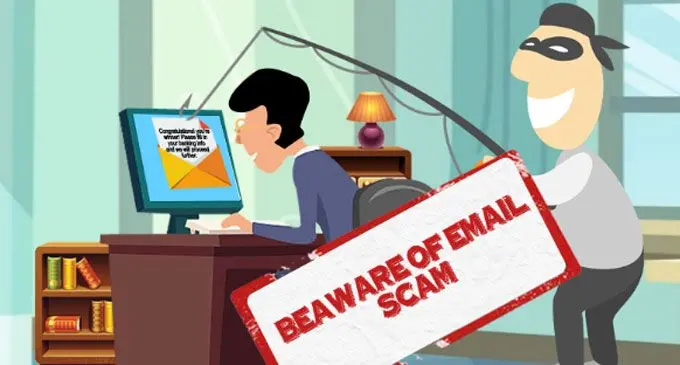
Some Fijians have lost hundreds of thousands of dollars from international cyber fraud.
The revelation by the head of the Fiji Financial Intelligence Unit comes as no surprise – as the same is happening all over the world. Con artists now have the world at their fingertips and they target countless victims – including Fijians.
And with the availability of personal information easily accessed online, it’s a scammers paradise.
Related stories
According to the Fiji FIU latest statement released on its website, the Unit has noted a rise in cases of individuals and businesses falling victim to email compromise and spoofing scams.
Email compromise involves the cyber attacker often utilising social media platform and online social engineering techniques to trick internet users into unknowingly installing malware such as a keylogger, computer virus, worm, Trojan Horse and Spyware onto their computers, workstations or wireless devices.
As a result, your personal information is compromised and stolen, including emails and other online account login credentials.
Email spoofing is the creation of email messages with a fake or look-alike email sender address to mislead the recipient about the origin of the message.
Cases reported to the Fiji FIU show that look-alike email addresses were used between local business entities and their overseas suppliers regarding orders for import of goods. There were cases that also involved non-trade related personal foreign remittance transactions. Just two months ago, perhaps the biggest amount that was reported to Fiji FIU totalled $845,000.
It was an estate property settlement proceeds remitted to the foreign bank account of a cybercriminal who pretended to be the beneficiary of the estate. According to the Fiji FIU. It appears that email accounts of the beneficiary and local party were compromised.
Do not become another victim of cyber scams. If you notice any suspicious overseas trade transactions or large personal remittance that could be linked to email compromise and spoofing scams, immediately report it to the Fiji FIU as a suspicious transaction.
The Unit has also urged commercial banks and remittance service providers to conduct enhanced due diligence for suspicious payment instructions.
Business customers engaged in overseas trade should also be made aware of alternative and safer modes of instructing commercial banks on international trade payments.
Remember that cyber criminals are smart and they do their homework when targeting a victim.
Here are some tips to protect yourself:
-n Do not open e-mail messages or attachments from unknown individuals. Be cautious of clicking links within e-mails from unknown individuals.
- Be aware of small changes in e-mail addresses that mimic legitimate e-mail addresses.
- Question any changes to wire transfer instructions by contacting the associated parties through a known avenue.
- Have a dual step process in place for wire transfers. This can include verbal communication using a telephone number known by both parties.
- Know your customer. Be aware of your client’s typical wire transfer activity and question any variations.
Stay safe in the cyberspace.
Feedback: rosi.doviverata@fijisun.com.fj








