Editorial: Bold step by TLTB to re-evaluate lease distribution policy
Native land in Fiji serves diverse purposes, including agriculture, tourism, housing, and commercial development, rendering lease income a substantial revenue stream for landowning units.
Wednesday 23 August 2023 | 09:56

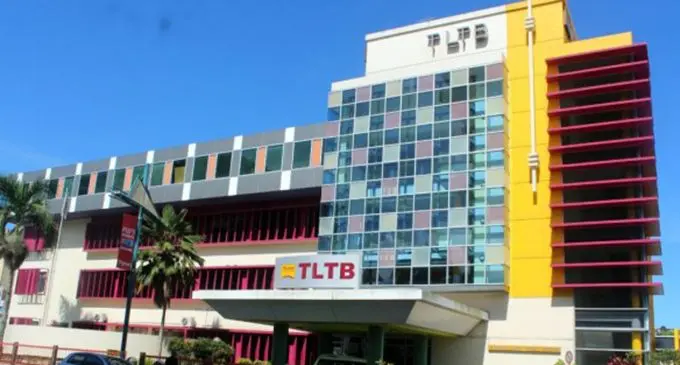
In recognition of the iTaukei Lands Trust Board’s (TLTB) commitment to fostering equitable development, it is noteworthy that they have taken the bold step of reconsidering the equal distribution of lease money among landowning units.
This shift in policy, initiated with the Decree on Equal Rent Distribution effective since January 1, 2011, during the tenure of the Bainimarama-led interim government, holds significant implications.
The primary aim of this policy is to ensure that lease monies derived from native land are fairly distributed among landowning units, thereby benefiting all landowners impartially.
Related stories
Prior to 2011, the distribution of lease monies to landowners was done according to the hierarchy structure of the iTaukei landowners.
A move endorsed by the Great Council of Chiefs (GCC), since its re-introduction earlier this year, during its meeting on the chiefly island of Bau.
Native land in Fiji serves diverse purposes, including agriculture, tourism, housing, and commercial development, rendering lease income a substantial revenue stream for landowning units.
To achieve this equitable distribution, TLTB employs a formula that considers crucial factors such as land size, land use, and other pertinent considerations.
However, since the policy’s inception in 2011, there is a need to assess its impact on the iTaukei community.
One pivotal question arises: How many iTaukei landowners have genuinely benefited from this distribution, and what success stories, if any, illustrate the policy’s effectiveness in alleviating poverty among the iTaukei?
As Deputy Prime Minister Manoa Kamikamica aptly pointed out, more than 90 per cent of land is owned by iTaukei; 25 per cent of its population are living in poverty. Sad, isn’t it?
Considering the differences in the size and type of land, it becomes evident that landowners who earn substantial lease income, for instance, $500,000, stand to gain more compared to those with a modest annual lease revenue of say $5000.
Adhering to TLTB’s formula, equal distribution may appear inequitable for landowners with lower earnings. This raises concerns about the fairness of the policy’s implementation.
TLTB’s interim chief executive officer, Solomone Nata, emphasised that equal distribution, in its current form, may fall short in catering the welfare of iTaukei communities, contributing to the persistence of poverty among indigenous Fijians.
Hence, the plan to revisit the previous policy for lease distribution offers a ray of hope for landowners earning less from lease income.
As an alternative measure, the TLTB could consider a threshold for each landowning unit – based on the income, size, and type of land lease.
It is also imperative for TLTB to collaborate closely with these landowners and provide guidance on how they can strategically invest and foster development within their respective mataqali.
Moving forward, it is essential for TLTB to take a comprehensive approach, one that considers the unique circumstances of each landowning unit.
This approach should encompass tailored support and incentives to empower landowners to make prudent investments and ensure that the benefits of lease income are distributed effectively, contributing to the socio-economic development of the iTaukei community.
While TLTB’s commitment to equitable distribution is commendable, the effectiveness of the policy in eradicating iTaukei poverty remains a subject of scrutiny.
Revisiting the distribution policy and working collaboratively with landowners to harness the full potential of lease income is a positive step toward realising a fair and prosperous future for the iTaukei people.
Feedback: naisak@fijisun.com.fj