Editorial: Consultation claims over 2013 Constitution still contested
Mixed reaction follows former Attorney-General’s remarks as debate over public input and final process continues
Thursday 02 April 2026 | 08:30
Updated 02 April 2026 | 10:08 FJT

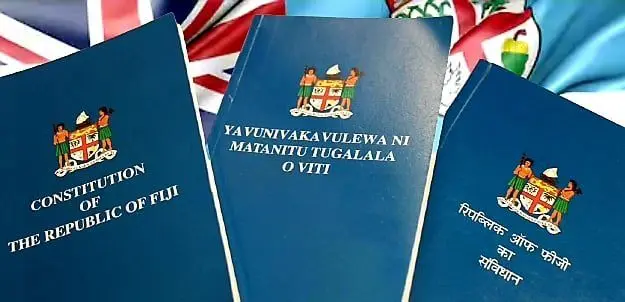
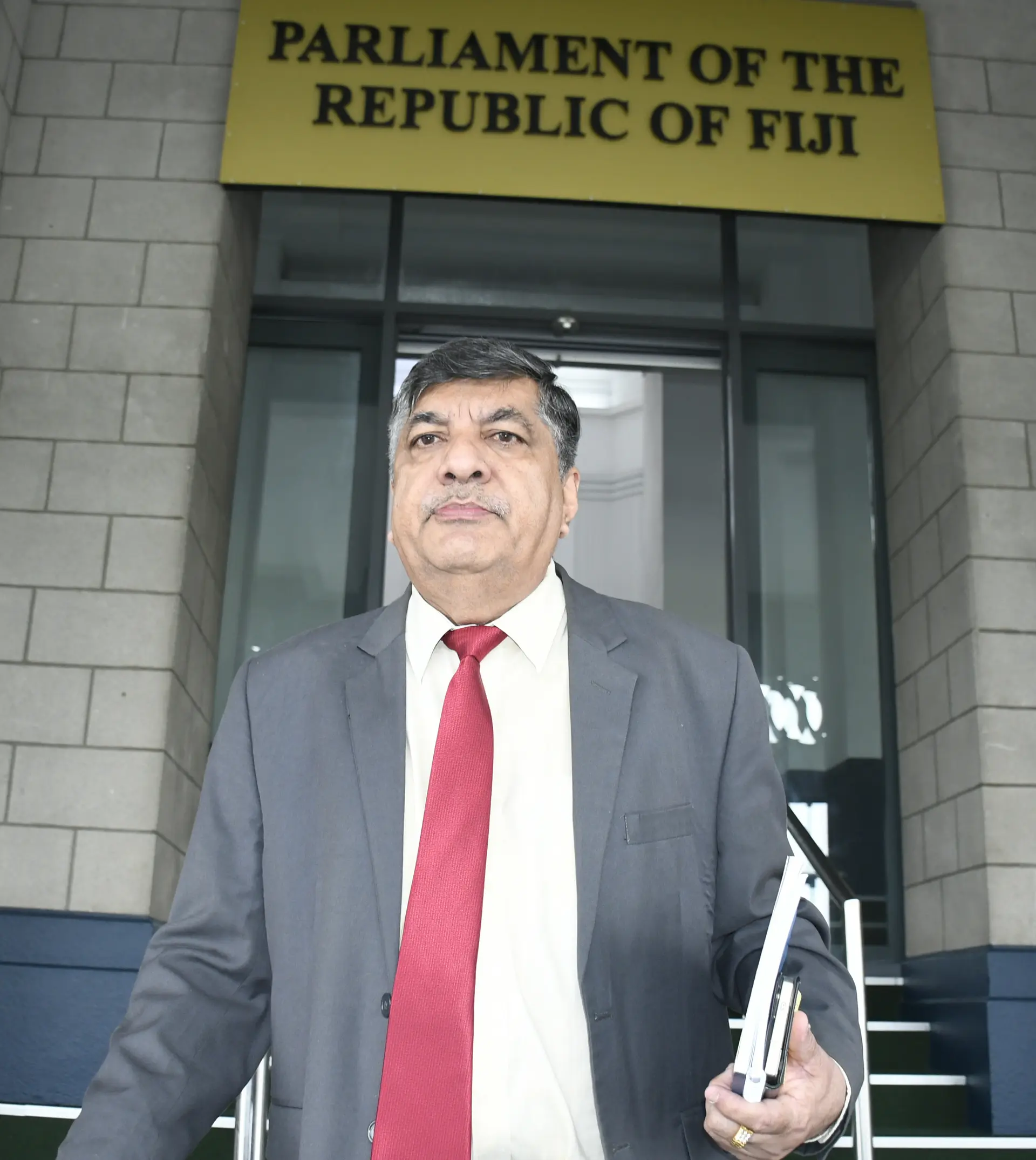
Claims that the 2013 Constitution was shaped through extensive nationwide consultation have once again come under scrutiny following comments by former Attorney-General Aiyaz Sayed-Khaiyum.
He told the Standing Committee on Justice, Law and Human Rights that the constitution was the result of years of public engagement, supported by thousands of submissions and consultations held across the country.
He rejected suggestions that the document was rushed or imposed, pointing instead to the scale of participation during the review process.
Those claims reflect one side of a debate that has never been fully settled.
The constitutional review process led by the Yash Ghai Commission is widely recorded as having involved extensive public submissions and hearings, resulting in a draft constitution.
That draft, however, was not adopted in full.
Instead, the 2013 Constitution was promulgated by the interim government without a referendum. This remains a central point in ongoing discussion about its legitimacy and the extent of public ownership.
Legal arguments presented in court proceedings over the years have at times stated that the constitution was not adopted through a direct vote of the people or their elected representatives at the time.
These arguments have contributed to what has been described in legal debate as concerns over a democratic deficit in its origins.
At the same time, others maintain that the scale of consultation carried out during the review period demonstrates meaningful public participation, even if the final drafting process differed from the earlier commission’s work.
Recent online reaction to the former Attorney-General’s remarks reflects this divide. Some have supported his position, pointing to the documented consultation process and the volume of submissions received.
Others remain sceptical, continuing to question how far that process influenced the final document that came into force.
The Fiji Human Rights and Anti-Discrimination Commission has also previously raised concerns in legal forums about aspects of the constitutional framework, including amendment provisions, describing them as lacking sufficient democratic grounding.
The Standing Committee’s role in addressing such competing accounts also comes into focus. Whether such forums are intended to rigorously test contested claims or simply receive submissions remains an open question.
More than a decade after its promulgation, the origins of the 2013 Constitution continue to be interpreted in different ways.
While consultation itself is not in dispute, the extent to which it shaped the final document remains unresolved in public record and national debate.