Editorial: People Continue To Be Infected And Die Because Message Isn't Loud Enough
415 new HIV cases were recorded last year compared to 245 cases in 2022. Of these cases, 11 were children.
Wednesday 27 March 2024 | 10:00
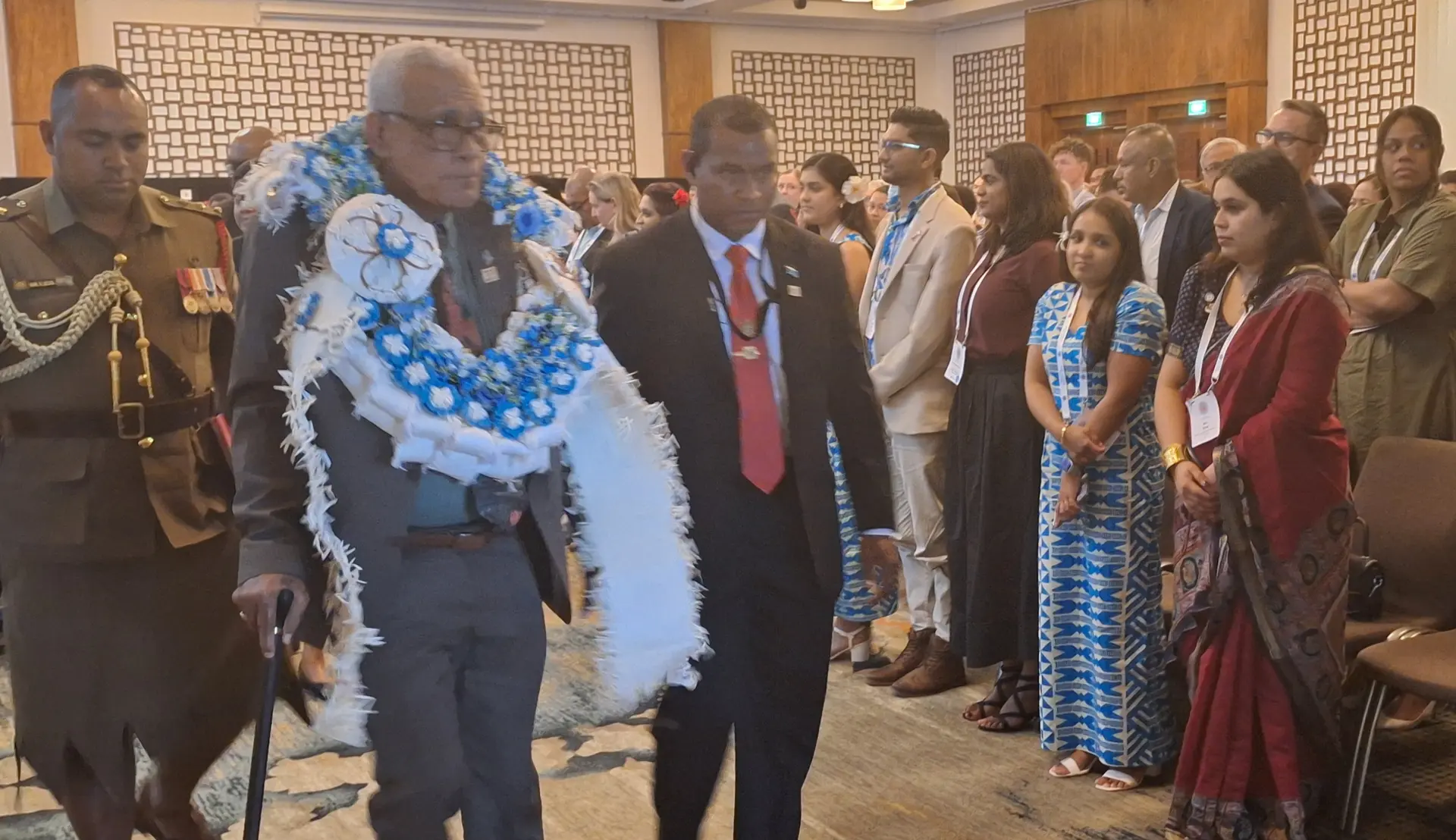
The Ministry of Education and the Ministry of Health and Medical Services are on a nationwide mission.
To create consistent messaging on the fight against HIV/ AIDS.
415 new HIV cases were recorded last year compared to 245 cases in 2022. Of these cases, 11 were children.
Related stories
A staggering 82 in Fiji passed away as a result of being infected with the worst stage: AIDS.
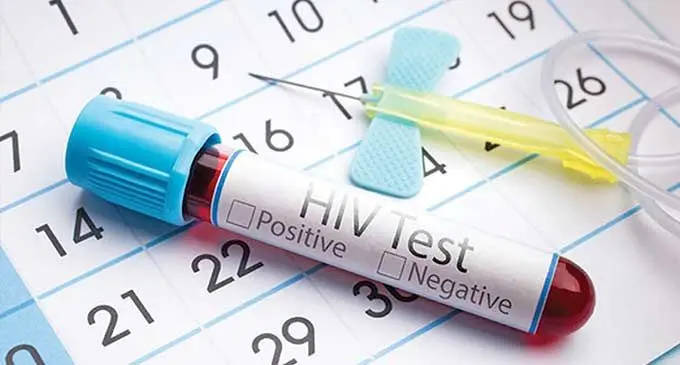
HIV (human immunodeficiency virus) is a virus that attacks the body's immune system.
If HIV is not treated, it can lead to AIDS (acquired immunodeficiency syndrome).
There is currently no effective cure.
That's the widely-known WHO definition of HIV/ AIDS that, if untreated, can lead to death.
Many of us may take for granted this piece of information and would say it's becoming to sound like a broken record.
But not for those living with it.
A joint UNAIDS report noted Fiji was one of top two countries in the Asia-Pacific region with rapidly rising new HIV infections, after the Philippines.
The UNAIDS estimated that between 2010 and 2022, new infections in Fiji increased by 260 per cent, with 2000 people living with HIV in the country in 2022.
We can't begin to imagine all the pain and suffering they endure when the disease is at its worst stage.
Although the past cannot be changed, stakeholders, including the media, can certainly change the future on how we respond to ensure that we keep our numbers at a controlled level.
And the top of this priority is through consistent messaging.
In marketing, many customers seek brands that deliver ongoing, recognisable messaging that they can relate to and learn from before deciding to purchase their products.
In the case of fighting against HIV/ AIDS, it's about convincing the audience to take the message as the gospel truth and that anything else is fiction.
Hence, below is a consistent messaging that should be continuously delivered across platforms and to target audiences.
According to UNAIDS:
The disease spreads more easily in the first few months after a person is infected, but many are unaware of their status until the later stages.
In the first few weeks after being infected people may not experience symptoms. Others may have an influenza-like illness including:
-fever;
-headache;
-rash;
- sore throat.
The infection progressively weakens the immune system. This can cause other signs and symptoms:
- swollen lymph nodes;
- weight loss;
-fever;
- diarrhoea;
-cough.
Without treatment, people with HIV infection can also develop severe illnesses:
- tuberculosis (TB);
- cryptococcal meningitis;
- severe bacterial infections;
- cancers such as lymphomas and Kaposi's sarcoma.
HIV causes other infections to get worse, such as hepatitis C, Scan QR code hepatitis B and mpox. to view UN report Additionally, how one can contract the disease is also of equal importance as we've found out by local experts that more and more, the disease is being spread through the sharing of needles as opposed to the traditional style of unprotected sex.
Feedback: ranobab@fijisun.com.fj