Right of Reply
Sitiveni Rabuka, SODELPA Leader
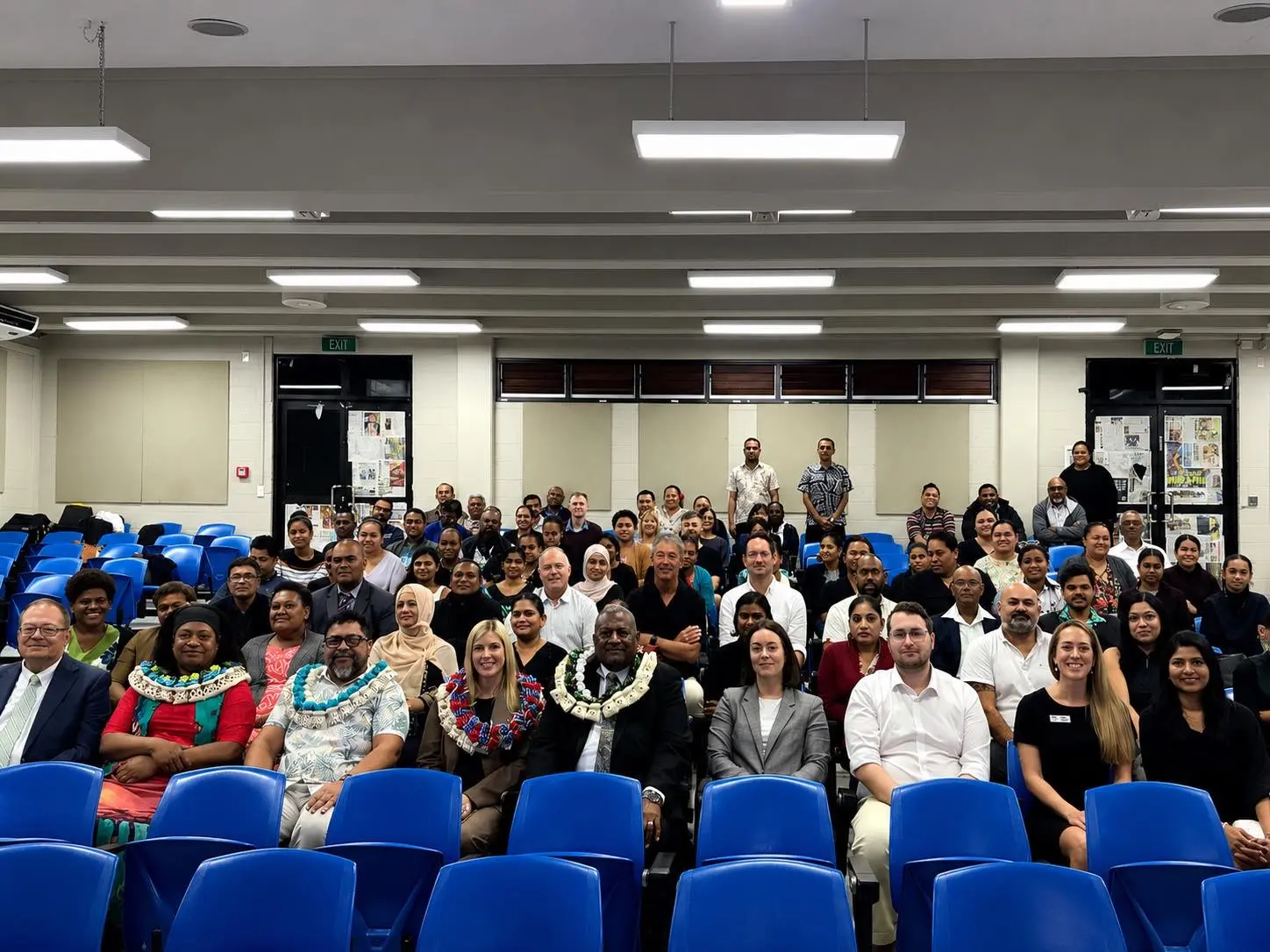
I respond to Nemani Delaibatiki’s analysis in the Fiji Sun on May 15, 2018 about my address to law students at the University of Fiji on April 25, 2018.
Related stories
He picked and chose only portions of my address, to criticise and to suit his ‘analysis’.
Therefore, it is important for Mr Delaibatiki to understand my speech in totality and its proper context.
It is true that I shared my personal reservations on the use of “Fijian” as a common name. These reservations were based for a number of fundamental reasons on international best practices and rationale that is relevant in our social context.
These include:
(i) the people were never consulted. It was imposed, just like the Bainimarama regime’s unilateral revocation of the 1997 Constitution and removal and abolition of the Great Council of Chiefs. The people of Fiji have a right to be consulted and their voice heard on this very important issue of national interest that directly affects them. In particular, the indigenous people were not consulted. They have been known collectively as “Fijians” since and before cession, until 2010 when it was removed by Decree;
(ii) the 2013 Constitution, for the first time in Fiji’s history, has allowed a Fiji citizen to hold citizenship of a foreign State simultaneously. This dual nationality is a good thing in the context of our globalised world. But it creates the dubious situation about a person’s patriotic loyalty and attachment to Fiji when one is at the same time the national of another State.
(iii) most seriously, it ignores the group rights and self-determination of indigenous iTaukei and Rotuman people. These group rights had been recognised from the outset of British colonial administration of Fiji following the Deed of Session between the British Crown and the High Chiefs of Fiji on 10th October 1874. They are codified into the State laws of Fiji through the Constitution, and statutes such as the iTaukei Lands Act and the Rotuman Lands Act.
Article 33 of the 2007 United Nations Declaration on the Rights of Indigenous Peoples defines the group right of self-determination of indigenous peoples as including their “…right to determine their own identity or membership in accordance with their customs and traditions.”
Our ethnic, religious and linguistic minority groups will be interested to know that the Human Rights Committee, the oversight body that monitors the implementation of the International Covenant on Civil and Political Rights, has broadened its interpretation of ethnic, religious and linguistic rights of minority communities to include the ability of each community to maintain its culture, language or religion.
And further, it has called on States to introduce positive measures necessary to protect the identity of a minority community and the ability of its members to enjoy and develop their culture and language and to practice their religion.
(iv) the unacceptable founding presumption of the Bainimarama regime in the formulation of their 2013 Constitution, is that there can be a clear separation, on the one hand, between the State of Fiji as a political community of culturally undifferentiated individuals and, on the other, Fiji as a multi-ethnic, multi-religious and multicultural society. An imposed political culture based on a “single all-embracing national identity” is no different from cultural assimilation. Our different communities will feel more confident and secure about their future in Fiji when their ethnicity, religious faiths and cultures are publicly acknowledged by the State and given equal protection and treatment.
(v) it would have been more acceptable if we adopted the Canadian practice of using hyphenated identities as part of its multiculturalism policies of promoting unity in diversity.
Here in Fiji, depending on the context, we can all be Fijians when we are overseas, or when we are representing Fiji, but locally for ease of identification of who we are, we can refer to each other as native or indigenous Fijians, Indo-Fijians, Chinese-Fijians, European or part-European Fijians, and Banabans and Rotumans.
Whilst this methodology identifies who we are in terms of our origin, its concurrent utility and overriding efficacy is that as citizens of Fiji every person is guaranteed under the Constitution equal fundamental rights and freedoms as laid down in the Bill of Rights.
Whilst sharing my personal views, I also made it very clear that at the end of the day the people of Fiji will decide through dialogue and consensus building on the issues that affect them, including the common name.
The ‘will of the people’ is the key point of my views on the imposition of ‘Fijian’ as a common name. Yes, I first proposed ‘Fijian” as a common name in 1987.
However due to opposition from the people, I did not impose it.
I again proposed ‘Fijian’ as a common name in 1995 during the review of the 1990 Constitution.
Again, it was not accepted, and the people widely expressed this view to the Constitution Review Commission chaired by Sir Paul Reeves, former Governor General of New Zealand.
That is why ‘Fiji Islander’ was the common name put forward in the 1997 Constitution.
At least Mr Delaibatiki should note and acknowledge that there is a caveat on my suggestion.
There must be consultation with the people before any decision is taken on issues that affect them or impinge on their rights.
Feedback: jyotip@fijisun.com.fj