The urgent need to reform Fiji’s education system
The issue extends beyond school walls. It is deeply rooted in the fabric of our society, with parenting styles, cultural expectations, and socio-economic challenges all playing a role.
Wednesday 04 December 2024 | 08:46
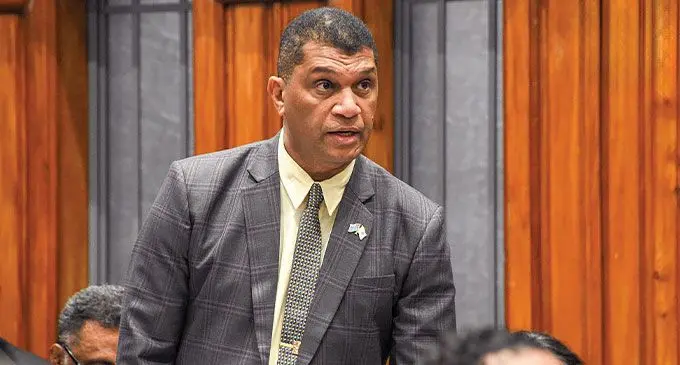
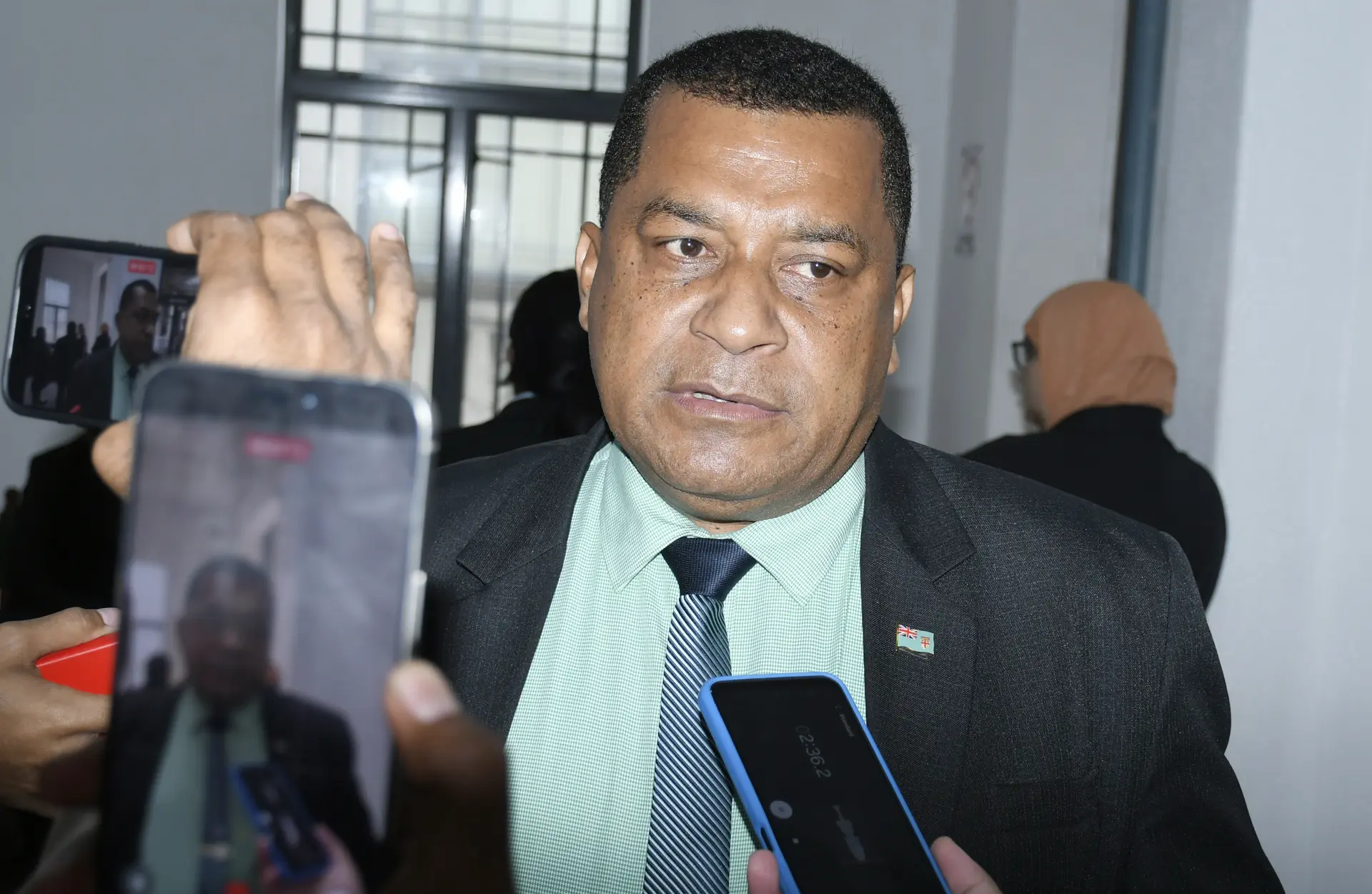
There is a call to action due to the alarming state of Fiji’s education system.It is not just a statistic, it is a pressing crisis revealed by the Minister for Education, Aseri Radrodro that demands immediate attention and action.
The failure to adequately educate our children is nothing short of a disgrace, with dire consequences that are already manifesting in society.
A generation of young Fijians is becoming disillusioned with learning. They are not interested in schooling. This has led to troubling trends such as increased accessibility to illicit drugs, criminal activities, and rising unemployment.
Related stories
This is not merely a reflection of individual choices, but a systemic educational failure that requires collective responsibility now.
As Mr Radrodro rightly points out, the growing number of students who are allowed to progress despite failing is a worry. This practice allows a cycle of mediocrity, where the system is teaching failure rather than fostering success. It is unacceptable that our children are being set on a path of stagnation instead of being inspired to excel.
The time for blame is over; we must focus on solving the mistakes of the past and rewriting the best curriculum for the future.
The issue extends beyond school walls. It is deeply rooted in the fabric of our society, with parenting styles, cultural expectations, and socio-economic challenges all playing a role.
Many iTaukei parents, while undoubtedly loving and well-meaning, often prioritise traditional obligations over their children’s educational needs. This leads to a lack of discipline and focus at home, which directly impacts our children’s academic performance. If we are to raise future leaders, we must firstly address the shortcomings within our family structures.
It is important to recognise that the responsibility for education does not lie solely with teachers or Government. Parents must engage actively in their children’s education. Everything should start from home. Parents must be proactive, creating an environment conducive to learning and growth.
The narrative of two primary school students competing for the top spot at Lomary Primary School in Serua yesterday is a timely reminder of the spirit of resilience and determination that should be at the heart of education.
This healthy competition is what we need to cultivate—a culture where students strive for excellence, driven by their own ambitions rather than external pressures. The story illustrates the intrinsic motivation that can flourish when children are encouraged and inspired.
Let us heed the wisdom of former India President, A.P.J. Abdul Kalam: “If you fail, never give up because F.A.I.L. means ‘First Attempt In Learning.’” We must learn from our failures and transform them into opportunities for growth. The next eight weeks school holidays are crucial in identifying solutions that will stop this educational crisis spilling into the next academic year.
We must cut-off unnecessary distractions and refocus on education and the well-being of our beloved children. Let us restore a sense of competition and achievement, reminiscent of a time when students aspired to be the best, not just to pass.
Fiji stands at a crossroads, and it is up to us—parents, educators, church and community members—to come together and reclaim our education system. By doing so, we can ensure that our children are not only equipped with knowledge but also inspired to make a positive impact on the world around them. The future of Fiji depends on it.
Feedback: maikeli.vesikula@fijisun.com.fj