Fiji on El Niño watch: What you need to know
Mr Fong said El Niño events were commonly linked to drier conditions in Fiji, particularly during the cool dry season, but stressed that rainfall patterns could still vary across the country.
Tuesday 16 June 2026 | 08:00
Updated 17 June 2026 | 01:58 FJT

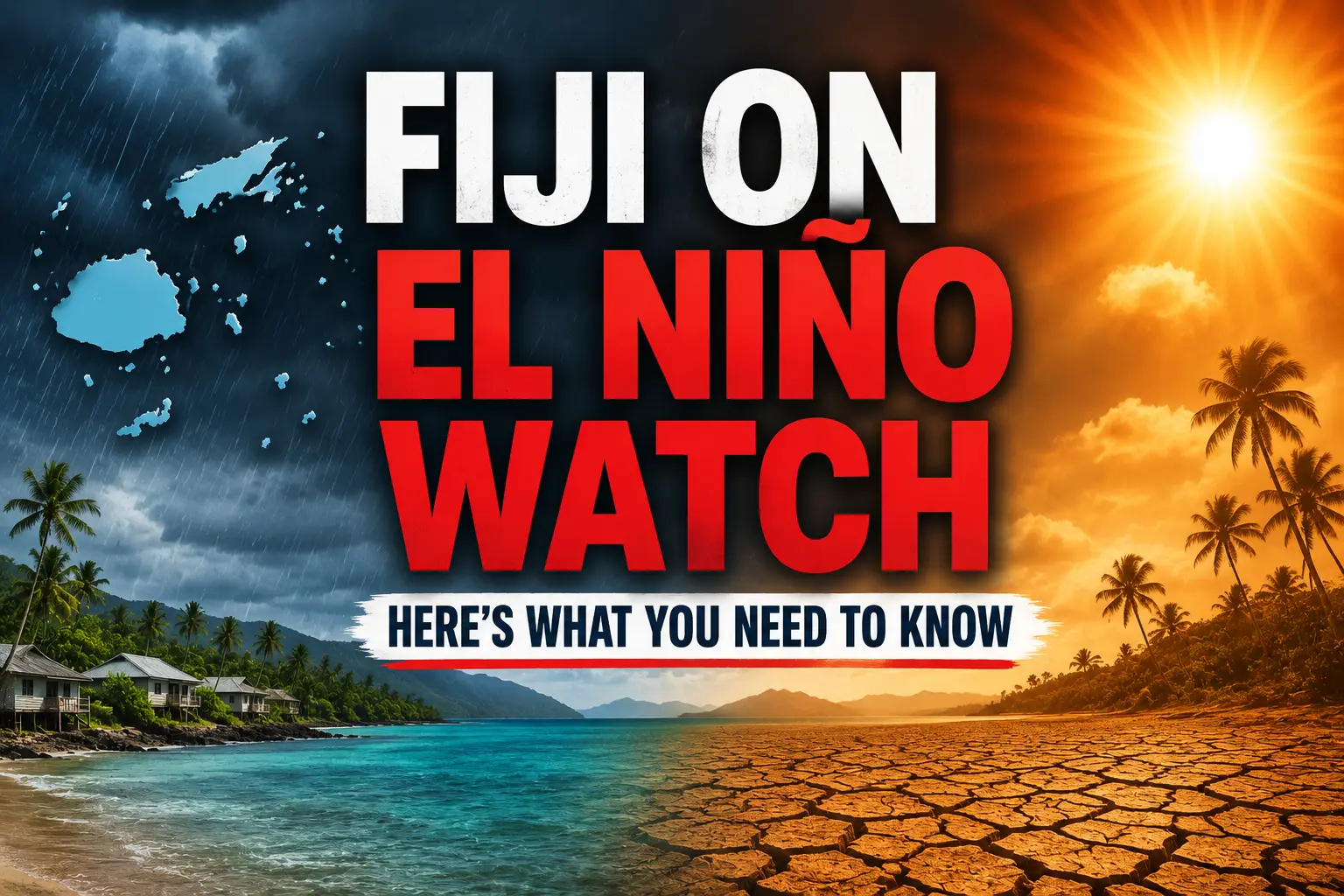
An El Niño Watch has been issued for Fiji, with climate experts warning of an increased likelihood of below-normal rainfall and possible drought conditions during the June to August period.
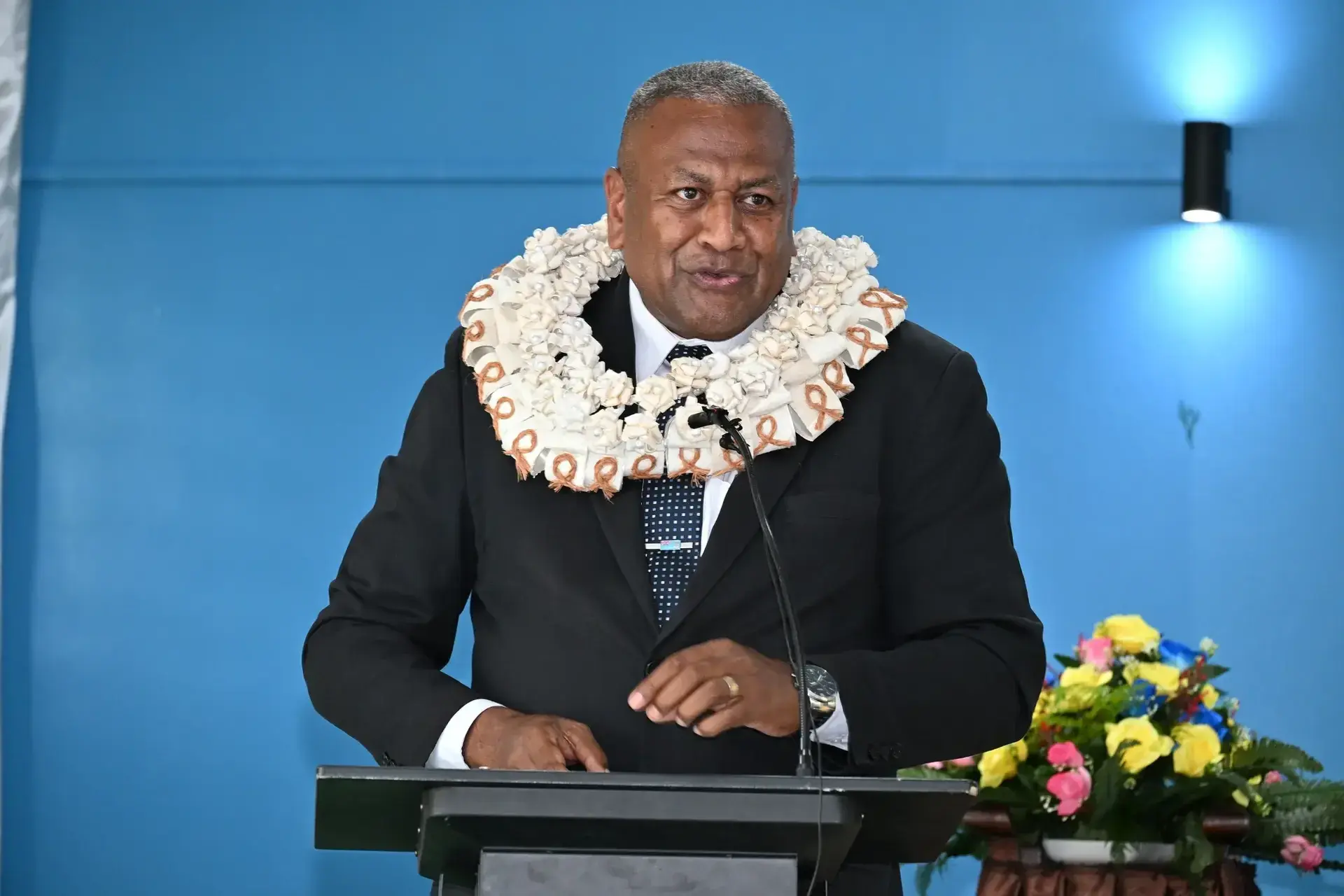
Fiji Meteorological Service Scientific Officer Douglas Fong said there was an increasing chance of El Niño developing over the coming months, although uncertainty remained over its eventual strength and impact.
"An El Niño Watch is currently in place with an increasing chance of El Niño developing during the June to August 2026 period."
Related stories
Mr Fong said El Niño events were commonly linked to drier conditions in Fiji, particularly during the cool dry season, but stressed that rainfall patterns could still vary across the country.
He said local weather systems could continue to bring rain, and not all areas would experience dry conditions at the same time.
Drawing on past events, Mr Fong noted that the powerful 1997 El Niño contributed to severe drought conditions that affected agriculture and sugarcane production. However, he said the 2023–2024 El Niño, despite being among the five strongest globally, did not trigger drought in Fiji.
"It is important to remember that no two El Niño events are the same and they do not always affect Fiji in the same way."
Global climate agencies are indicating that the developing El Niño could reach moderate to strong levels, although forecasts remain uncertain.
For the coming months, the Fiji Meteorological Service expects below-normal rainfall across most of Fiji, including Rotuma and Oneata.
"Suppressed rainfall is likely to be experienced across Fiji."
Temperature forecasts indicate above-normal daytime and night-time temperatures for Rotuma, while most of the Fiji group is expected to experience near-normal temperatures.
Mr Fong urged the public to remain informed as forecasts evolve.
"At this stage, the key message is to stay informed and be prepared."
The Fiji Meteorological Service will continue monitoring conditions and issue regular updates as new information becomes available.
What Fiji can expect if El Niño develops
If the developing El Niño strengthens, Fiji could experience:
- Below-normal rainfall during the cool dry season.
- Longer dry spells, particularly in western and northern parts of the country.
- Water shortages in communities that rely on rivers, creeks and rainwater tanks.
- Reduced crop yields, affecting farmers and the agriculture sector.
- Pressure on sugarcane production if dry conditions persist.
- Increased risk of drought if rainfall remains below average for an extended period.
- Warmer-than-normal temperatures in some areas, particularly Rotuma.
However, Fiji Meteorological Service Scientific Officer Douglas Fong cautioned that El Niño impacts vary.
"It is important to remember that no two El Niño events are the same and they do not always affect Fiji in the same way."
How people can prepare
Mr Fong's key advice was to "stay informed and be prepared."
Practical steps include:
- Conserve water early, before shortages develop.
- Check and repair water tanks, gutters and storage systems to maximise water collection when it rains.
- Farmers should plan for drier conditions, including water management and drought-resistant crops where possible.
- Monitor weather and climate updates issued by the Fiji Meteorological Service.
- Communities should review drought preparedness plans, especially in areas historically affected by dry conditions.
- Businesses dependent on water supplies should assess contingency measures.
- Households should avoid wasting water and consider storing emergency supplies.
While drought is not certain, the El Niño Watch signals an increased risk, making early preparation important if conditions worsen in the coming months.