Children as young as 14 injecting drugs, says medical officer
Dr Zahin said addiction was not simply a criminal issue but a health issue that often stemmed from deeper personal struggles.
Monday 22 June 2026 | 08:00

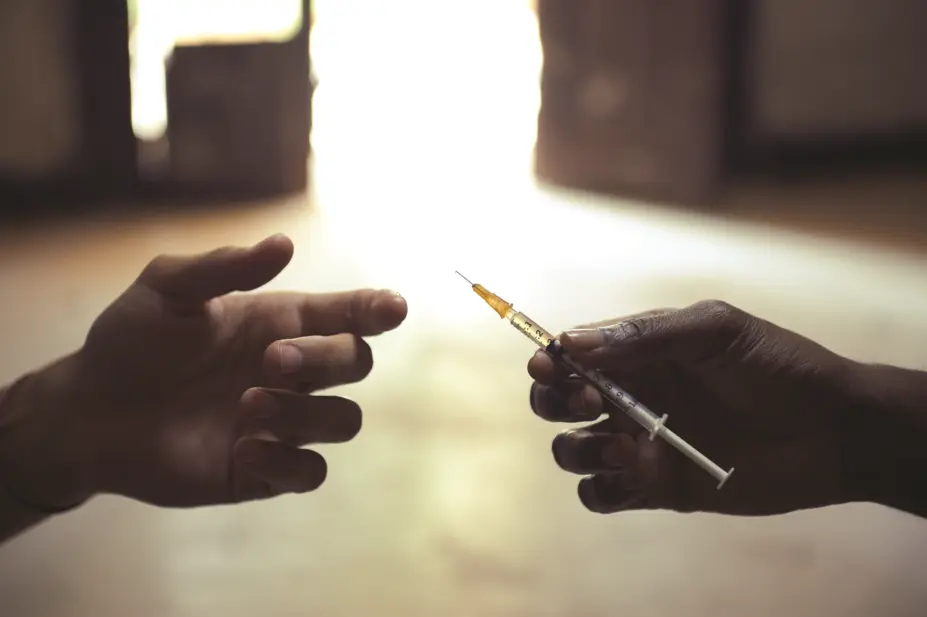
Children as young as 14 are injecting drugs and arriving at health facilities with HIV, tuberculosis (TB), hepatitis C and severe mental health conditions, a senior medical specialist has warned, describing the situation as one of the most alarming consequences of Fiji's growing drug crisis.
Speaking at the Fiji-New Zealand and New Zealand-Fiji Business Councils 2026 Joint Conference at the Sofitel Fiji Resort and Spa in Nadi on Friday, St Giles Hospital acting chief medical officer Dr Afia Zahin said the impact of drug use among young people was placing unprecedented pressure on families, communities and the country's healthcare system.
"On a regular basis at St Giles Hospital we will see people aged between 13 and 24," she said.
Related stories
"We have children as young as 14 years of age who are already on IV (intravenous) drugs. They have HIV, hepatitis C and TB, and they're suffering from the complications of all that, plus a mental illness secondary to drug use."
Dr Zahin said addiction was not simply a criminal issue but a health issue that often stemmed from deeper personal struggles.
"When we see somebody with a drug-related issue, we do not act like a law enforcement body. We see the person behind the drugs," she said.
"Nobody wakes up one day and decides to take drugs. There is a story behind everyone's reasoning."
Beyond the health impacts, she said drug addiction was leaving a trail of hardship within families.
"We have elderly parents coming in with their young boys who are addicted to drugs. Instead of the children looking after their elderly parents, the parents are using their social welfare money to support sons who do not have jobs and are addicted to drugs."
"We have a teenage girl who is looked after by her grandmother and repeatedly physically assaults her because she needs money for drugs."
"And that is the reality on the ground and in the medical sector," she said.
Dr Zahin said St Giles Hospital, originally established to care for people with long-term psychiatric illnesses, was now dealing with increasingly complex cases linked to addiction.
"We are looking at patients who not only have a mental health issue but also have HIV, tuberculosis, financial issues, social issues and multiple medical comorbidities. The system was never prepared for this epidemic and still is not," she said.
She called on employers, families and communities to help reduce the stigma surrounding addiction and mental illness, saying early intervention and support were critical to preventing further harm.