Ministry warns harassment in remote health facilities could see health staff pulled out
He added that significant planning and budgeting are required to provide health services to interior communities and outer islands.
Sunday 11 January 2026 | 14:30

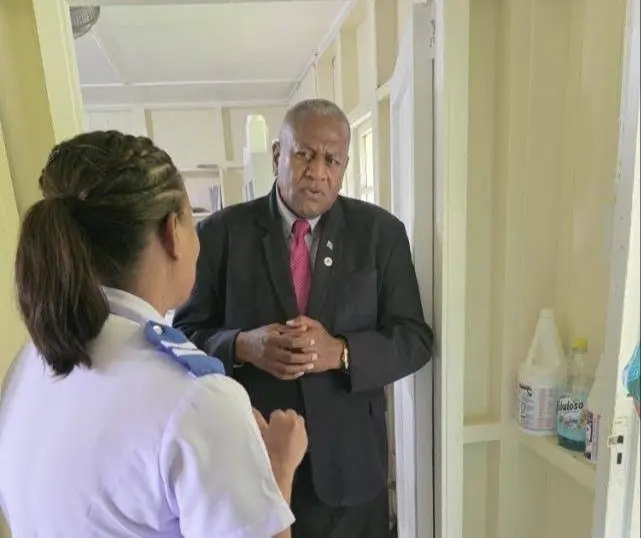
Mr Ravunawa stressed that while the ministry is responsible for health workers' welfare, communities also have a duty to ensure their safety.
Supplied
The Ministry of Health and Medical Services has warned that health workers stationed in Fiji’s remote communities could be withdrawn if assaults and harassment continue.
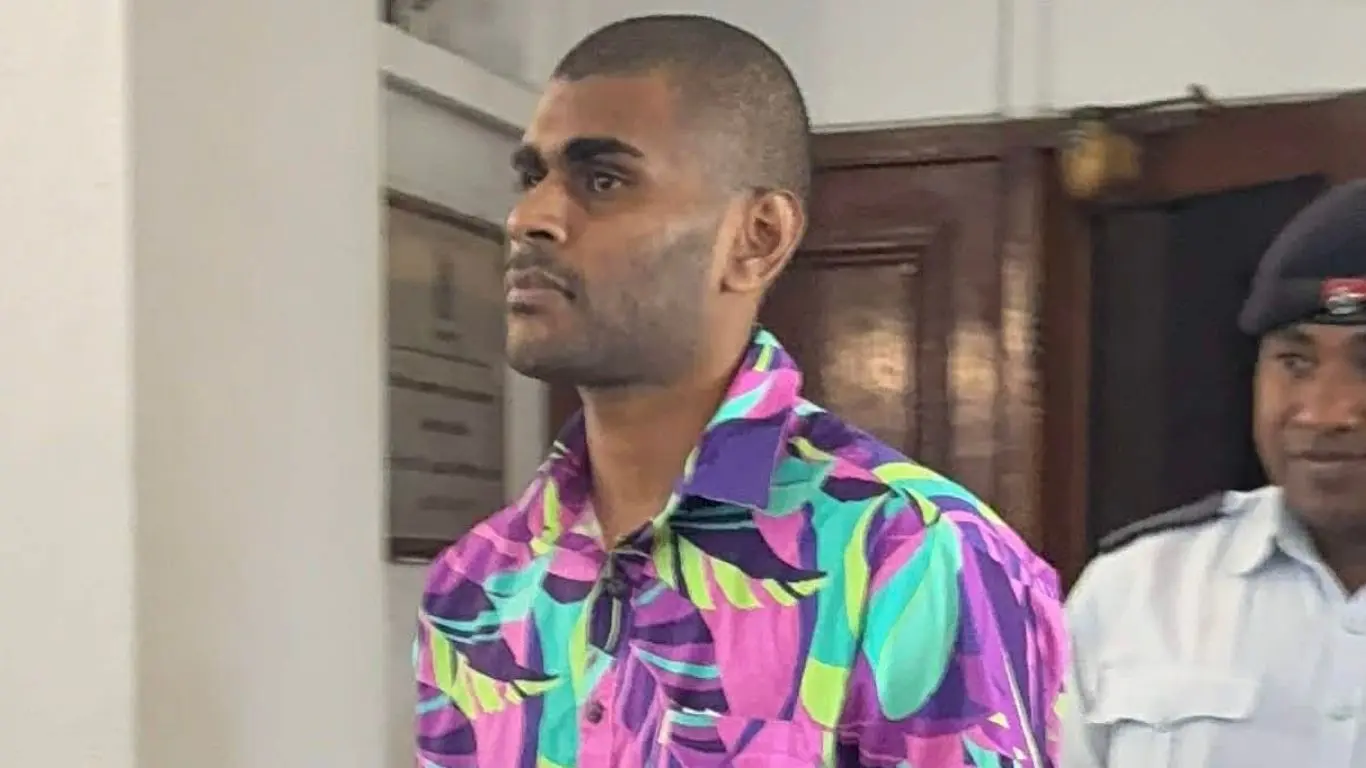
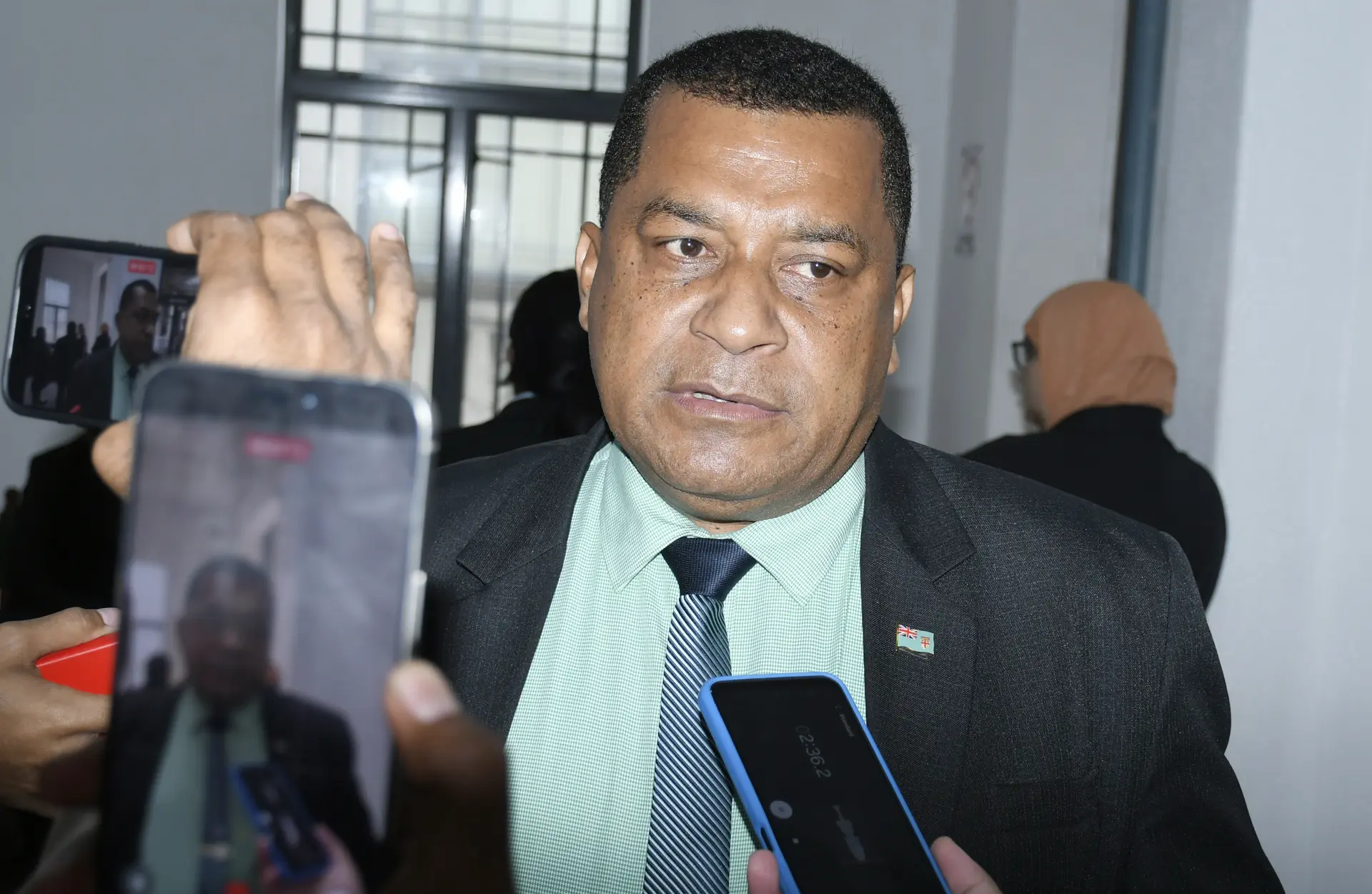
Assistant Minister Penioni Ravunawa issued the warning following the alleged sexual harassment of a female nurse at the Ono-i-Lau Health Centre on December 30. 2025.
The matter is now before the Suva Magistrate Court.
Related stories
The incident, first reported on this masthead on Monday, January 5, sparked widespread discussion on social media, with several nurses sharing similar experiences while working in interior and maritime areas.
One nurse, who was stationed at another health centre in Lau in 2021, recounted being harassed by a local chief on multiple occasions while administering diabetic shots at his home.
The man later claimed it was “just a joke” and performed a matanigasau, a traditional apology, to resolve the matter.
Determined to file a formal police complaint, the nurse alleged that the attending police officer advised against pursuing it after her husband accepted a whale's tooth from the chief.
The chief died two months later.
Another report involved nurses deployed to the interior of Navosa in 2018, where staff reportedly felt constrained in carrying out their duties due to hostile treatment from villagers, including being ignored and looked down upon.
Mr Ravunawa stressed that while the ministry is responsible for health workers' welfare, communities also have a duty to ensure their safety.
"If this continues, then we will have to deprive the village or island community of having a health worker present at the station," he said.
"In our iTaukei communities, health officials are normally entrusted to the chief and the mataqali.
"They are attached to the chiefly family in terms of village obligations, with the understanding that the chief, as the head of the community, will ensure their safety while they carry out their professional duties."
He added that significant planning and budgeting are required to provide health services to interior communities and outer islands.
"It takes a lot of planning and budgeting to have our officials present and close to communities to deliver health care services," Mr Ravunawa said.
"The onus is again on the community and villagers to look after these officials and the welfare of their families."
Attempts to reach the Great Council of Chiefs chair, Ratu Viliame Seruvakula, were unsuccessful.