$11b poured into transport as Fiji plans next reform phase
Despite network expansion, Mr Tavo said ageing infrastructure, road safety risks, urban congestion and climate-related disruptions were increasingly being felt by the public.
Thursday 15 January 2026 | 17:30
Updated 15 January 2026 | 19:22 FJT

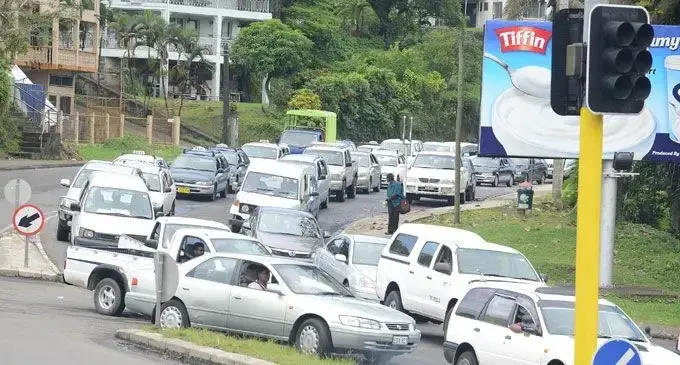
The investments span roads, bridges, jetties, ports and airports, underlining the Government’s focus on strengthening national connectivity.
Fiji Sun/File
Fiji has invested more than $11 billion in transport assets, with a further $1.7 billion spent on land transport infrastructure over the past five years, as the Government moves to modernise and future-proof the country’s transport network.
The investments span roads, bridges, jetties, ports and airports, underlining the Government’s focus on strengthening national connectivity.
Speaking at the National Transport Infrastructure Consultative Forum (NTICF) at the Grand Pacific Hotel, Ministry for Transport Deputy Secretary Operations George Tavo said transport was central to everyday life and economic development.
Related stories
“Transport affects people every single day — how long it takes to get to work, how farmers move produce, how children get to school and how communities access health services,” Mr Tavo said.
“For our rural and outer island communities, transport is not optional. It is a lifeline.”
Despite network expansion, Mr Tavo said ageing infrastructure, road safety risks, urban congestion and climate-related disruptions were increasingly being felt by the public.
“These are not abstract problems. They directly affect livelihoods, safety and economic opportunity,” he said.
“That is why better planning and stronger coordination are no longer optional.”
To guide the next phase of development, the ministry is advancing two major reforms — a transport sector master plan to align land, maritime and aviation planning, and a transport decarbonisation implementation strategy aimed at reducing fuel dependence, lowering costs and cutting emissions.
“Our ambition is clear — an integrated, efficient, safe and environmentally sustainable transport system that supports growth today and protects the future,” Mr Tavo said.
United Nations Economic and Social Commission for Asia and the Pacific (ESCAP) subregional office head Andie Fong Toy said transport connectivity remained critical to Fiji’s economic competitiveness and social equity.
“Ports are gateways to the global economy,” Fong Toy said.
She said ESCAP’s support would focus on strengthening maritime connectivity, developing realistic port investments and improving logistics and policy frameworks to better integrate Fiji into global supply chains.
The forum is the first of its kind since 2018.
Held under the theme “Building Resilient, Sustainable and Inclusive Transport Infrastructure for Fiji’s Future”, the two-day event will address key issues including maritime safety, domestic shipping, financing, road safety, congestion, public transport and inclusive mobility.