LTA introduces payment plan for long-outstanding traffic fines
Under the new policy, motorists with unpaid fines from 2017 to 2022 may enter into a payment agreement with the Authority.
Wednesday 28 January 2026 | 15:00

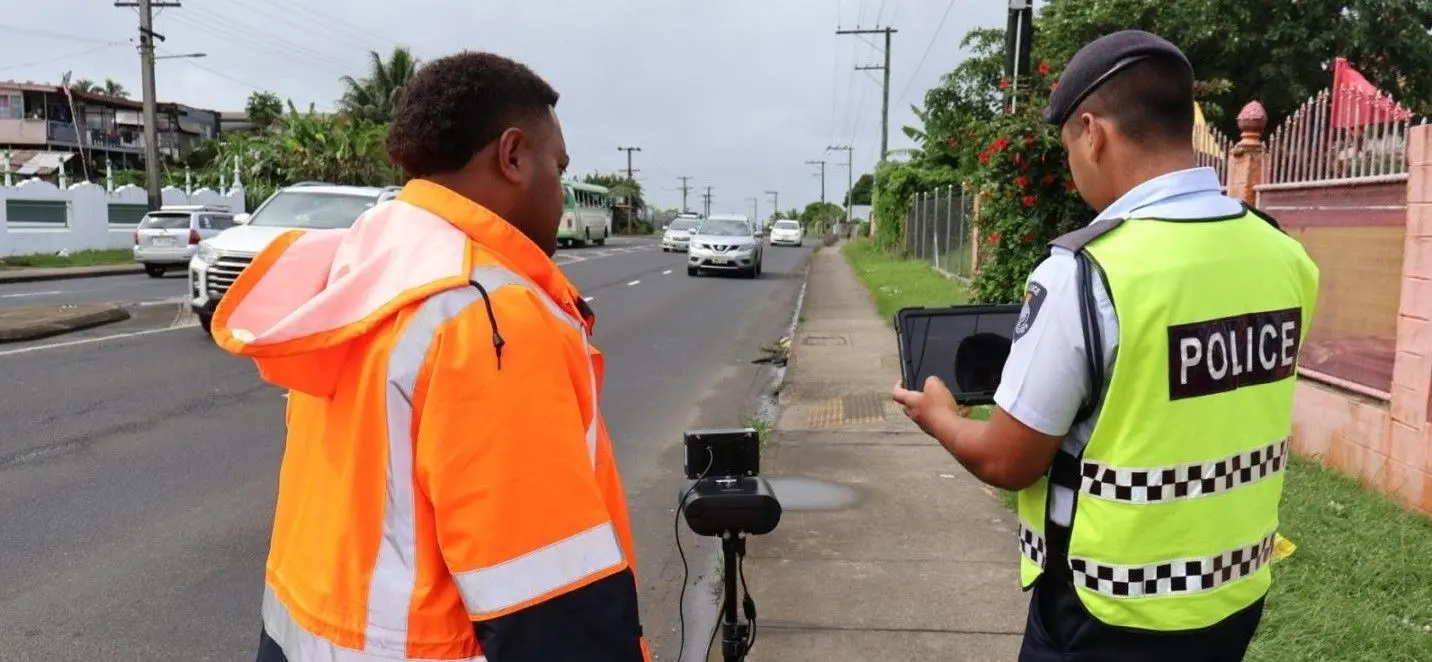
Portable speed cameras were strategically deployed based on safety data focusing on high-risk corridors, school zones, and areas with frequent speeding-related crashes.
LTA
Motorists with long-outstanding traffic fines now have the option of paying them off through a structured repayment plan, following the launch of a new initiative by the Land Transport Authority of Fiji (LTA).
The Payment Plan initiative, which came into effect on January 23, 2026, allows eligible customers to settle overdue Traffic Infringement Notices (TINs) through manageable instalments, easing financial pressure while improving compliance.
LTA chief executive officer Irimaia Rokosawa said the initiative was designed to provide relief to motorists struggling with accumulated fines, particularly those dating back several years.
Related stories
“Over the years, the Authority has recorded a significant number of unpaid Traffic Infringement Notices, especially those issued between 2017 and 2022,” Mr Rokosawa said.
“These outstanding fines have contributed to administrative backlogs and unrecovered penalties, limiting our ability to fully enforce compliance.”
Under the new policy, motorists with unpaid fines from 2017 to 2022 may enter into a payment agreement with the Authority. However, to qualify, all outstanding fines issued from January 1, 2023, onwards must first be paid in full.
Mr Rokosawa said the payment plan would apply only to fines listed under the signed agreement, with any other outstanding penalties required to be settled separately.
He warned that failure to meet scheduled repayments would result in the cancellation of the agreement.
“Each arrangement will be governed by a formal agreement outlining the approved TINs, repayment amounts and timelines to ensure transparency and fairness,” he said.
Mr Rokosawa said the initiative was expected to reduce unrecovered penalties, streamline administrative processes and improve revenue collection.
He added that funds recovered through the payment plan would support road safety programmes, enforcement operations and transport-related infrastructure and services.
“This is about improving compliance while giving motorists a practical way to regularise their accounts,” he said.