MSAF tightens enforcement as shipping activity grows
The authority also manages 99 lighthouses across the country, which play a critical role in preventing groundings and maritime accidents that can lead to marine pollution.
Thursday 15 January 2026 | 18:30

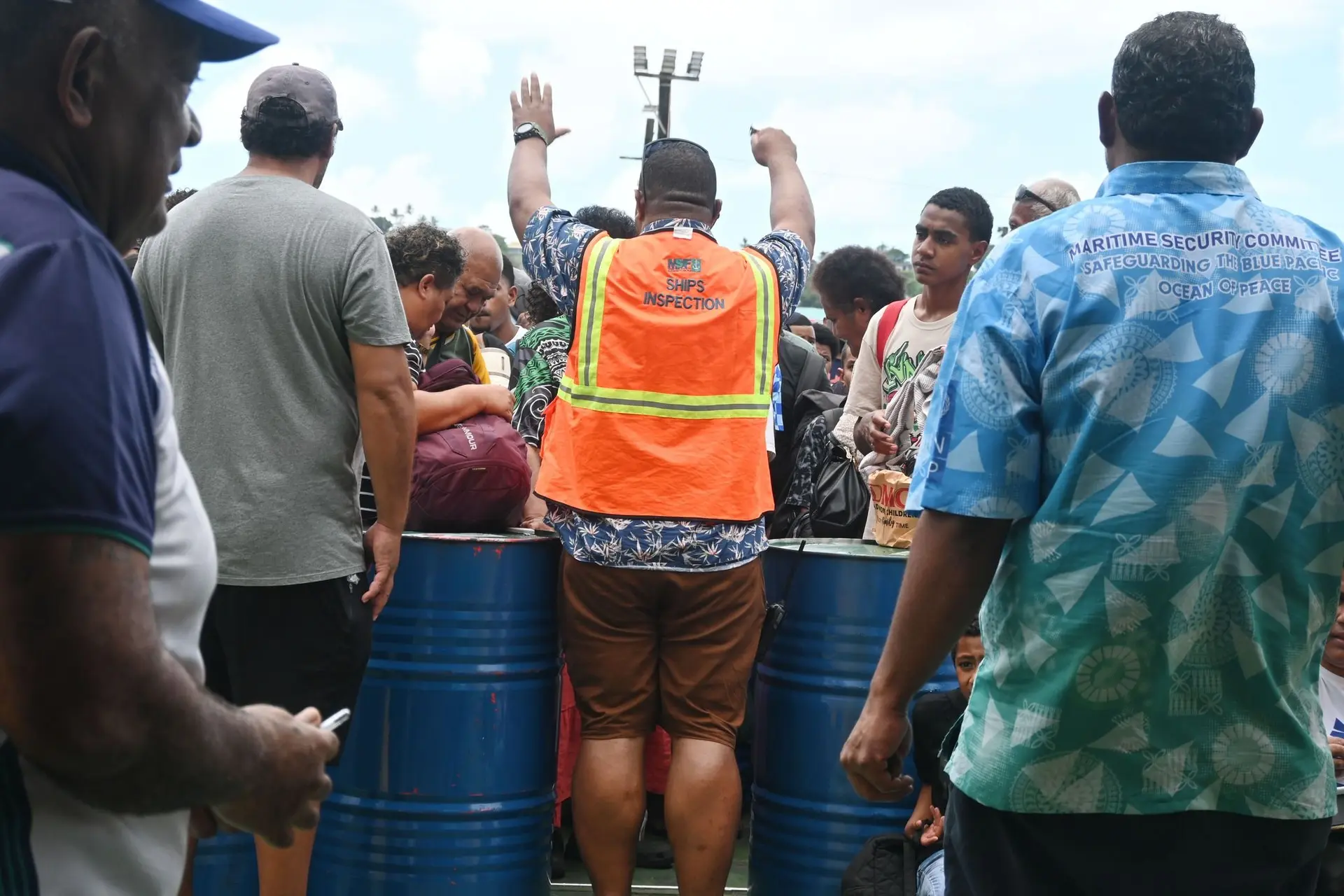
MSAF maintains a nationwide operational presence through 12 stations, allowing rapid response to pollution incidents and stronger enforcement of environmental compliance.
MSAF
The Maritime Safety Authority of Fiji (MSAF) has strengthened enforcement and response measures to protect Fiji’s marine environment, responding to 31 marine pollution incidents over the past 10 years as shipping activity continues to increase.
Acting chief executive officer Iliesa Batisaresare said environmental protection was inseparable from maritime safety and remained central to the authority’s mandate.
“Our role is not only about vessel safety, but also about protecting our marine environment and the coastal communities that depend on it,” Mr Batisaresare said.
Related stories
He said MSAF led pollution prevention, monitoring and response efforts, ensuring vessels operating in Fiji waters complied with environmental standards under national legislation and international maritime conventions.
Fiji has ratified 26 of the 59 International Maritime Organisation (IMO) conventions, which have been incorporated into national law through the Maritime Safety Authority of Fiji Act 2009, the Maritime Transport Act 2013 and the Ship Registration Act 2013, supported by 34 subsidiary legislations.
MSAF maintains a nationwide operational presence through 12 stations, allowing rapid response to pollution incidents and stronger enforcement of environmental compliance. The authority also manages 99 lighthouses across the country, which play a critical role in preventing groundings and maritime accidents that can lead to marine pollution.
Mr Batisaresare said strong partnerships with government agencies, development partners and maritime stakeholders were essential to protecting Fiji’s vast maritime domain.
“Working closely with our partners strengthens our response capability and helps minimise environmental harm when incidents occur,” he said.
Beyond emergency response, MSAF is strengthening data collection and analysis to support informed policy development, climate resilience and maritime environmental planning.
The authority is also progressing work on a maritime greenhouse gas inventory, aimed at supporting evidence-based decarbonisation strategies within the sector.
Mr Batisaresare said these efforts ensured Fiji continued to meet its international environmental obligations while supporting safe, reliable and sustainable maritime transport.
“Our oceans are vital to our economy, our communities and our future. Protecting them remains at the heart of everything we do,” he said.








