Co-ordinated effort needed to rebuild sector
The global kava industry is expanding rapidly and Fiji remains a recognised premium origin. However, competition from our Pacific neighbours is increasing: Kava Korporesen CEO
Thursday 04 December 2025 | 16:00

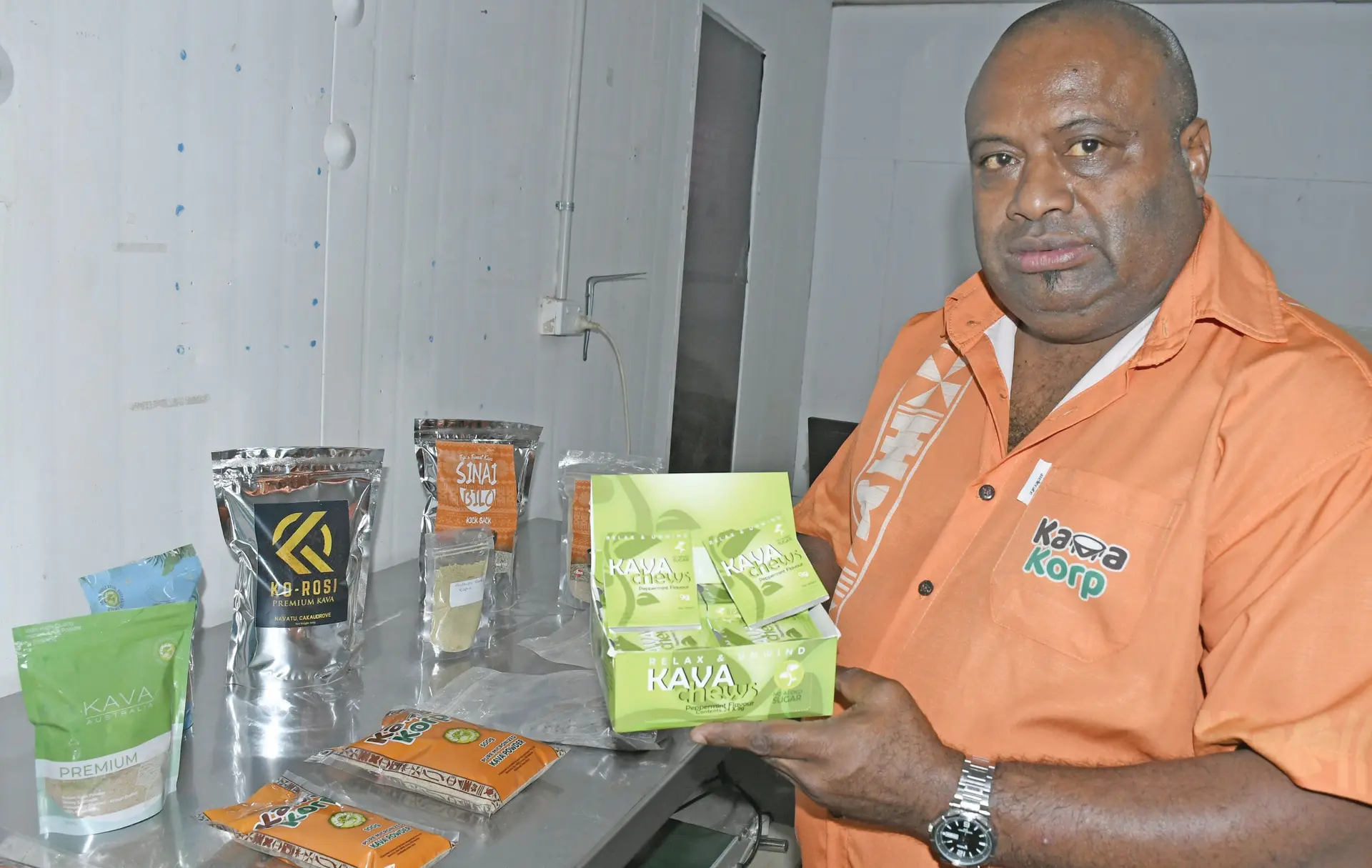
Petero Vatu says the new pathway for kava from the Solomon Islands is a positive regional development.
Photo: Ronald Kumar
Kava Korporesen has always been at the forefront of regional kava industry development. In 2005, it was the first company to import Papua New Guinea kava into Fiji, a bold move that opened the door for greater regional collaboration and supply diversification.
Twenty years later, the Kava Korp is among the firstto bring in kava from the Solomon Islands. The milestone aligns with the company's long-term vision to build the Kava Korp Fiji industry into a worldclass operation, said Petero Vatu, the company's first chief executive officer.
Kava Korp is the leading processor and exporter of Pacific Island kava to the global market, he said.
Related stories
How long has Fiji's kava supply market been on the decline? Fiji's kava supply began showing signs of strain following Tropical Cyclone Winston in 2016.
That event devastated many of our traditional growing regions, and since then, the sector has faced slow recovery, inconsistent replanting, and increasing domestic consumption that limits export availability.
While the demand for Fijian kava has continued to grow -especially from overseas -the supply side has been under pressure for close to a decade now. What are your forecasts for the future of Fiji's kava market? The global kava industry is expanding rapidly, and Fiji remains a recognised premium origin.
However, competition from our Pacific neighbours is increasing. Fiji will stay at the centre of the regional kava trade, but we must move from being just a raw exporter to a value-added producer.
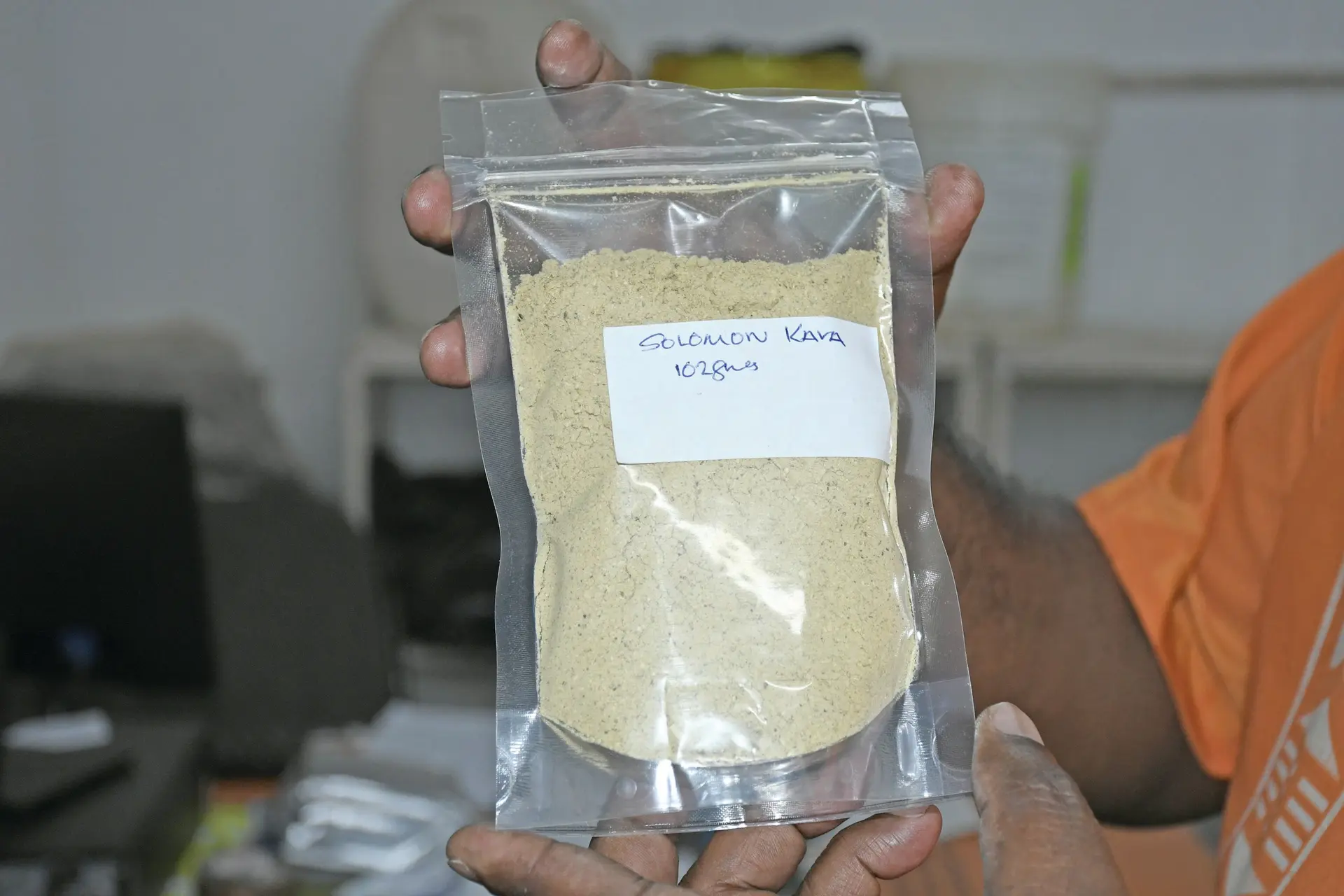
With proper investment in quality control, research, and downstream processing, Fiji can secure longterm stability and retain its premium status in international markets. What does the import from the Solomon Islands mean for Fiji? The new pathway for kava from the Solomon Islands is a positive regional development.
It reflects greater Pacific co-operation and will help stabilise supply for Fiji's processors and exporters. At the same time, it sends a clear message that Fiji must strengthen its competitiveness, by improving farm productivity, qual-ity standards, and market readiness.
We can't rely solely on historical reputation; we must match it with modern standards. Should Fiji open up to other yaqona-supplying countries? lfso, which? Yes, but with a strategic and controlled approach.
Opening the market to other Pacific suppliers like Vanuatu, Tonga, and Samoa can strengthen regional trade ties and ensure supply security during times of shortage.
However, any imports must meet strict biosecurity and quality assurance standards to protect our local farmers and maintain consumer trust in Fijian kava products. What are your recommendations for building back Fiji's kava industry? To rebuild and strengthen our kava sector, we need a co-ordinated national effort.
Key steps include:
- replanting and farmer support through the provision of nurseries, training, and finance to increase production. • quality and traceability systems by standardise testing and certification for export grade kava.
- value-added processing such as invest in drying, milling, and formulation facilities locally.
- export market development that target higher-value segments like functional beverages, nutraceuticals, and wellness products, and,
- research and collaboration through partnership with institutions like University of the South Pacific, and regional agencies, to improve plant varieties and production methods.
How will the Solomon Islands trade impact Kava Korp? For Kava Korp, the opening of the Solomon Islands pathway broadens our regional sourcing network.
It allows us to complement Fijian supply when needed, especially during periods of shortage, while maintaining our processing and export operations here in Fiji.
Our focus remains on Fiji-grown kava as the core of our brand, but regional sourcing will help us meet growing demand and keep the industry sustainable.
Ultimately, this development is not a threat; it's an opportunity to strengthen Fiji's role as the processing hub for Pacific kava destined for global markets.