Charges withdrawn against two in $3bn Vatia cocaine case
Travis Cheer and Sunia Vakaloloma were discharged after the State withdrew charges; another accused was denied bail.
Wednesday 06 May 2026 | 12:00
Updated 06 May 2026 | 15:56 FJT

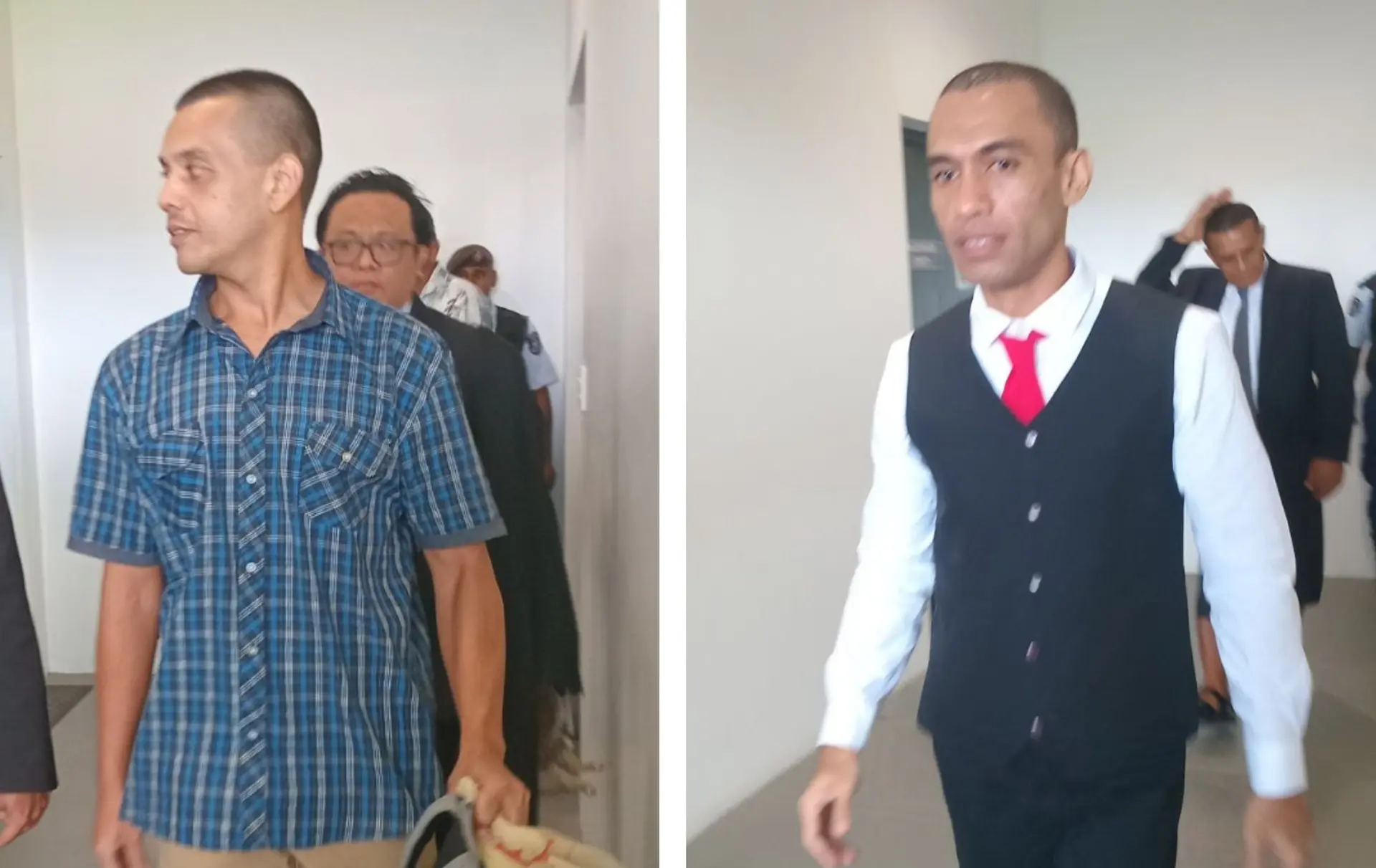
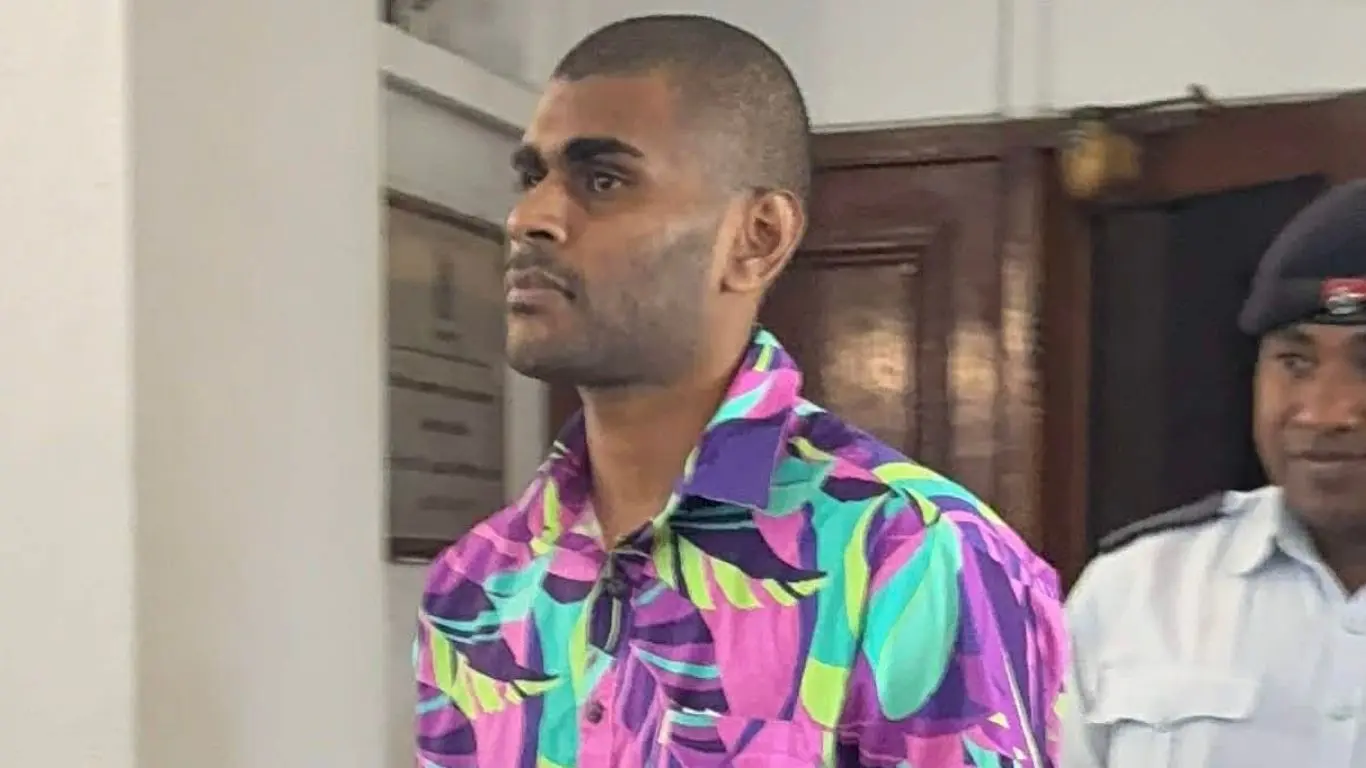
Travis Cheer and Sunia Vakaloloma were discharged after being granted immunity by the State prosecution.
Photos: Waisea Nasokia
Two accused in Fiji’s major Vatia cocaine case have been granted nolle prosequi, while another accused was denied bail in separate proceedings.
The case involves the alleged seizure of more than 2.6 tonnes of cocaine.
Travis Cheer and Sunia Vakaloloma were discharged after being granted immunity by the State prosecution.
Related stories
They appeared before High Court judge Justice Samuela Qica in the High Court in Ba today.
They were among 16 people charged in connection with the seizure of more than $3 billion worth of cocaine in Vatia, Tavua.
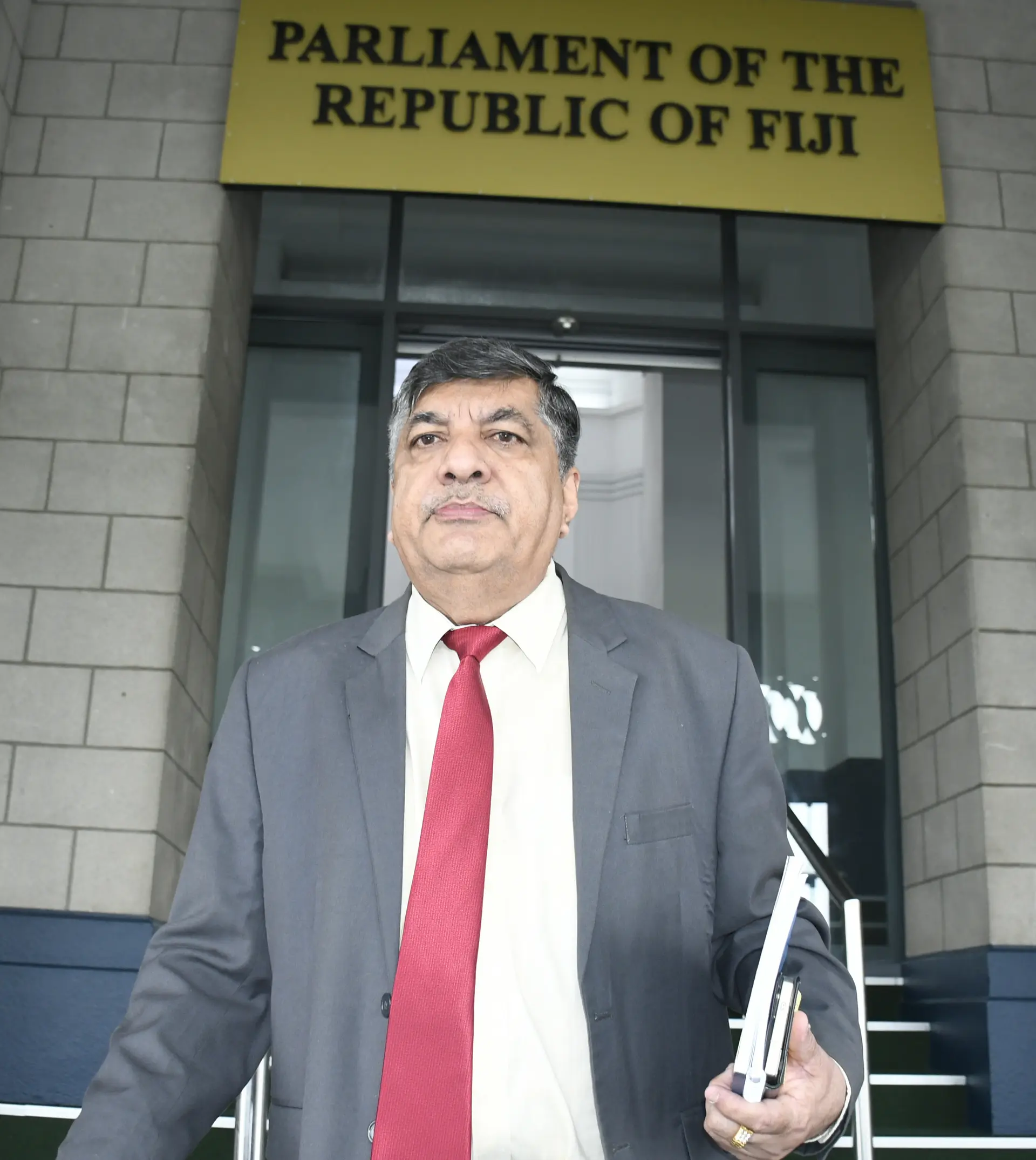
State prosecutor Joeli Naivalu applied for a nolle prosequi for the two accused, which was granted by the court. The State has 14 days to file the written nolle.
The State will submit immunity statements and amended information once all witness statements, including those of Vakaloloma, are received and verified.
It will file disclosures and information for the related matter by the next court date in June.
Vakaloloma’s nolle prosequi remains pending as he is yet to provide a statement to the State.
The matter will be called on June 13 to check disclosures, immunity statements and amended information.
Meanwhile, Bainivalu Sauturaga, also involved in the Vatia drugs case, was denied bail.
The hearing focused on his bail application in a case involving charges of unlawful importation and possession of illicit drugs, immigration violations, and serious assault.
The court considered the seriousness of the charges, including the alleged importation of 2.6 tonnes of cocaine, and submissions from both the defence and the State.
The defence cited constitutional rights, medical needs, and willingness to comply with bail conditions.
The State argued there was a risk of witness interference, public interest concerns, and the gravity of the alleged offences.
Bail was denied, with the court citing strong evidence, risk of reoffending, and the need to protect public confidence and safety.