Legal clarity on ‘State of Emergency’
Electoral Act details how voting can be paused or adjourned
Thursday 30 April 2026 | 09:00
Updated 30 April 2026 | 12:31 FJT


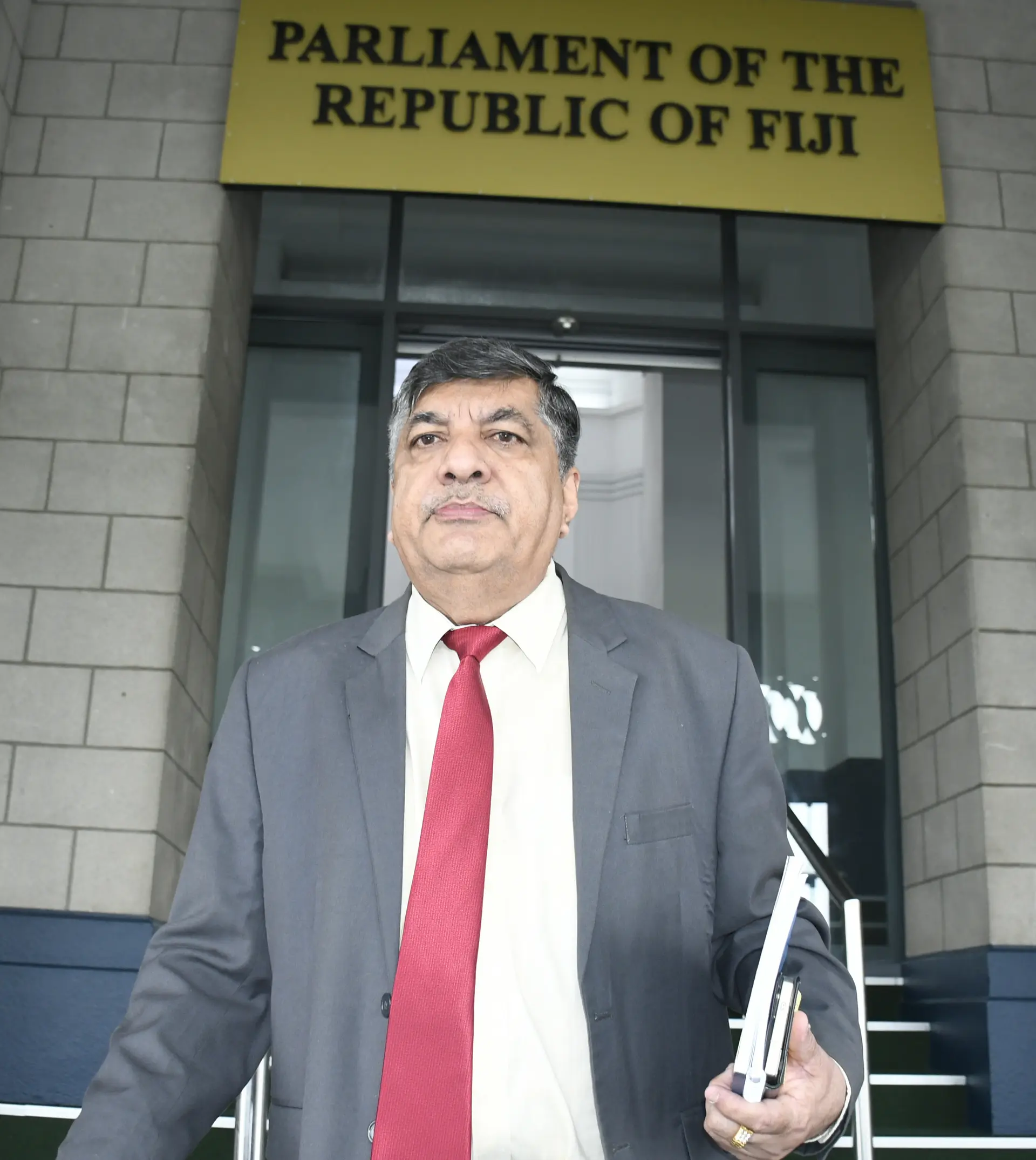
Acting Attorney-General and Minister of Justice Siromi Turaga.
Photo: Attorney-General's Office
Concerns have been raised about whether a State of Emergency could delay the 2026 General Election, but the Electoral Act 2014 sets out clear provisions on what happens if polling is disrupted.
Acting Attorney-General and Minister for Justice Siromi Turaga last year assured that the Government would not delay the 2026 General Election.
Under Section 47 of the Act, disruptions caused by “force majeure” — including natural disasters, riots, open violence, structural damage to polling stations, power outages, or insufficient resources — can legally halt voting at one or more polling stations on election day.
Related stories
The Act allows the Electoral Commission, on the advice of the Supervisor of Elections, to adjourn an election if the number of affected polling stations is high enough to warrant it.
If that happens, a new election date must be publicly announced through the Gazette, national daily newspapers, radio, and free-to-air television.
The earliest possible election date is August 7, 2026, and the latest is February 6, 2027.
Feedback: kaneta.naimatau@fijisun.com.fj