FTU calls for urgent investment in teachers
Fiji Teachers Union called on the Government to invest in teachers now and reap a harvest of prosperity in a lifetime.
Wednesday 06 May 2026 | 17:00


The Fiji Teachers Union has called on Government to invest in teachers now, warning that failure to act is fuelling an exodus that threatens the country’s education system.
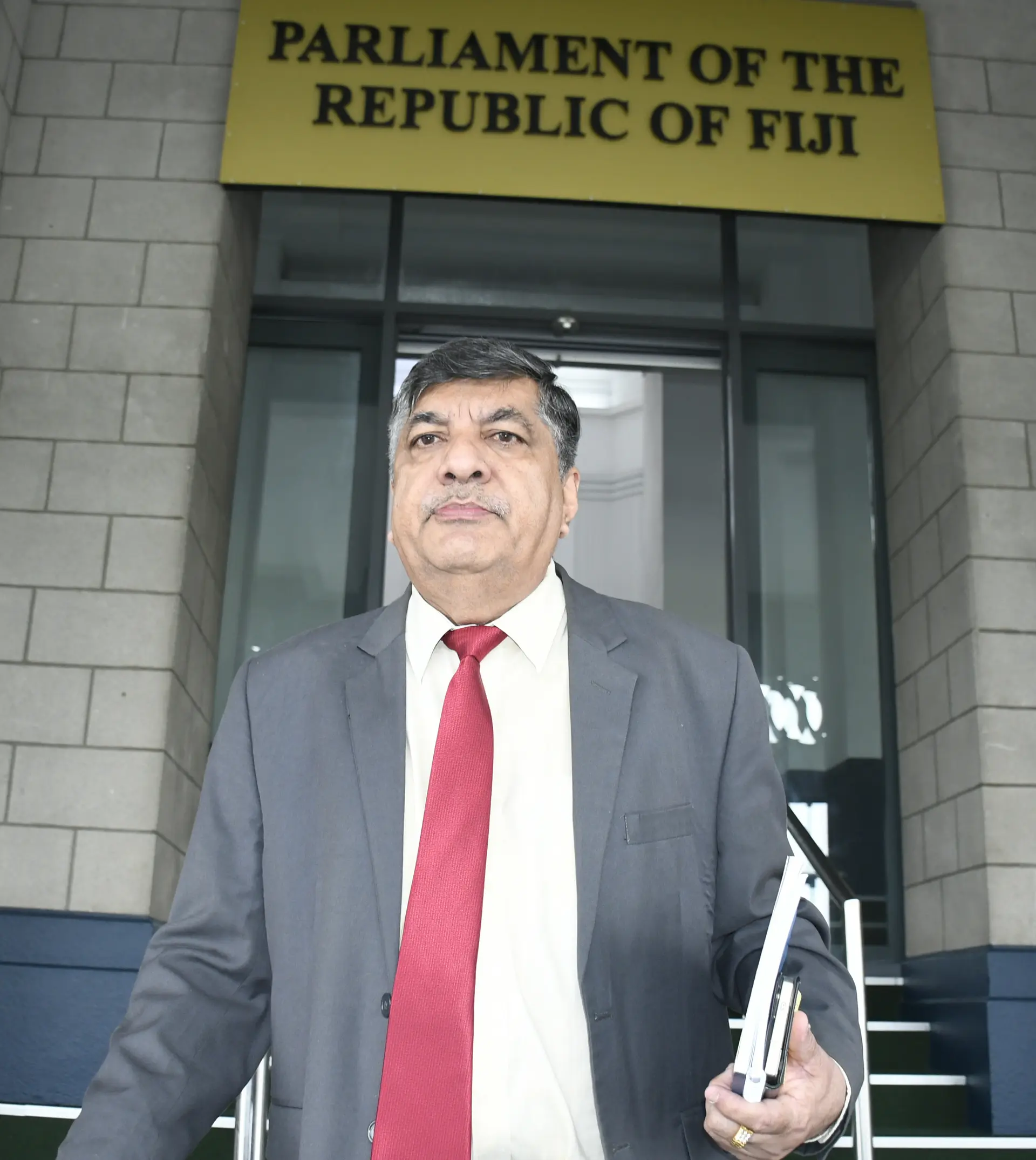
Speaking at the union’s 96th annual conference at Xavier College Hall in Ba on Tuesday night, FTU president Sashi Mahendra Shandil said urgent action was needed to retain teachers and strengthen the sector.
Fiji Teachers Union called on the Government to invest in teachers now and reap a harvest of prosperity in a lifetime.
Related stories
“We face a teacher exodus that threatens the very fabric of our education system,” Mr Shandil said.
“This is not just a labour problem. It is a national crisis. When other countries offer better pay, clearer career paths, and safer working conditions, our teachers leave — and with them go experience, mentorship capacity, and institutional memory.”
He said the issue went beyond employment and affected national control over Fiji’s education future.
Mr Shandil said teachers played multiple roles in society.
“This is a budgetary truth and our moral claim,” he said.
“You do not merely transmit knowledge; you nurture dignity, hope, citizenship, and resilience. For that, you deserve not just thanks but tangible respect- fair pay, decent working conditions, transparent promotion, and policies that keep our best teachers here rather than seeing them leave in search of survival and dignity abroad.”
He said experienced teachers were also leaving the profession due to workload pressures and stagnant salaries.
“Experienced teachers, fatigued by increasing workloads and stagnant salaries, were retiring early or leaving the profession.”
Improving work conditions
Mr Shandil said improving working conditions was critical, noting that a teacher’s effectiveness depended on the environment in which students learn.
“Overcrowded classrooms, dilapidated buildings, lack of basic resources, poor sanitation and inadequate transport in rural areas degrade learning and demoralise staff,” he said.
He said teachers must be supported through better systems and facilities.
“Class sizes must be manageable. Schools must have libraries, laboratories and technology where feasible, as well as functioning water and sanitation systems.
“Support staff — counsellors, teacher aides and maintenance personnel — are not luxuries; they are essential to quality education.”
Teacher pay
Mr Shandil said salaries remained a key concern.
“When teachers struggle to pay mortgages, when they take second jobs to feed their families, and when bright new graduates look abroad for wages that respect their worth, alarm bells should ring,” he said.
“Salaries are not merely numbers on a payslip; they are a public acknowledgement of value.
“We call for a multi-year, realistic plan to restore teacher incomes, aligned with the cost of living and comparable to similar professions locally and regionally.
“Incrementalism without ambition will not suffice. We need a credible roadmap that guarantees progress and protects teaching as a viable, respected career.”
He said career progression must also improve.
“Continuous learning opportunities, that are well-funded, accessible, and tied to career advancement, will keep teachers engaged and growing. We reject tokenistic training that is neither practical nor resourced,” said Mr Shandil.
Mr Shandil said teacher wellbeing and safety required greater attention.
“We insist on robust well-being programs: counseling services, proactive anti-violence policies, clear mechanisms for reporting and addressing harassment, and health provisions that protect educators and their families,” he said.
He also questioned national budget priorities.
“When a government prioritises short-term gains over long-term human capital, it gambles with the nation’s future,” he said.
“Budget choices are moral choices. We urge transparent budgeting that places education — specifically teacher pay and school infrastructure — at the centre of national development strategy. We will hold governments accountable for those choices.”
Systematic issues
Mr Shandil said longstanding systemic issues continued to affect teachers.
“The message sent to teachers — through policy, pay, and systems that reward paperwork and bureaucracy rather than merit and commitment — is that teaching is not valued,” he said.
“When a society does not value its teachers, it devalues its future.”
He said solutions must focus on retaining teachers in Fiji.
“We must implement retention strategies: targeted incentives for rural and high-need placements, housing support, scholarships with retention bonds for publicly funded teacher education, and accelerated promotion tracks for those committing to serve in Fiji,” he said.