Law promises right to education, reality falls short
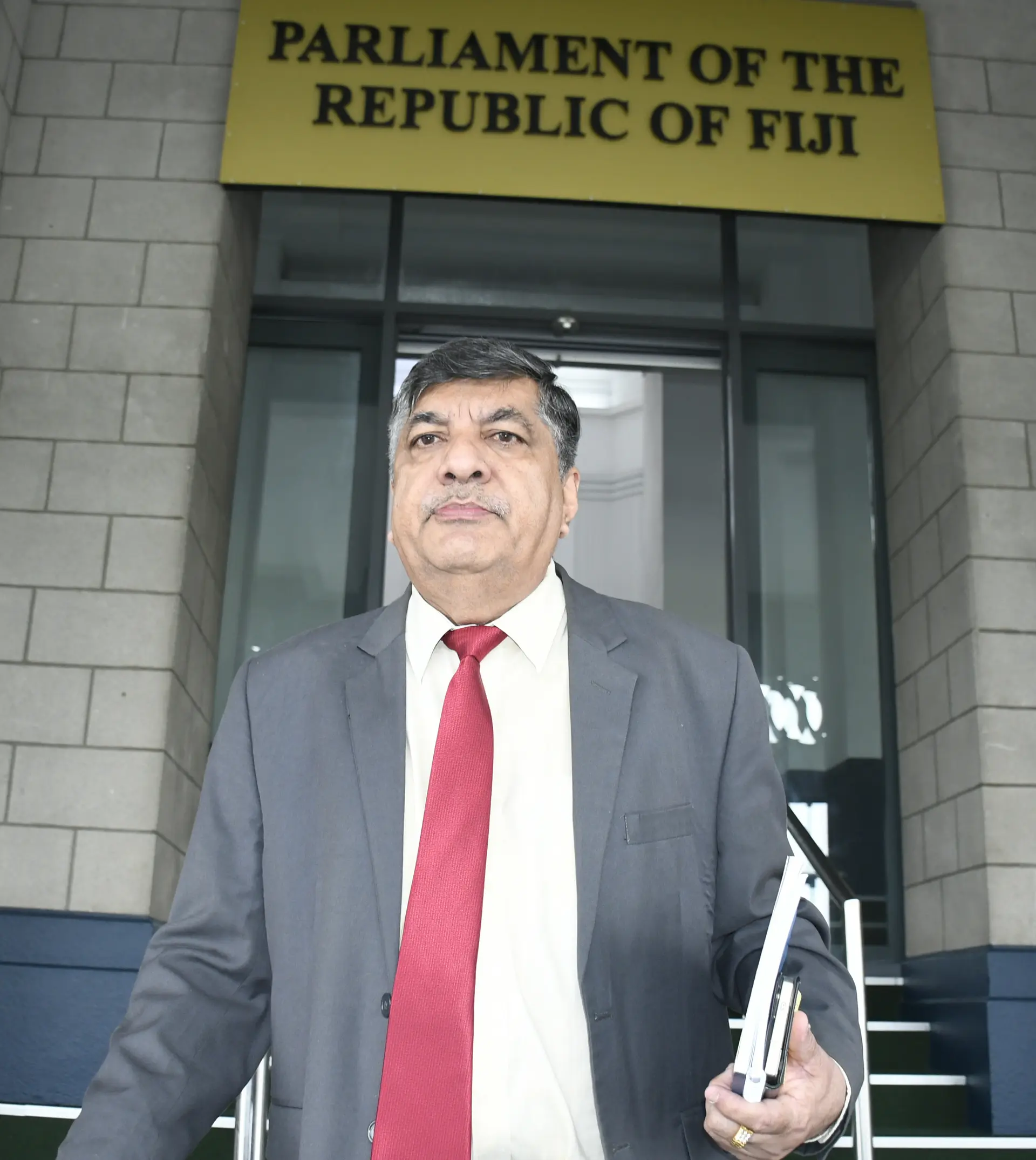
Permanent Secretary for Education Naveen Raj said the right to education exists in law but falls short in practice.
Wednesday 15 April 2026 | 07:00

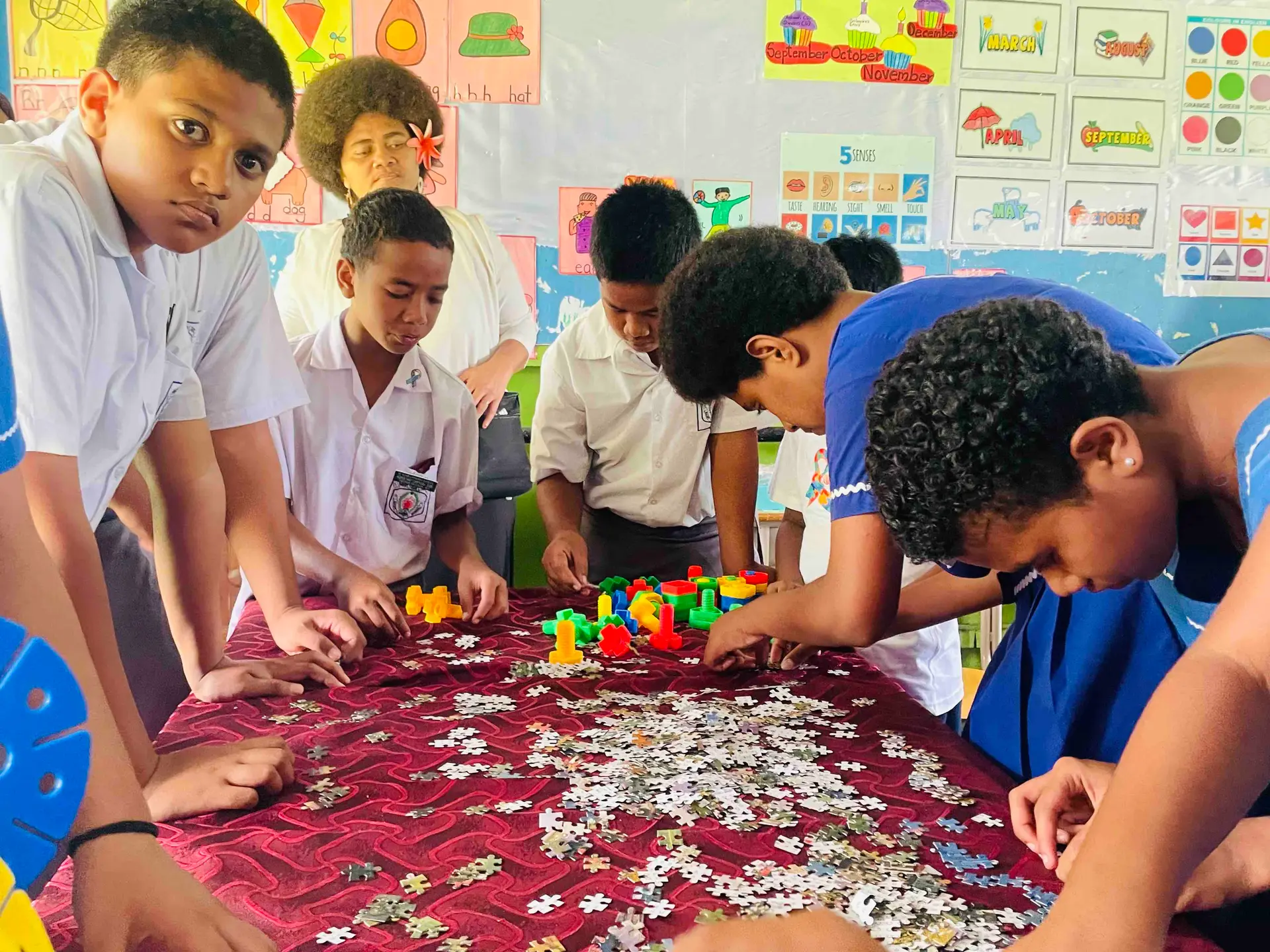
Gaps were evident across the country, with the majority of Fiji’s nearly 900 schools located in rural and maritime regions where access is often unreliable.
Photo: Supplied
Thousands of children in rural and maritime communities are being left behind because Fiji’s Constitution does not reflect the realities of accessing education, Ministry of Education officials have warned.
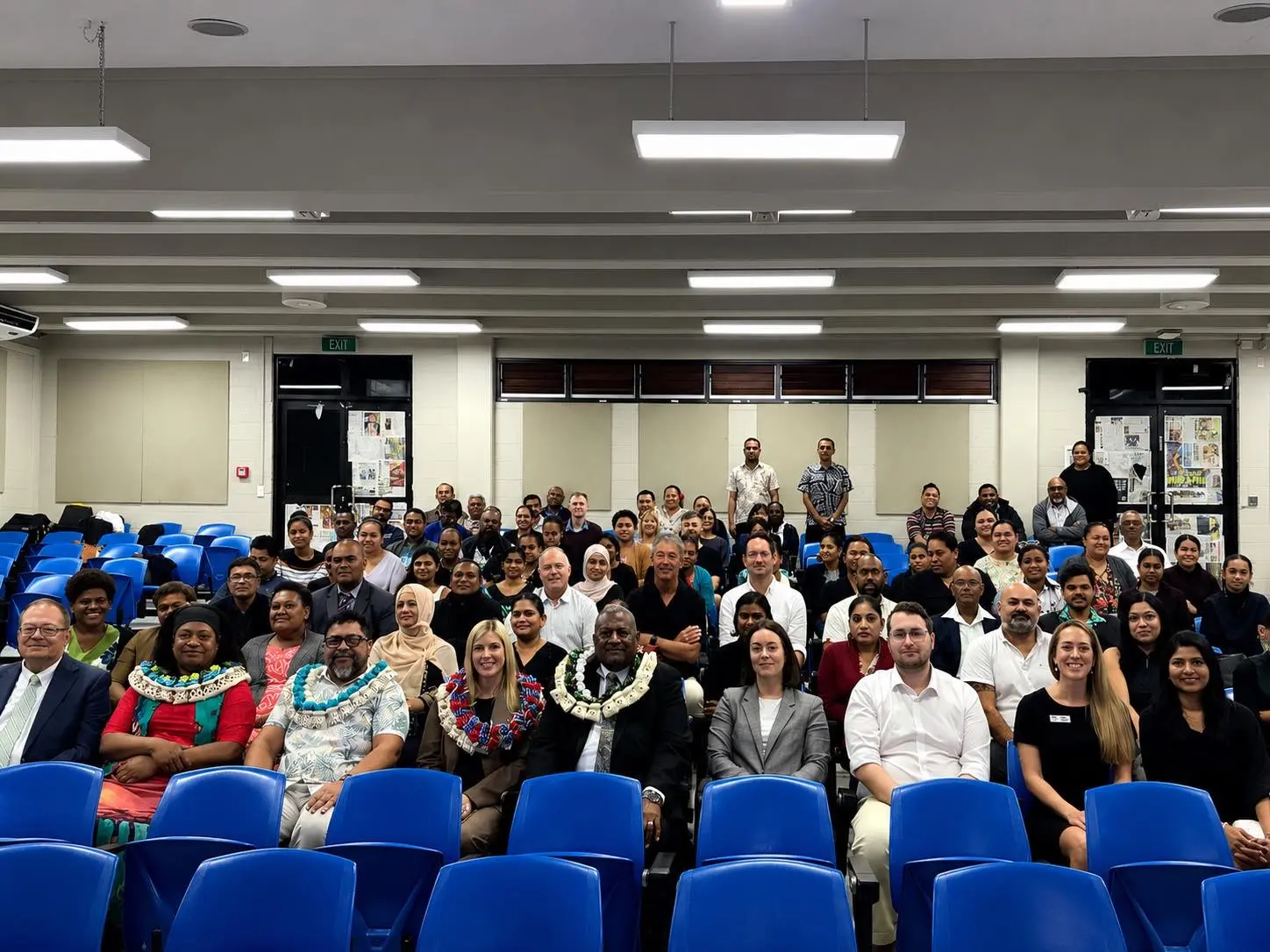
Speaking during the Constitution Review Commission consultations yesterday, Permanent Secretary for Education Naveen Raj said the right to education exists in law but falls short in practice.
“There is no clear provision for home schooling, digital access, or inclusive education,” Mr Raj said.
Related stories
“Yet these are critical for a country like Fiji, where most schools are in hard-to-reach areas.”
He said the gaps were evident across the country, with the majority of Fiji’s nearly 900 schools located in rural and maritime regions where access is often unreliable.
Mr Raj said the Constitution must evolve to address these structural challenges, particularly as digital learning and alternative education models become more important.
“How do we ensure every child and every teacher is supported, regardless of where they are?” he said.
Officials say the current framework relies too heavily on policy workarounds rather than embedding solutions in law, leaving vulnerable students at a disadvantage.